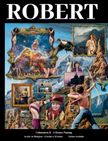
Victor Grasso’s imaginative paintings often sit in a gray area. The imagery can shock or delight and make the viewer ask endless questions. That exploration takes them beyond the first visual impression and allows them to think about how the elements combine to tell wondrous narratives. Leaning toward the imaginative realm in his artwork, Grasso says he paints scenes that are “improbable but not impossible” with the realistic style being the entry point.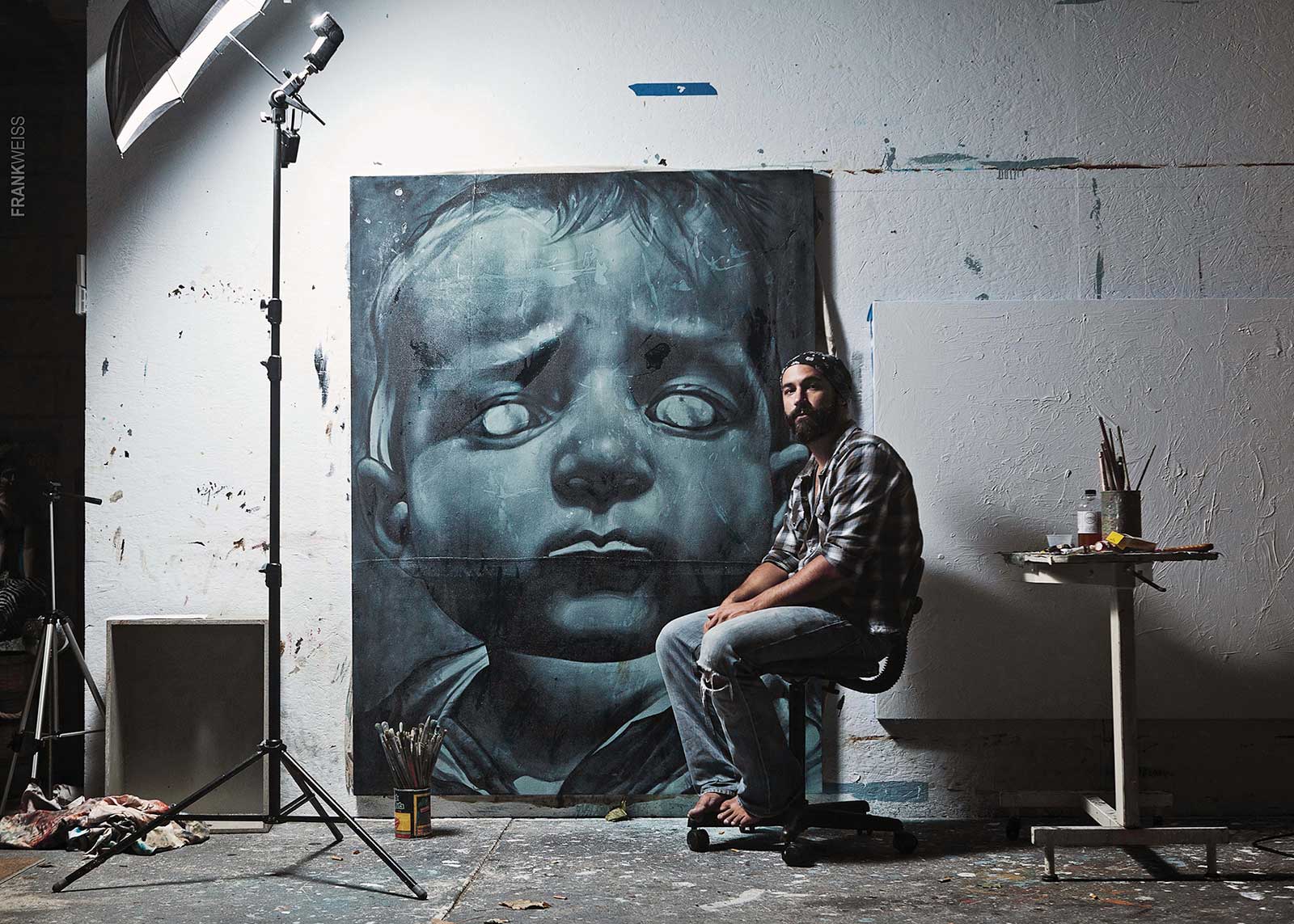 Victor Grasso in his New Jersey studio.
Grasso grew up in a New Jersey beach town, so his love for the ocean developed at an early age and it has often inspired his artwork. This includes his newest series of paintings, titled Oceanography, which was recently on view at SOMA Gallery in Cape May, New Jersey, where the artist lives. The show, featuring eight paintings and a number of studies, was designed all at once from ideas in his sketchbook.
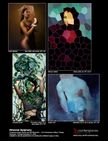
“I knew that I wanted to go back to the really heavy focus on sea life, and so I picked some things relative to the area and some stuff that was just big, bold and fun to paint,” he says. “I was really trying to combine natural history with societal portraiture.”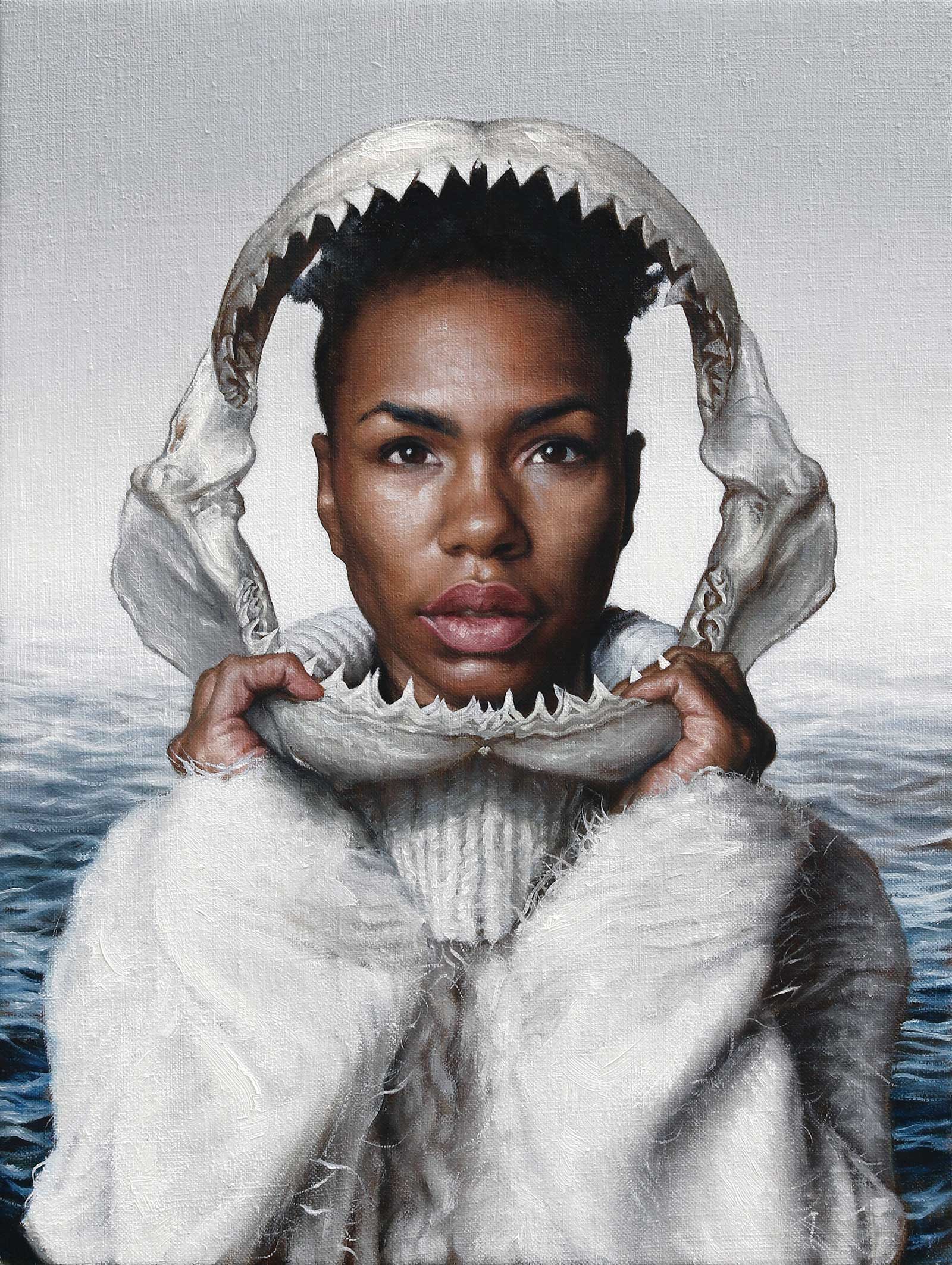 C. carcharias: Death From Above, oil on linen, 16 x 12"
All of the artwork is titled with scientific or species names, heightening the overall narrative of the series. Grasso explains, “I definitely wanted to take it more into the science realm and give the Animalia names…
I really wanted to have the series be almost as if you’re looking through a natural history book to see what the creatures are. [Have it seem like] something from the 1700s or from a cabinet of curiosities in the Victorian era where they studied sea life by keeping them in jars of formaldehyde.”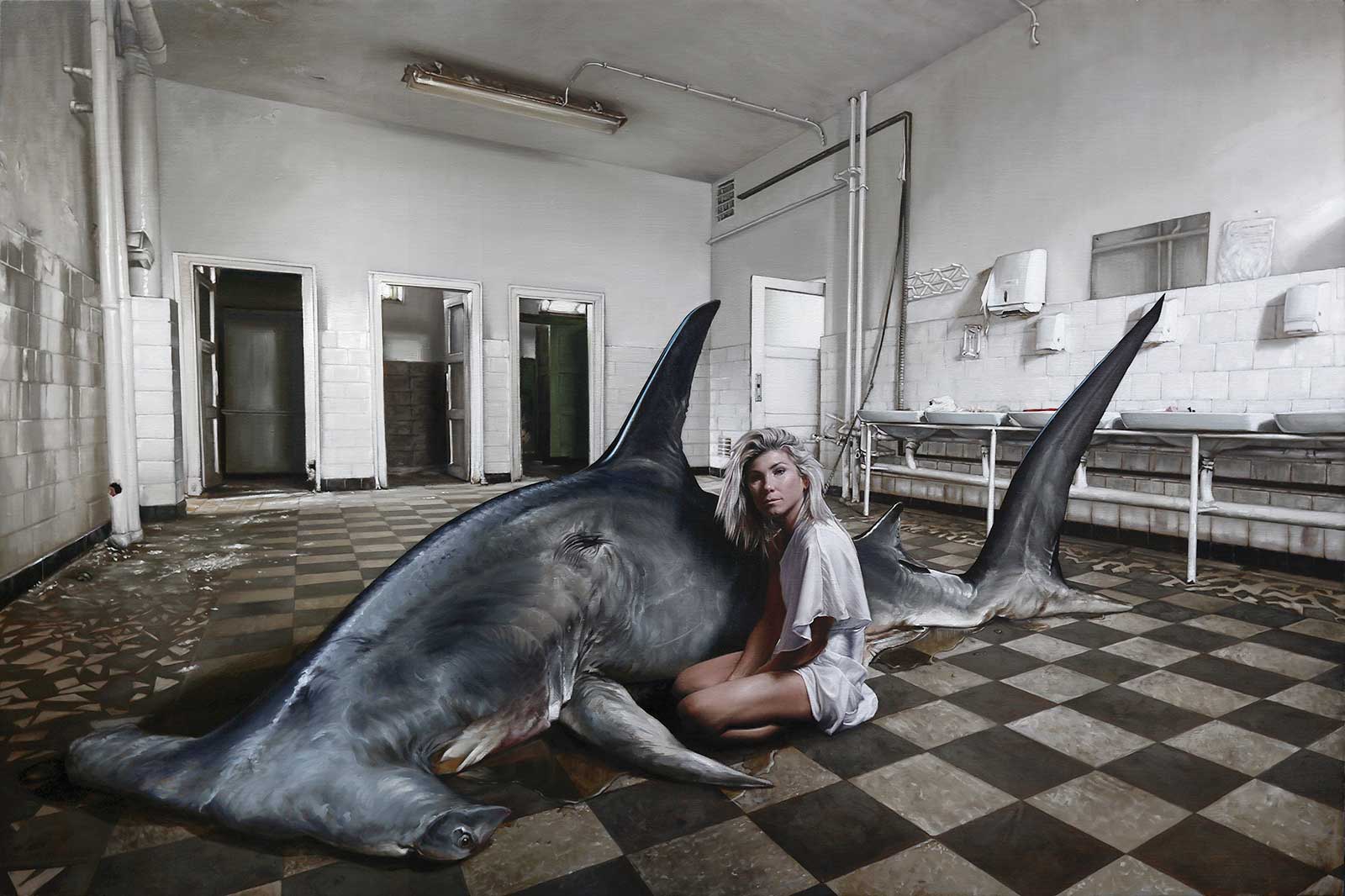 Sphyrnidae, oil on linen, 40 x 60"
The centerpiece of the series is the 40-by-60-inch painting Sphyrnidae, which depicts a hammerhead shark in the middle of a room with a woman kneeling beside the animal. The idea for the work was conceived in 2008, but was the last one Grasso painted for the exhibition. “It was totally different when I originally designed it. She was standing over the hammerhead shark in a bathrobe and had a diver helmet on almost as if she had wrestled the beast and was victorious over it,” he explains. “As time went on and I matured it changed. It became more of a loneliness or abandon. It was caring for the shark. There’s this idea of come in with me and witness this creature, but there’s also a deep sadness there that’s almost as if to say stay away.”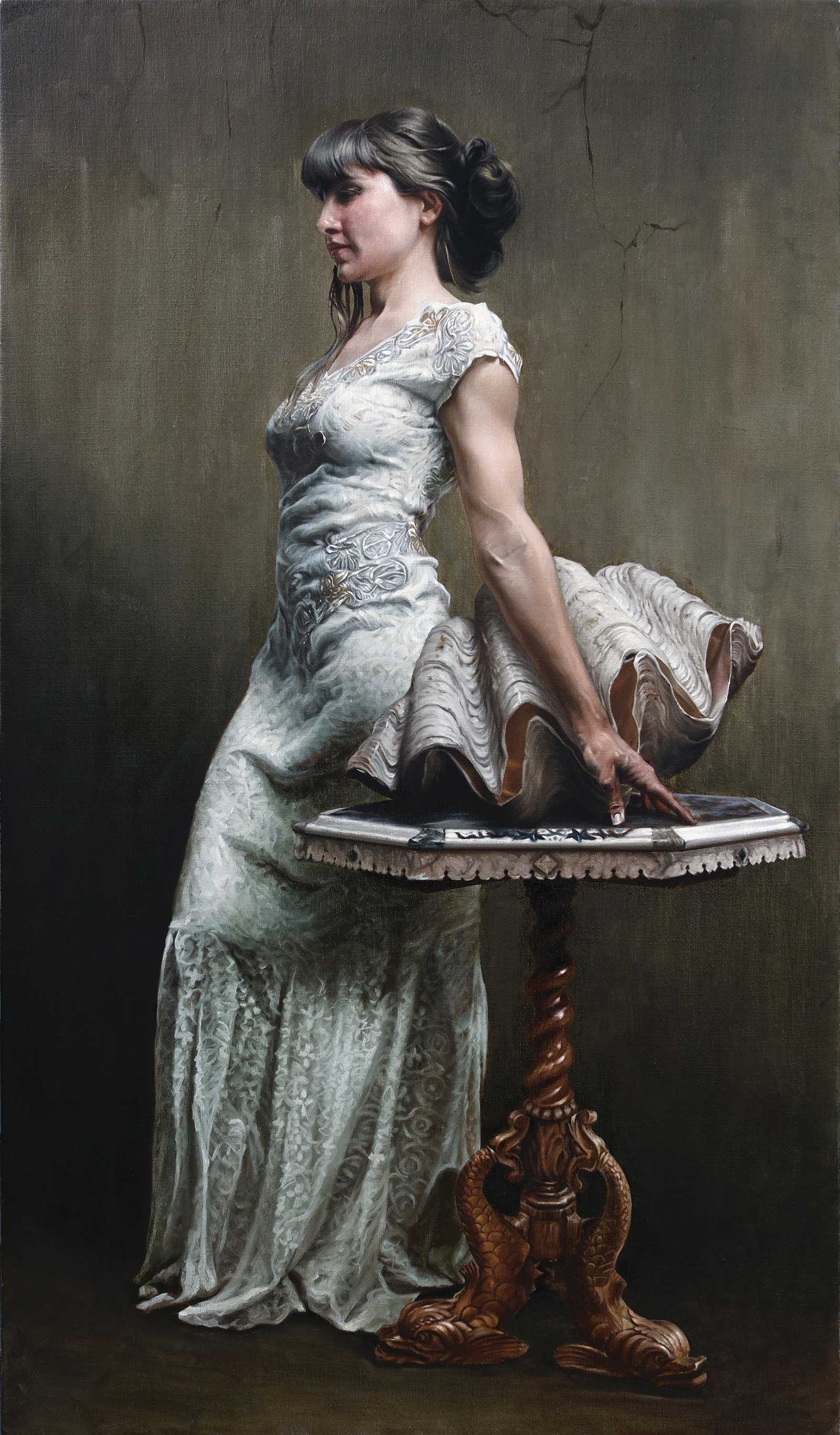 T. gigas, oil on linen, 38 x 22"
The timeless quality to Grasso’s artwork seems heavily rooted in classical techniques. However, instead of a formal art education, the self-taught artist has used his adept eye to hone his own style over the years. The paintings can recall past artists, such as Caravaggio and those of the Baroque era, but they are rooted in Grasso’s imagination and vision.
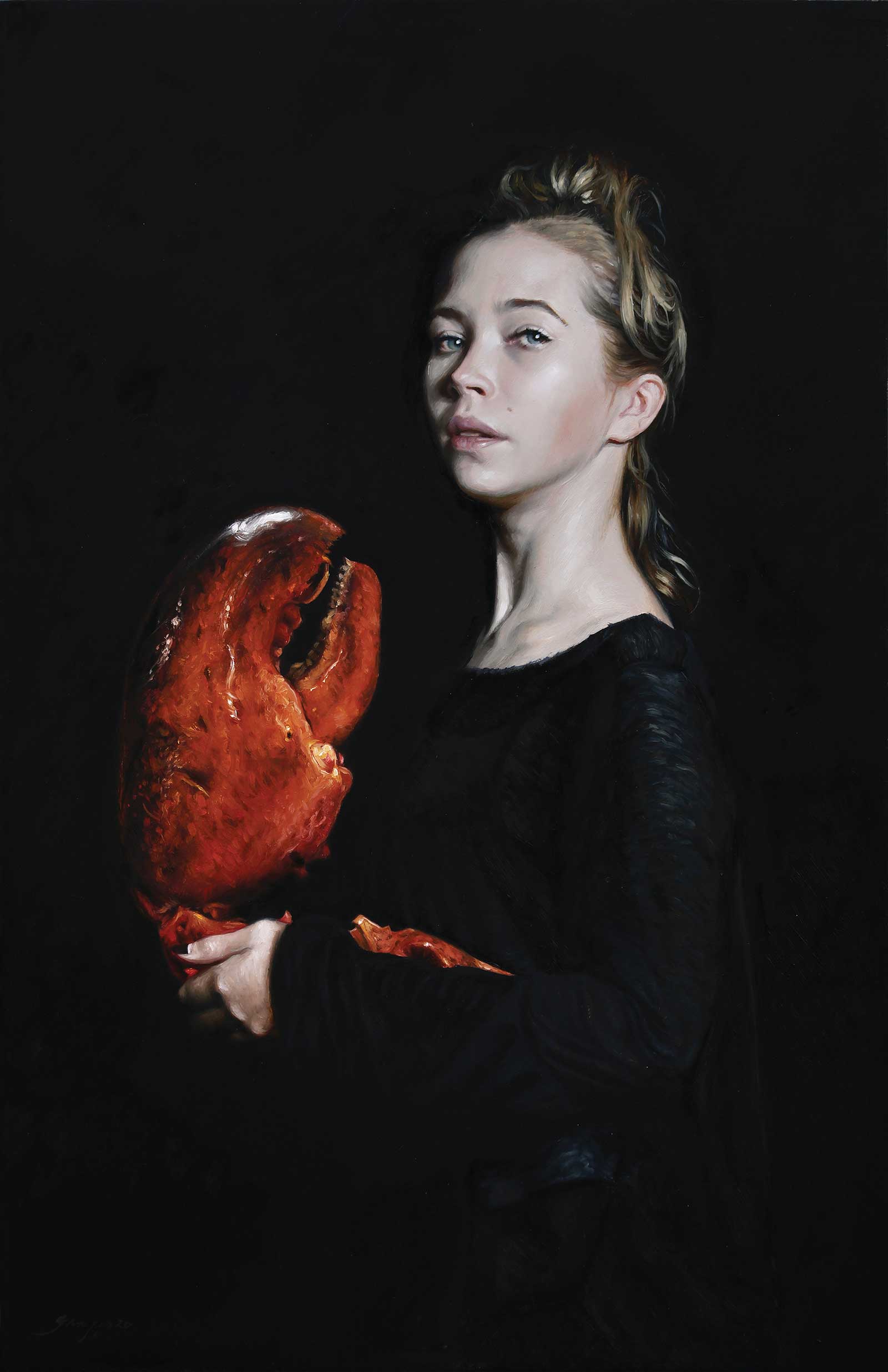
Take H. Americanus, for instance, which shows a woman cradling a massive lobster claw. “I just imagined one of those portraits you’d see in a college, but also I thought about Harry Potter with the paintings that came alive. If it were in some kind of grand university in London, it would be a well-known librarian carrying a stack of books. Instead, this woman is holding a lobster claw,” says Grasso. “How amazing would it have been if some naturalist found this huge lobster and brought it to the school to study? With this pose, the viewer is studying both the woman and the lobster at the same time.”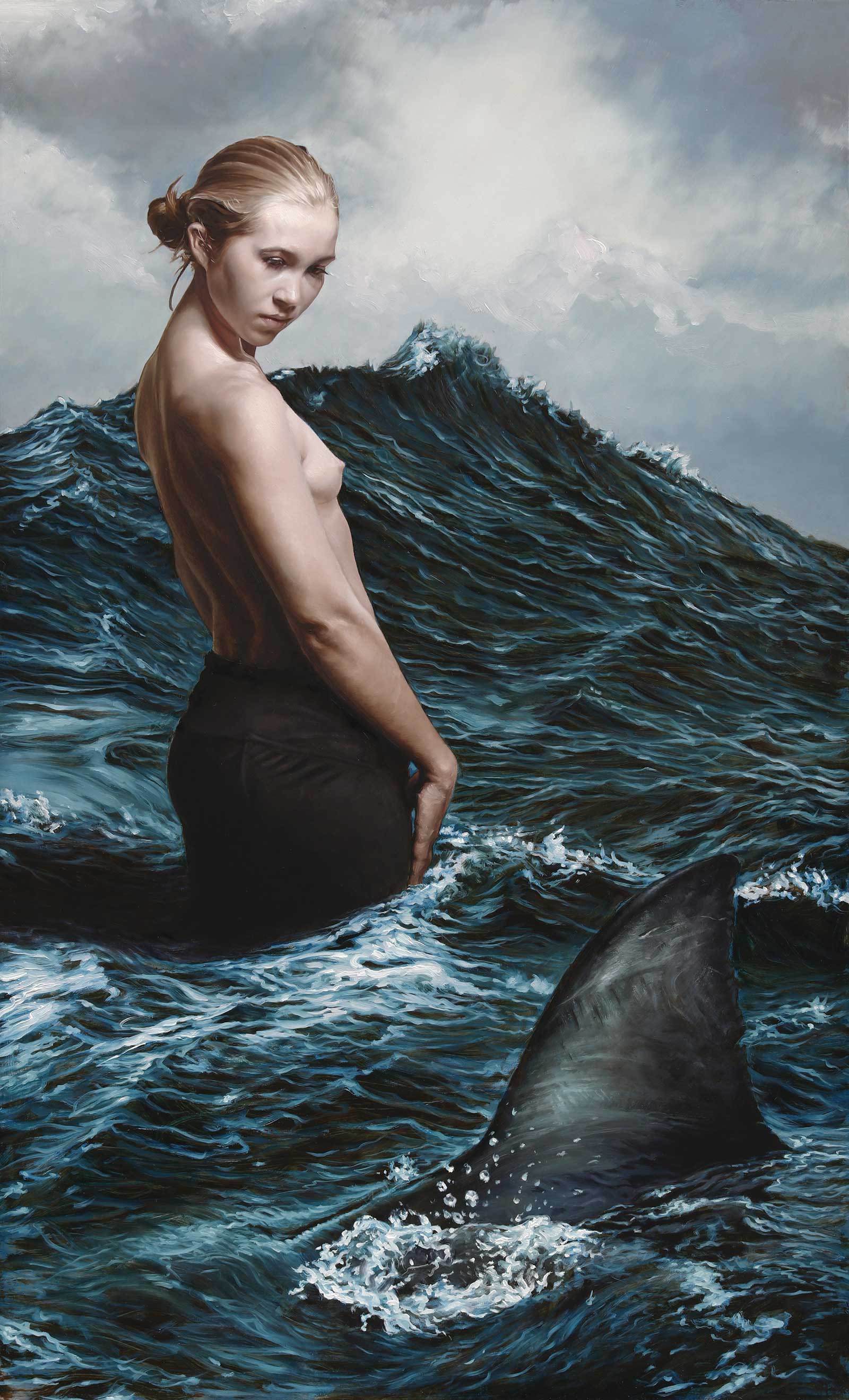 C. carcharias: Death From Below, oil on board, 28 x 17"
Then, there is his work T. gigas, featuring a woman in a white formal dress with a giant clam prominently displayed on a table next to her. “That’s my Madame X,” Grasso shares. “I don’t want to paint like Sargent…but it’s inspired by Madame X. I just really wanted a work that is the epitome of societal portraiture style to be in the show. The giant clam is such a unique thing, and I didn’t want to have it on her head or have it wrapped around her. I thought it would be cool on a table in a house, and they probably really are somewhere on display…The old-fashioned table has naval dolphin-style legs. My grandfather was a woodcarver and he used to carve those dolphins, so that was a nod to him as well.”
 H. americanus, oil on board, 17 x 11"
Two paintings from the series are focused on the great white shark: C. carcharias: Death from Above and C. carcharias: Death from Below. The works are not a pair, but there is a natural yin and yang to the works where one has the shark alive and the other shows the shark’s jaws. “There’s a certain push and pull to those works,” says Grasso. “Great white sharks are a protected species, so for someone to be holding the jaws is very frowned upon. I’m not making any statement or anything, but it’s something—particularly for anyone who knows about sharks and fishing—that instantly sparks some kind of emotion or reaction. There’s nothing wrong with finding [the jaws] and in the sense of being an explorer and naturalist and holding them up to observe.”
He adds, “Again, there’s that gray area that I like to try to explore. It’s not always what you see at first.” —
Victor Grasso: Oceanography
victor@victorgrasso.com
www.victorgrasso.com
Powered by Froala Editor