Landscapes have captivated both artist and collector for centuries. They provide a window into not only the natural world as it truly is, but a way in which to experience an even deeper beauty—one that only artists can capture. There’s a reason we often hear the cliché phrase, “that looks just like a painting,” when viewing a scene in real life.
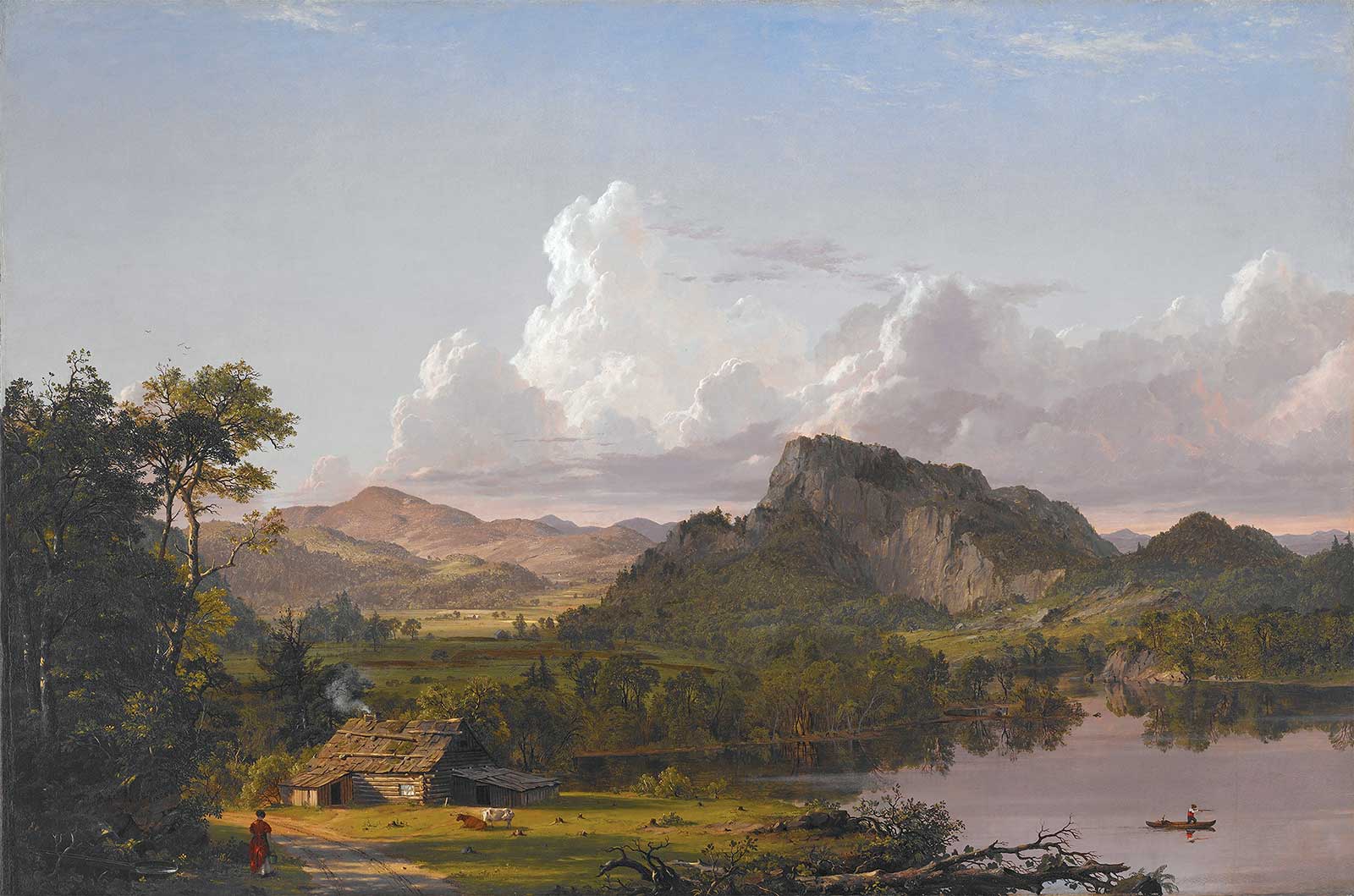 Frederic Edwin Church (1826-1900), Home by the Lake, 1852, oil on canvas. Public Domain.
The Hudson River School movement emerged in the mid-19th century, of which masters like Frederic Edwin Church, Albert Bierstadt, John Frederick Kensett and Asher B. Durand were known. “The Hudson River School was America’s first true artistic fraternity. Its name was coined to identify a group of New York City-based landscape painters that emerged about 1850 under the influence of the English émigré Thomas Cole and flourished until about the time of the Centennial,” notes the Metropolitan Museum of Art. Paintings in this school shared a common love for the American landscape—particularly the Hudson River Valley region for which the school is named, including the Catskill, Adirondack and White mountains—rooted in both realism and idealized naturalism. The Hudson River painters created works that felt dramatic and awe-inspiring, reflecting the British aesthetic theory of the “sublime,” the terror and awe of untouched wilderness.
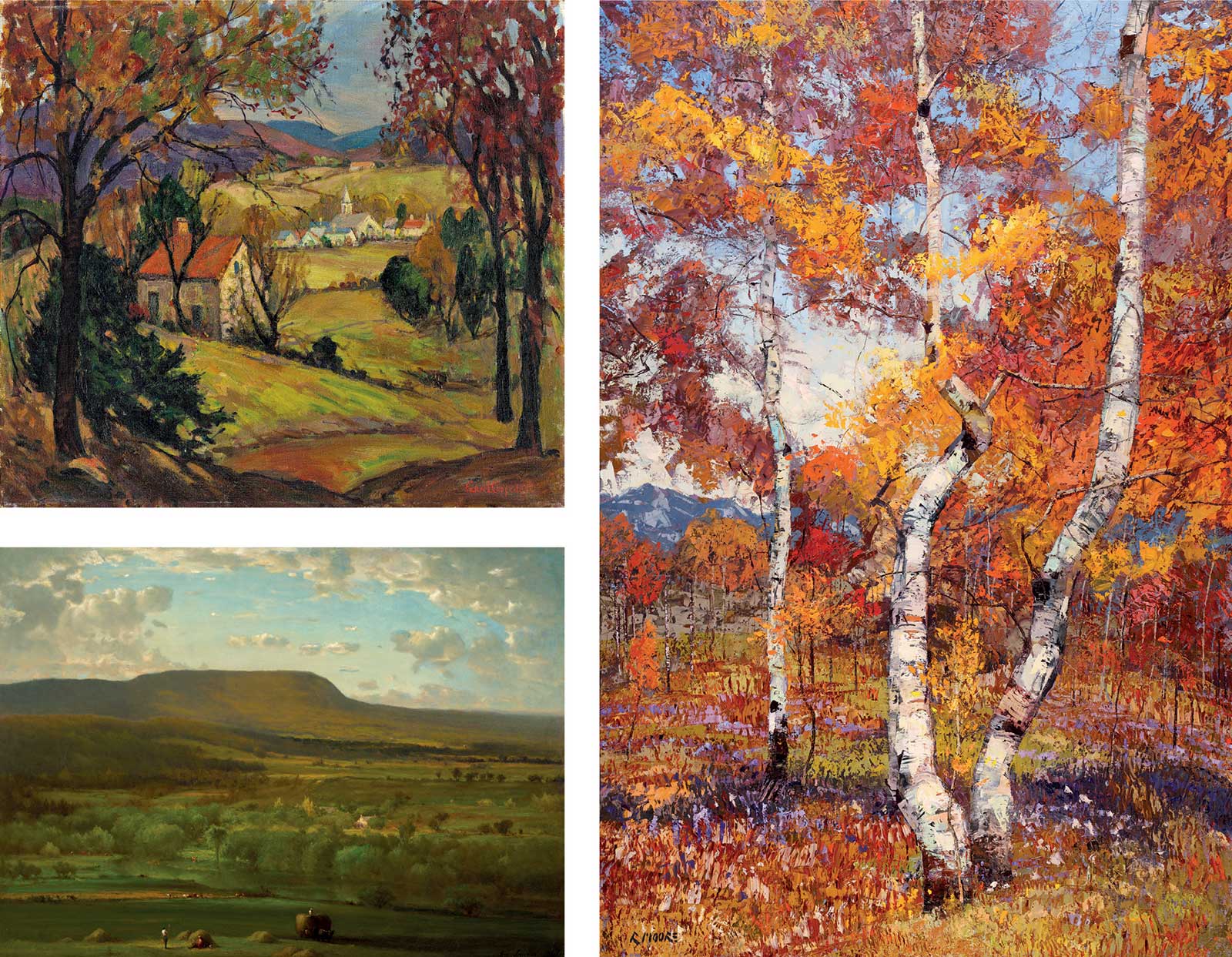
Clockwise from top left: Fern Isabel Coppedge (1883-1951), Buckingham Mountain in October, ca 1940s, oil on canvas, 18 x 20 in. Public Domain. Altamira Fine Art, Friends, oil on canvas, 60 x 40 in., by Robert Moore. George Inness (1825-1894), Leeds, New York, oil on canvas, 22¼ x 30 in. Public Domain.
Marked by a desaturated, more natural color palette, American tonalism largely developed in the 1880s as a particularly subjective and expressive style for its time. Subjects often involved abandoned farms or rustic pastoral scenes at dawn or dusk, littered with stone walls and old orchards. Artists like John La Farge, George Inness and James Abbott McNeill Whistler were important figures in the legacy of this movement.
Pennsylvania Impressionism grew out of eastern Pennsylvania in the mid 1900s with characteristics like thick, painterly brushwork, bold color and a definitive sense of realism, though painters of this movement are characterized less by a cohesive aesthetic style and more through a shared devotion to landscape painting. “Also known as the New Hope School, these artists were rooted in the tradition of American realism and influenced by the popularity of French Impressionism,” the Philadelphia Museum of Art notes. “Most of the Pennsylvania Impressionists met while attending the Pennsylvania Academy of the Fine Arts. Later, many moved to New Hope, north of Philadelphia in Bucks County, where they found the natural beauty of the Delaware River and its surrounding hills ideal subjects for a new, loose style of painting. These artists painted outdoors directly from nature, even during severe weather conditions.” Notable artists include Daniel Garber, Edward Redfield, Fern Isabel Coppedge, Rae Sloan Bredin and many more.
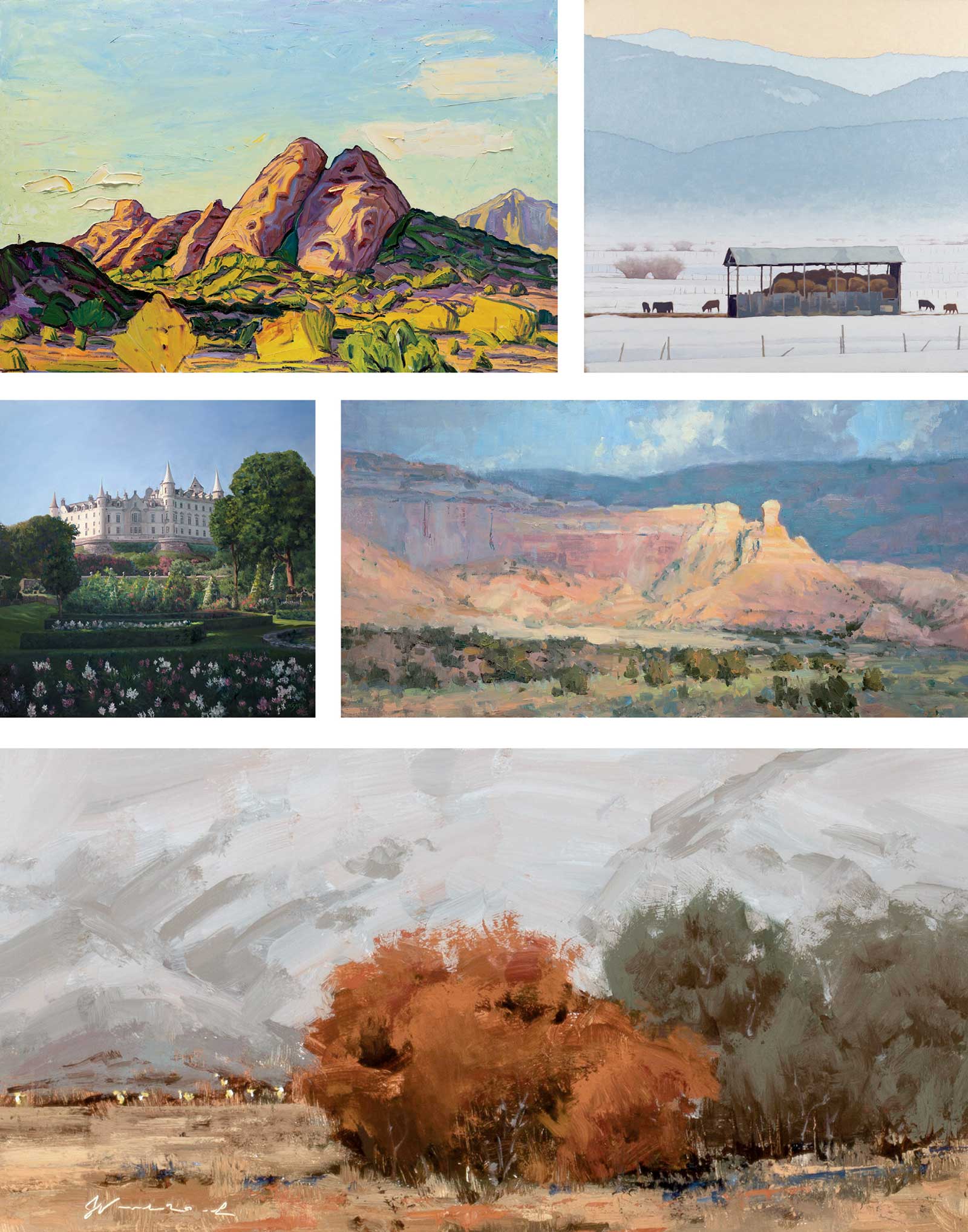
Top: Altamira Fine Art, Papago Buttes, oil on panel, 48 x 72 in., by Jivan Lee. Altamira Fine Art, Winter Storage, oil on canvas, 34 x 36 in., by Jared Sanders. Center: Nancy J. Balmert, Dunrobin Castle, oil on canvas, 36 x 36 in. American Impressionist Society, Heartbeat of Time, 2026, oil, 12 x 24 in., by Barbara Coleman. Bottom: American Impressionist Society, Just Before Winter, 2026, oil, 6 x 12 in., by Jane Anne G. Woodhead.
The history of American landscape art and the virtuosic artists who came before us continue to inspire today. Just like the earth itself builds, reshapes and reinvents itself over time, so does the art of landscape painting. Continue reading through this special section to learn about several artists and galleries representing the genre today.
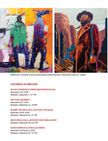
“Landscape painting has always carried a deep emotional pull because it asks us to consider not only what a place looks like, but how it feels to stand within it,” says Jason Williams, owner of Altamira Fine Art.Painters Robert Moore, Jivan Lee and Jared Sanders are each represented by the gallery, and each approach the American landscape through a distinctly personal lens. “Moore brings a sense of movement and vitality to the aspen grove, using color and texture to capture the full sensory experience of the season. Lee’s desert landscape feels bold and immediate, translating the sculptural drama of the Southwest into expressive, contemporary form. Sanders offers a quieter vision, finding beauty in restraint, atmosphere and the subtle poetry of a winter ranch scene,” says Williams. “Together, these artists speak to the extraordinary range of the American landscape—its intensity, stillness, resilience and emotional complexity.”
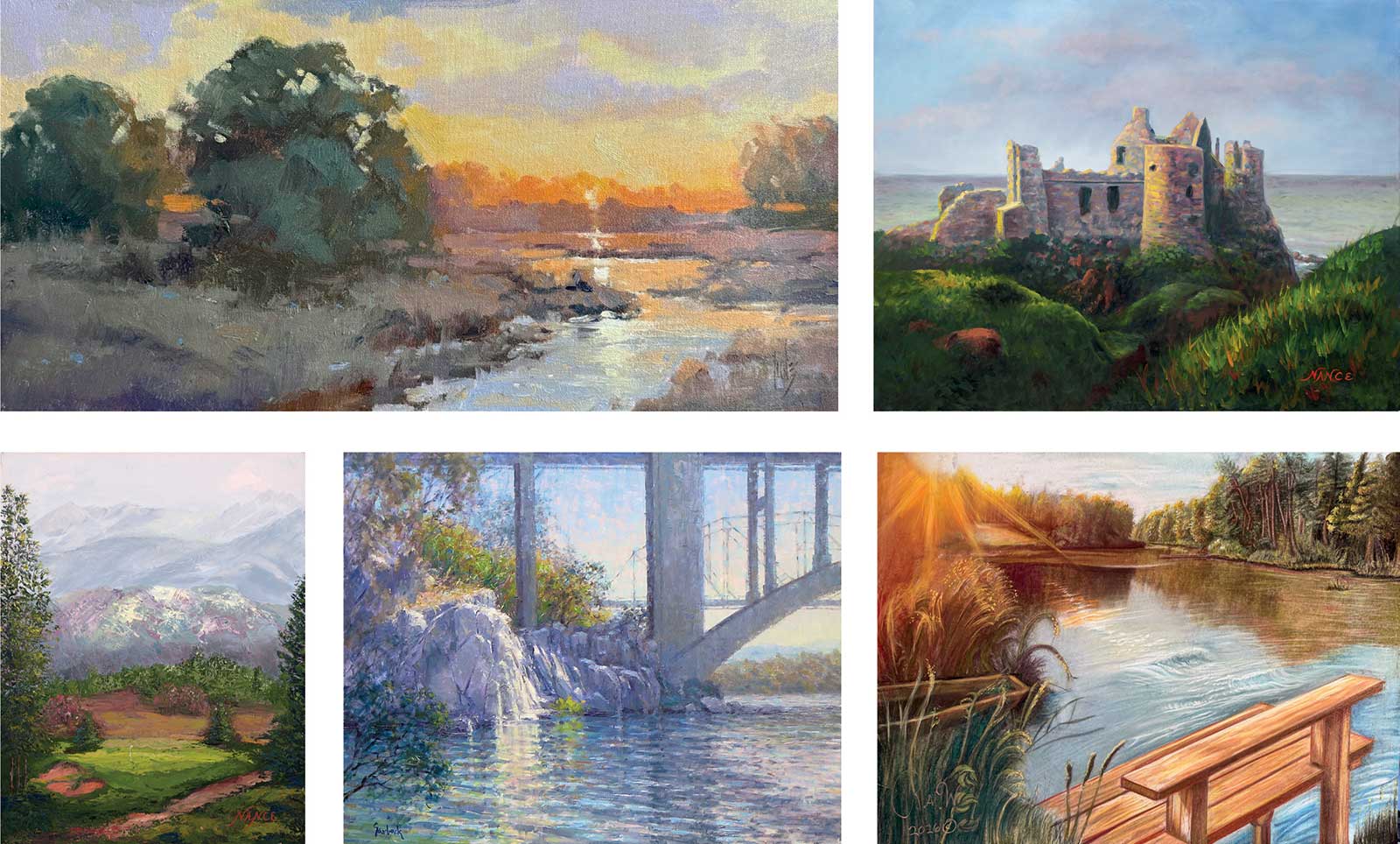
Top: American Impressionist Society, Last Minutes of the Day, 2026, oil, 10 x 20 in., by Rusty Jones. Nancy J. Balmert, Dunluce Castle, oil on canvas, 22 x 28 in. Bottom: Nancy J. Balmert, Mountain Golf, oil on canvas, 18 x 14 in. Susan Sarback, Water Under the Bridge, oil on panel, 16 x 20 in. Roosevelt Washington, Calm Breeze, soft pastel, 19¾ x 25 in.
Artist Nancy J. Balmert travels the world with her husband, and wherever they go, she always loves taking photos of the inspiring landscapes around her. “They bring back so many good memories of the places we’ve been. Sometimes there’s time to plan the composition, but there are occasions when the pictures are taken on the fly, so to speak,” she says. “I love painting landscapes that are interesting and have a beautiful center of attention such as [my artworks featured here]. One is Dunrobin Castle, which sits on a bluff overlooking the North Sea. We visited there on a rare sunny summer day on one of our trips to Scotland.”
Liz Ahrens, executive director of American Impressionist Society, says: “Ask yourself, ‘do I see the artist’s intention in this landscape painting?’ A dramatic vista may have been the inspiration yet the quiet moments within the painting should keep you in front of it—not just a quick look and then moving on to another image. Shadow, movement of light, the atmospheric conditions and subtle palette of nature should pull the viewer into an image. Landscapes encourage us to slow down whether you are in a gallery or driving down a country road. Paintings can refresh a memory of place, mood and environment.”
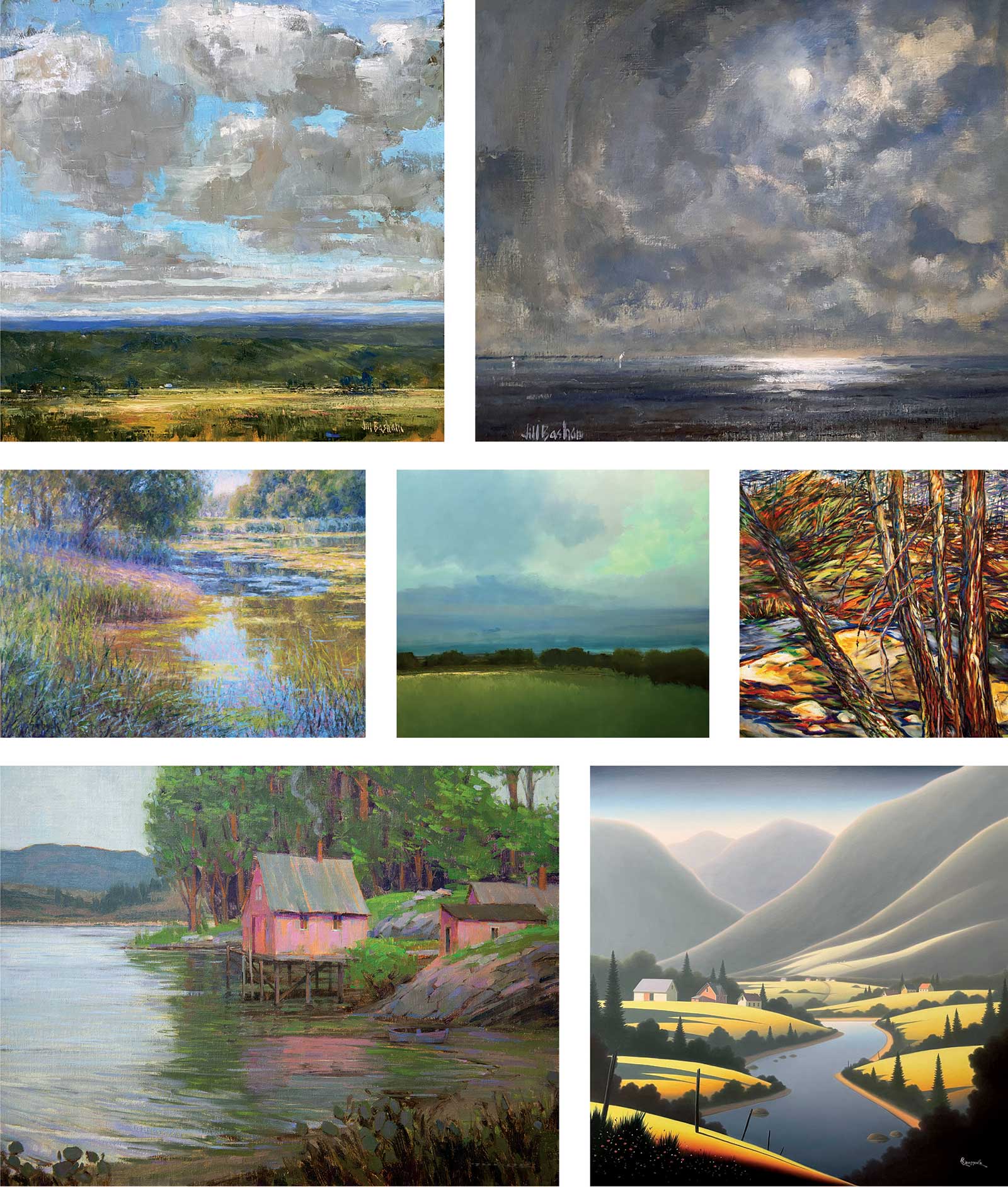
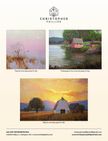
Top: Jill Basham, Drift Away, oil on linen, 30 x 30 in. Jill Basham, Timeless, oil on linen panel, 20 x 24 in. Center: Susan Sarback, Pond Travels, oil on panel, 12 x 16 in. Wally Workman Gallery, Grasshopper, oil on canvas, 48 x 56 in., by Sylvia Benitez. Janet Grissom, Reaching, oil on linen, 40 x 40 in. Bottom: Christopher Phillips, Thinking About You, oil on linen panel, 12 x 16 in. Raymond Quenneville, Tout simplement, oil on canvas, 40 x 40 in.
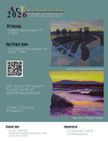
Paintings by American Impressionist Society members Rusty Jones, Barbara Coleman and Jane Anne G. Woodhead will be on view at Mockingbird Gallery in Bend, Oregon, at the AIS 27th Annual National Juried Exhibition from September 4 to October 3.
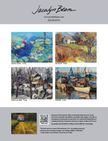
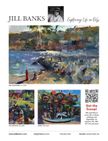
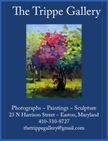
Jill Basham is known for her plein air and studio landscape paintings, celebrated for their rich atmosphere and expressive sense of place. While she often paints outdoors on location, she also develops her work in the studio. Deeply inspired by the natural beauty of the Chesapeake Bay and surrounding areas, she remains equally drawn to any scene that evokes an emotional response, whether close to home or discovered in her travels. “I recommend to those interested in purchasing art to buy what you respond to and love, as it’s an investment that you will want to enjoy living with every day,” Basham says. “Collectors may consider landscapes ‘safe’ paintings and shy away from purchasing. Yet, finding the scene that evokes emotion and gives you pause should be top of a collector’s wish list. Landscapes can answer two questions: where was this painted and more importantly, what did the artist share in this painting?”
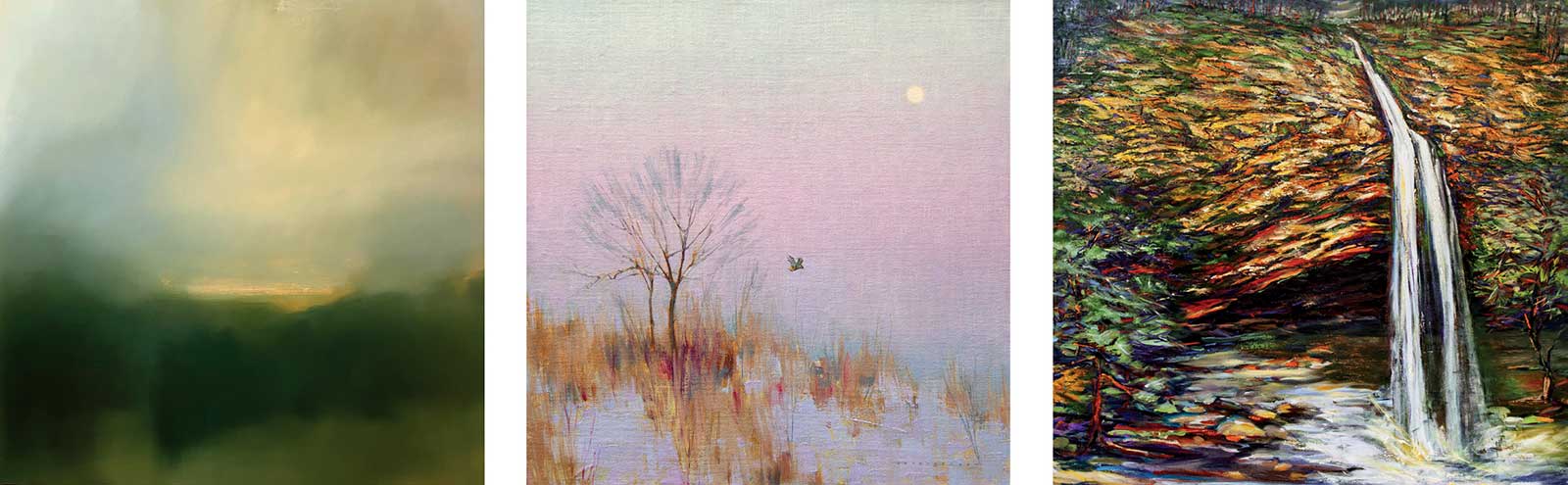
Wally Workman Gallery, Endymion, oil on canvas, 36 x 36 in., by Sylvia Benitez. Christopher Phillips, Feel Lost, oil on linen panel, 12 x 12 in. Janet Grissom, Touching Nature, oil on canvas, 48 x 48 in.
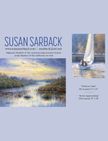
Most of Susan Sarback’s paintings are created in Northern California, where shifting light and atmosphere continually reshape the landscape. Like the impressionist painters, her work is rooted in observing how light transforms the world around us. “Across seasons, times of day and changing weather, I explore how light affects color and sets the emotional tone of a scene. I’m especially drawn to landscapes because they reveal my fascination with atmosphere and rhythm. Subtle transitions—fog lifting from a hillside, cool shadows stretching across late afternoon fields or wind rippling in layered patterns across a river—are the moments that inspire me,” says the artist.
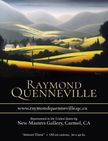
Self-taught artist Raymond Quenneville has been painting for more than 50 years. In 1992, after having explored a variety of media, he went back to oil painting, and decided to pursue his own unique style in expressing landscape and light. By playing with complementary colors, Quenneville accentuates contrasts and creates impressive luminous effects. In his landscape paintings, subtle values variations almost make visible the fine consistency of the air itself and create an illusion of depth that is convincing to the eye. He likes to paint peaceful environments, expressing the serenity and equanimity of places where it is good to stop and just be for a moment.
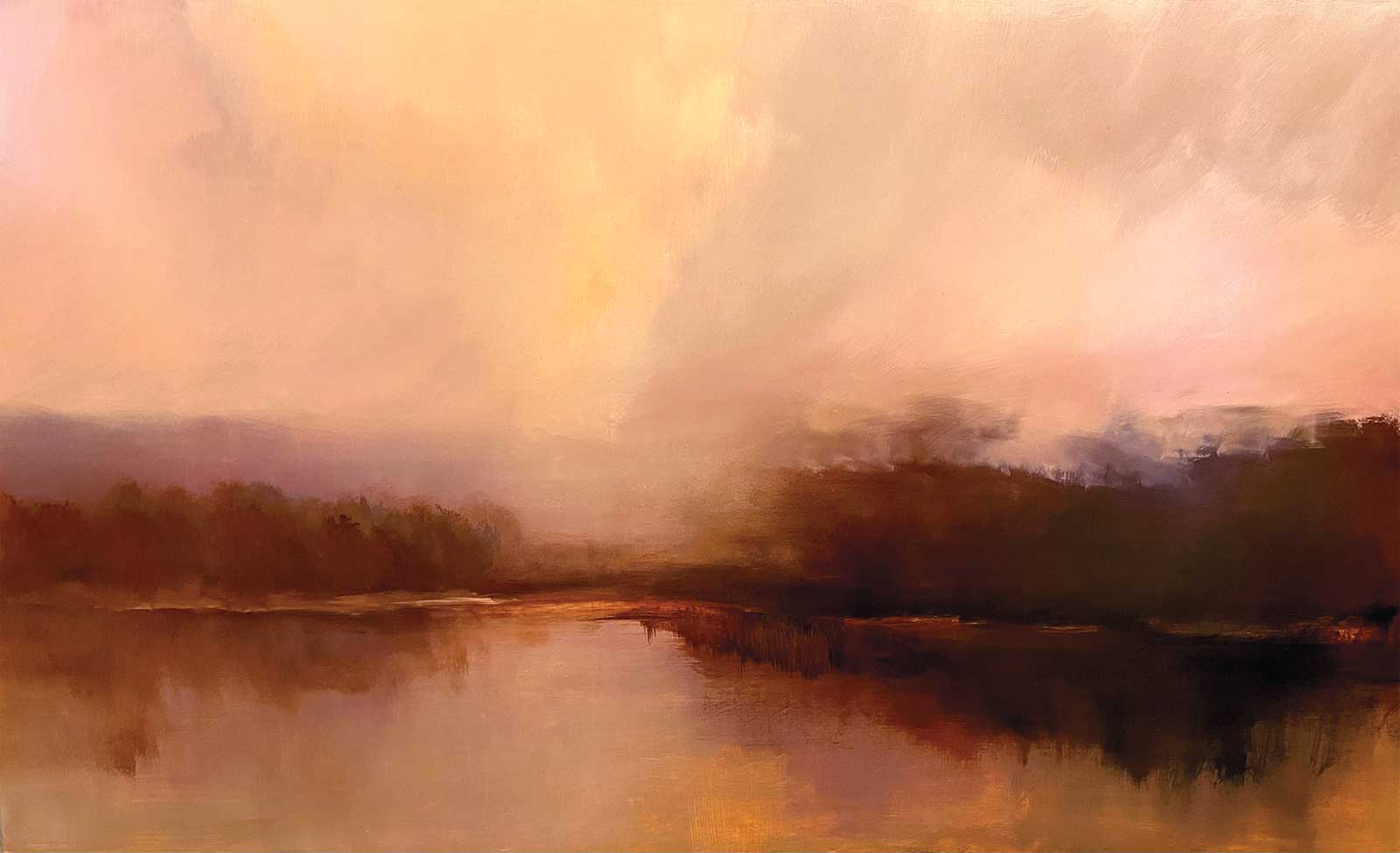
Wally Workman Gallery, Burnished Pond, oil on canvas, 36 x 60 in., Sylvia Benitez.
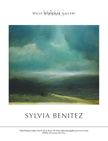
Represented by Wally Workman Gallery in Austin, Texas, Sylvia Benitez creates misty and ethereal landscapes. “Endymion was the first painting of this new body of work that I was immediately happy with. It embodied all my old attributes: mist, blur, amorphous shapes, and adhered to tonality principles, all the while exhibiting a distinct palette change,” Benitez says of her recent work. “This work sparked a renewed interest in tonality and helped to further my painting investigation. Originally entitled Evening Shadow, [another piece called] Grasshopper went through many changes and required the sacrifice of areas I truly loved. The arrival of the back aqua line and the addition of the buttery line created compositional tension that carries the eye across boundaries.”
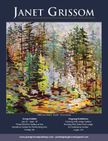
Janet Grissom says, “Without seasons we lose our understanding of time, and in different places of the world the seasons reveal themselves in different ways. I have found coming home to forests and meadows is my way of anchoring myself in life’s timeframe. The trees document time in color and pattern…Each new season is a familiar but unknown gift. A gift I can receive and perceive by color, light, texture, movement and rhythm.”
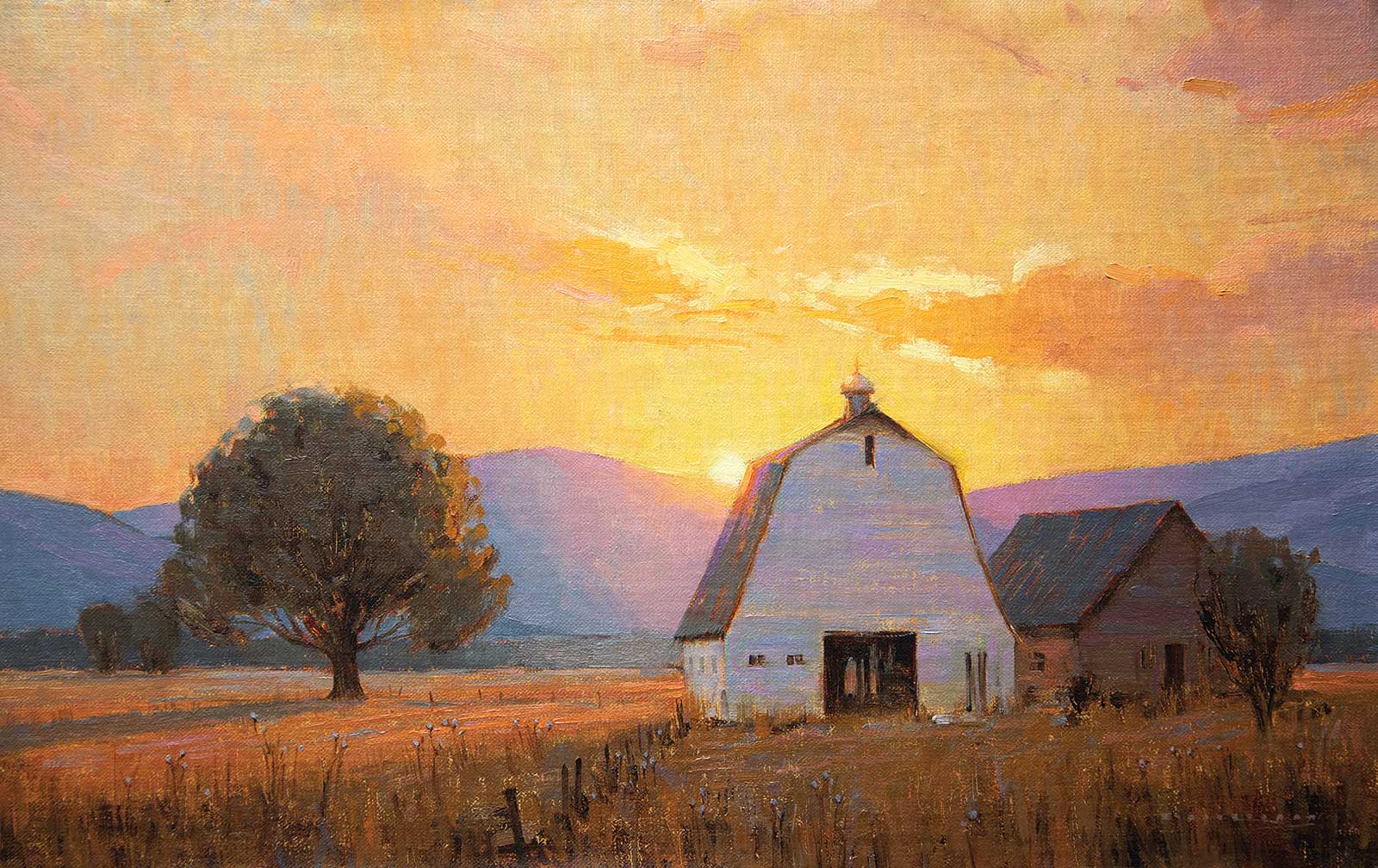
Christopher Phillips, Reboot, oil on linen panel, 10 x 16 in.
Grissom’s art is a dialogue with the viewer about the grandeur and power of the natural world. “My vision is created by the sharp, dynamic colors, representing the uncomfortable heat in nature or the soft, neutral colors representing the pleasant early morning quietness of nature,” she adds. “It is all a language I have developed over a lifetime to share my obsession with the profundity of nature. Nature offers me a spiritual connection to time through the seasons.”
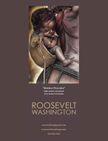
Oakland, California-based artist Roosevelt Washingtonhas strived to capture the “true emotions of life” for the past 20 years. “I was never formally taught how to draw, but the experience I received from four years of homelessness gave me the clarity to express myself through art and capture the reality of the human condition. I enjoy working in black and white and color, [with] chalk pastels, oil paints and other media,” says the artist.
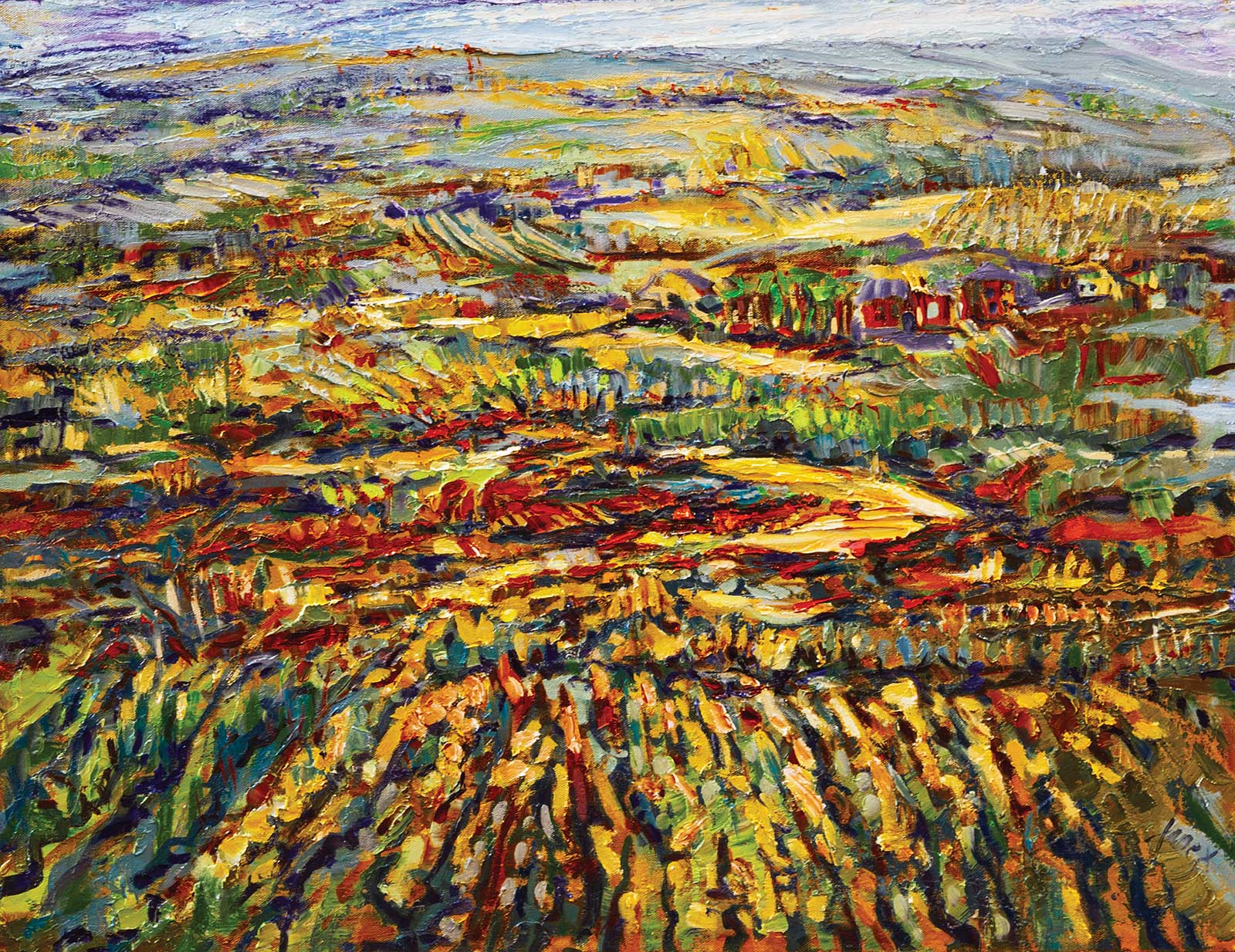
Janet Grissom, Rolling Landscape, oil, 24 x 30 in.
Storytelling is central to Christopher Phillips’ artistic practice. “Beyond visual appeal, a meaningful concept—whether boldly expressed or subtly embedded—is what gives artwork its emotional depth and lasting impact…My landscapes weave together natural elements, spiritual themes and symbolic imagery to invite contemplation and personal connection. While the idea of visual cues is enamoring, the intention is for each piece to remain open to interpretation, allowing viewers to discover their own narrative and connection within the work. Ultimately, each painting is an exploration of faith, story and the unseen layers that shape our world.”
Phillips advises collectors to seek pieces that resonate with them on a personal level. “Art that transcends visual appeal and offers meaning tends to hold deeper significance over time,” he says. “When art connects to you, it becomes more than decoration, it becomes part of your story.” —
Featured Artists & Galleries
Altamira Fine Art
172 Center Street, Jackson, WY 83001
(307) 739-4700
connect@altamiraart.com
www.altamiraart.com
American
Impressionist Society
(231) 881-7685, americanimpressionistssociety@gmail.com
www.americanimpressionistsociety.org
Christopher Phillips
christopherphillipsart@gmail.com
www.christopherphillipsstudio.com
Janet Grissom
www.janetgrissompaintings.com
Jill Basham
(410) 200-3597, www.jillbasham.com
IG: jilltascherbasham
Represented by:
Principle Gallery, Alexandria, VA, and Charleston, SC
Trippe Gallery, Easton, MD
McBride Gallery, Annapolis, MD
Nancy J. Balmert
www.nancybalmert.com
Represented by: Amsterdam Whitney Fine Art, New York, NY
(212) 255-9050
Prellop Fine Art Gallery, Salado, TX
(254) 947-3930
Raymond Quenneville
(418) 822-2136
raymond.quenneville@gmail.com
www.raymondquenneville.qc.ca
Roosevelt Washington
1924 Swanson Drive # 10
Charlottesville, VA 22901
(510) 689-8657
IG: rooseveltwashington46
Susan Sarback
ssarback@att.net
www.susansarback.com
www.raymondquenneville.qc.ca
Wally Workman Gallery
1202 W. 6th Street, Austin, TX 78703
(512) 472-7428
www.wallyworkman.com
Powered by Froala Editor