Spanish artist Pablo Picasso once said, “As far as I am concerned, a painting speaks for itself. What is the use of giving explanations when all is said and done? A painter has only one language.”
What Picasso was referring to is visual language, or the meaning that can be derived from a work of art by looking at it. This idea of visual language is the cornerstone of Russian-born artist Alex Kanevsky’s artwork, which is meant to be interpreted at face value.
“Painting speaks to zeitgeist. [The English language] deals instead with narratives and concepts,” he says. “I feel that my job is to speak the former as clearly and succinctly as I possibly can. The latter is only important to open the doors and set the general direction. It is a bit like riding a motorcycle: a problematic form of transportation to get you efficiently from point A to point B, yet it often makes the entire journey worthwhile.”
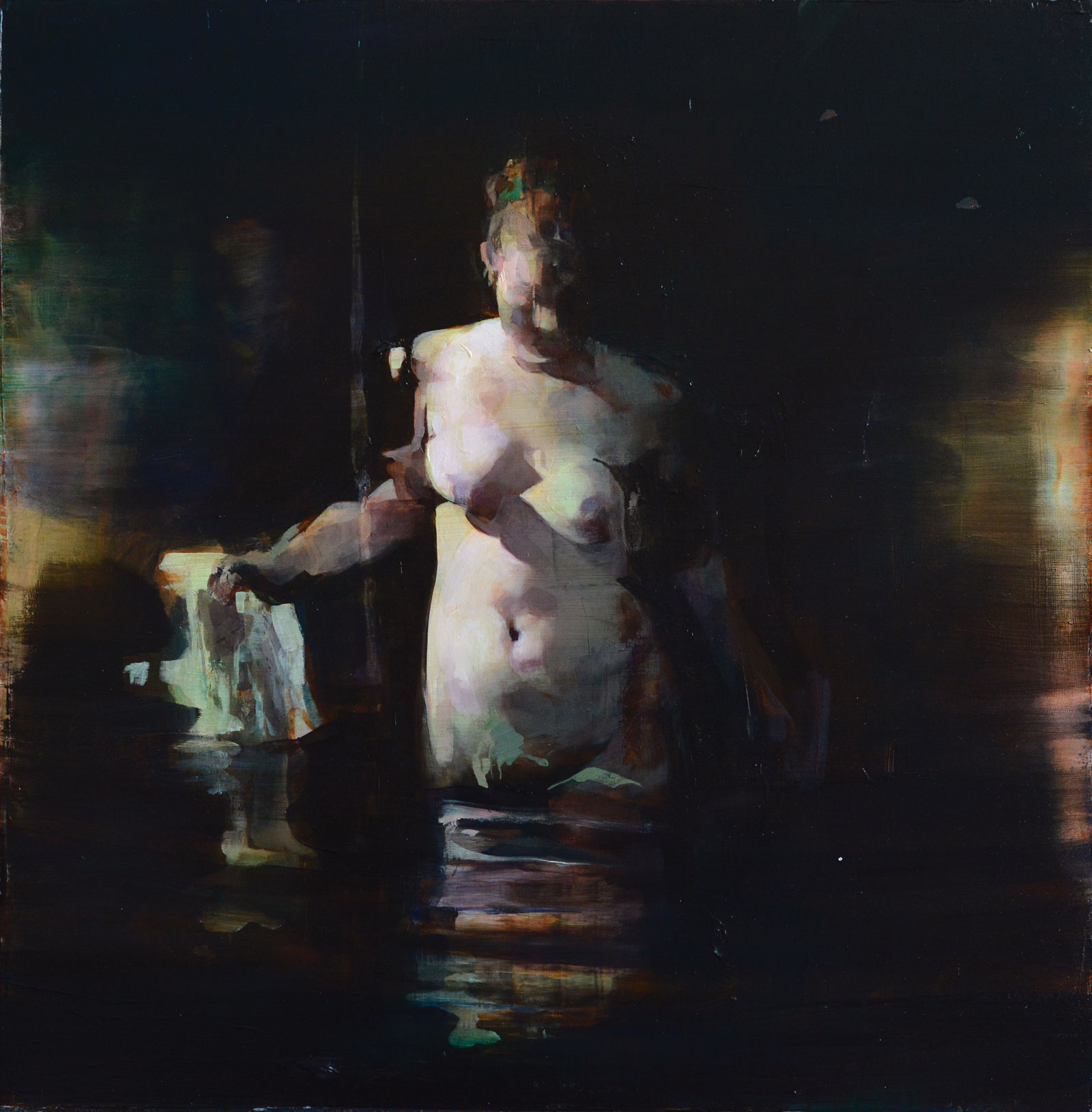
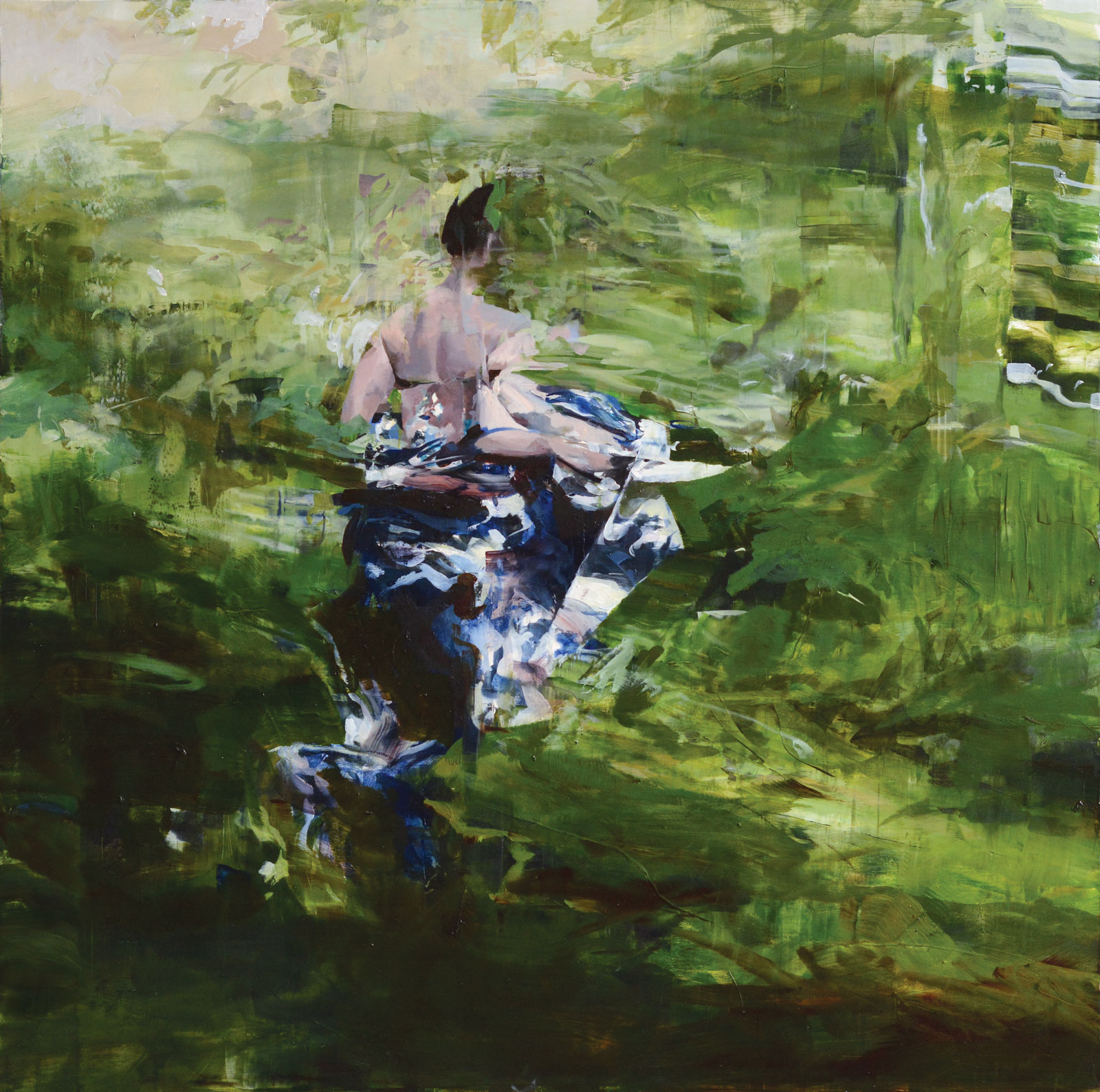
Through December 1, Dolby Chadwick Gallery in San Francisco, which has represented the artist for more than 15 years, will present the solo show Fin de Siècle featuring Kanevsky’s latest paintings. The title for the show, which translates from French to end of the century, is a term often used to define the ending of one era and the beginning of another. It has particularly been used to describe the end of the 19th century, when it marked hope for a new beginning.
“Many things ended for me, for people involved in these paintings, for the country and for the world,” says Kanevsky. “Everything seems to be in some turning point. It does not refer to any particular event, just the general feeling. Without getting into any specific narratives, I felt that this group of paintings referred to that feeling. Paintings are the works of fiction, but that fiction is rooted in the reality. The narratives are private, but the what they communicate is shared in the paintings.”
Kanevsky’s artwork often blends the figure and its landscape, whether it is the outside terrain or interior settings. The forms meld into one another creating abstracted, yet recognizable, subjects that are defined by the light, color and movement. According to the gallery, “We are looking at a world in which the raw sense data are not yet fully filtered and formatted through the concepts of our language, where we look at the things the way we actually see them rather at what our idea of them is. It’s a world in which the sensual is on the verge of just becoming conscious.
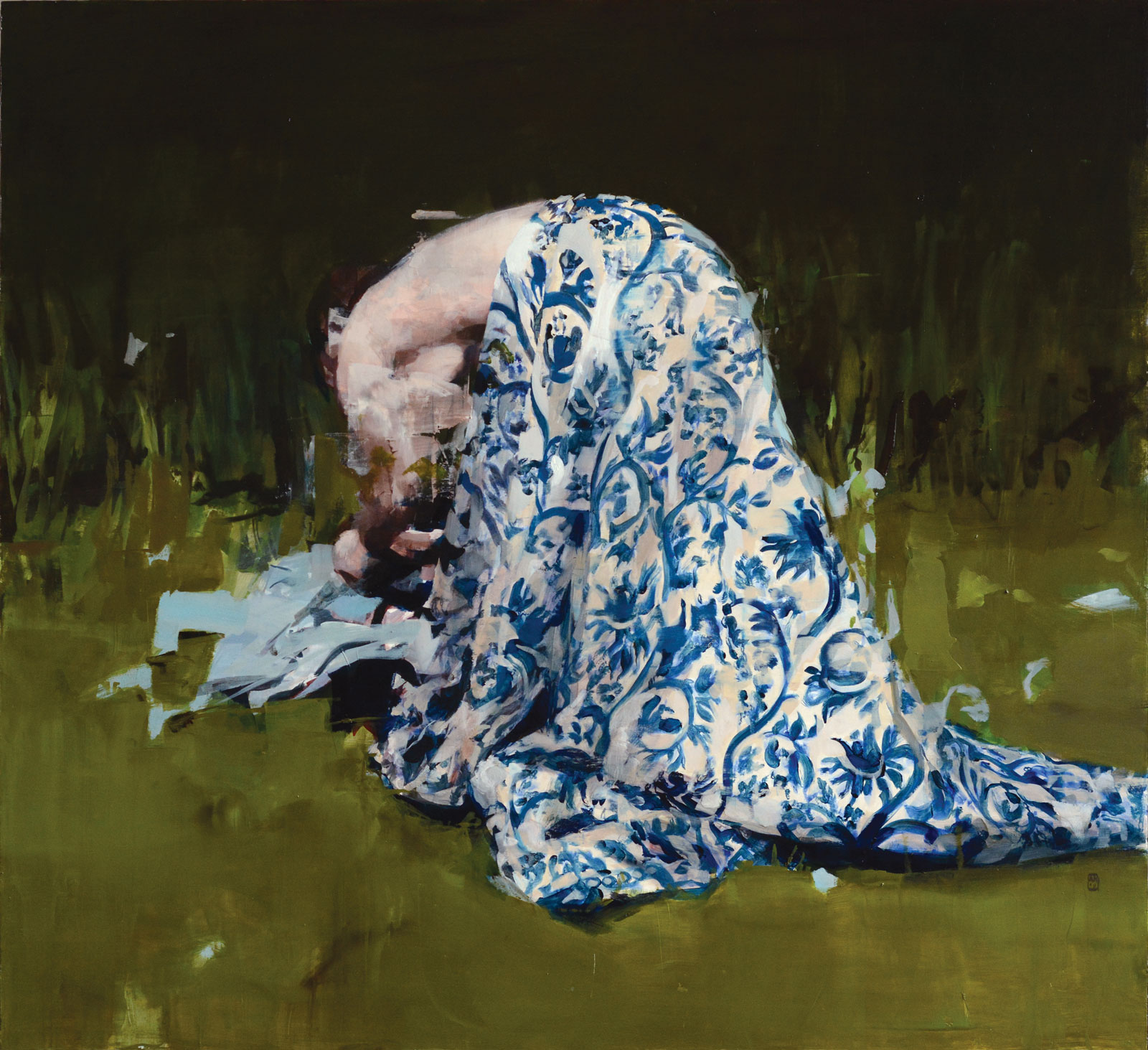
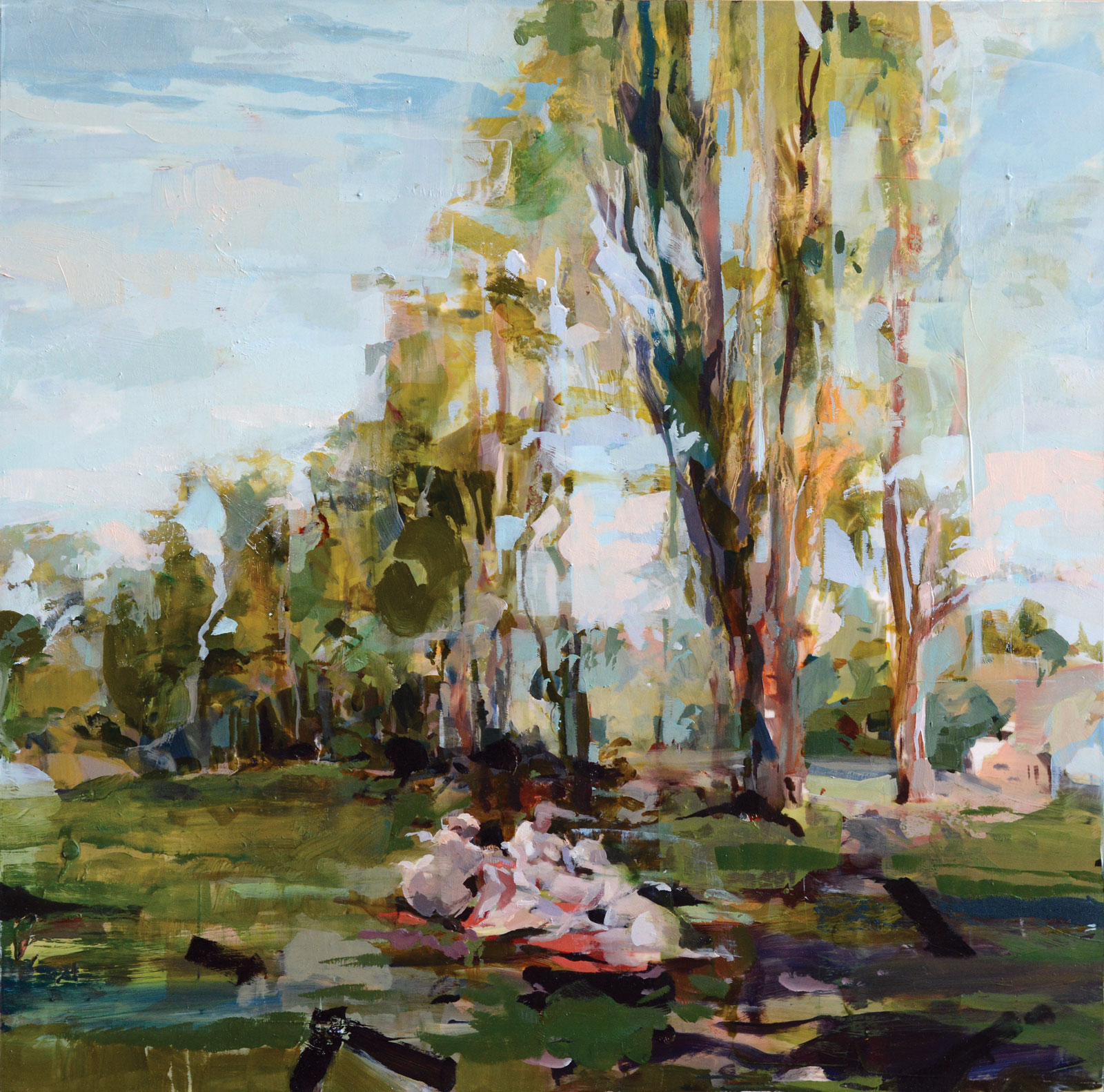
In his artwork, Kanevsky is more interested in people than any other element, and he finds them to be “quite miraculous” particularly when pulling together all aspects of their being—the physical, mental, sexual or spiritual. “Without resorting to the concepts I can’t define like ‘soul’ or ‘consciousness,’ I focus on their physical presence because it is ultimately where the loftier considerations manifest themselves in our lives,” he explains. “So my belief is that if I look at your physical presence very closely with a sympathetic and compassionate eye, I might be able to speak of who you are. And if I often fail, it is certainly worth trying.”
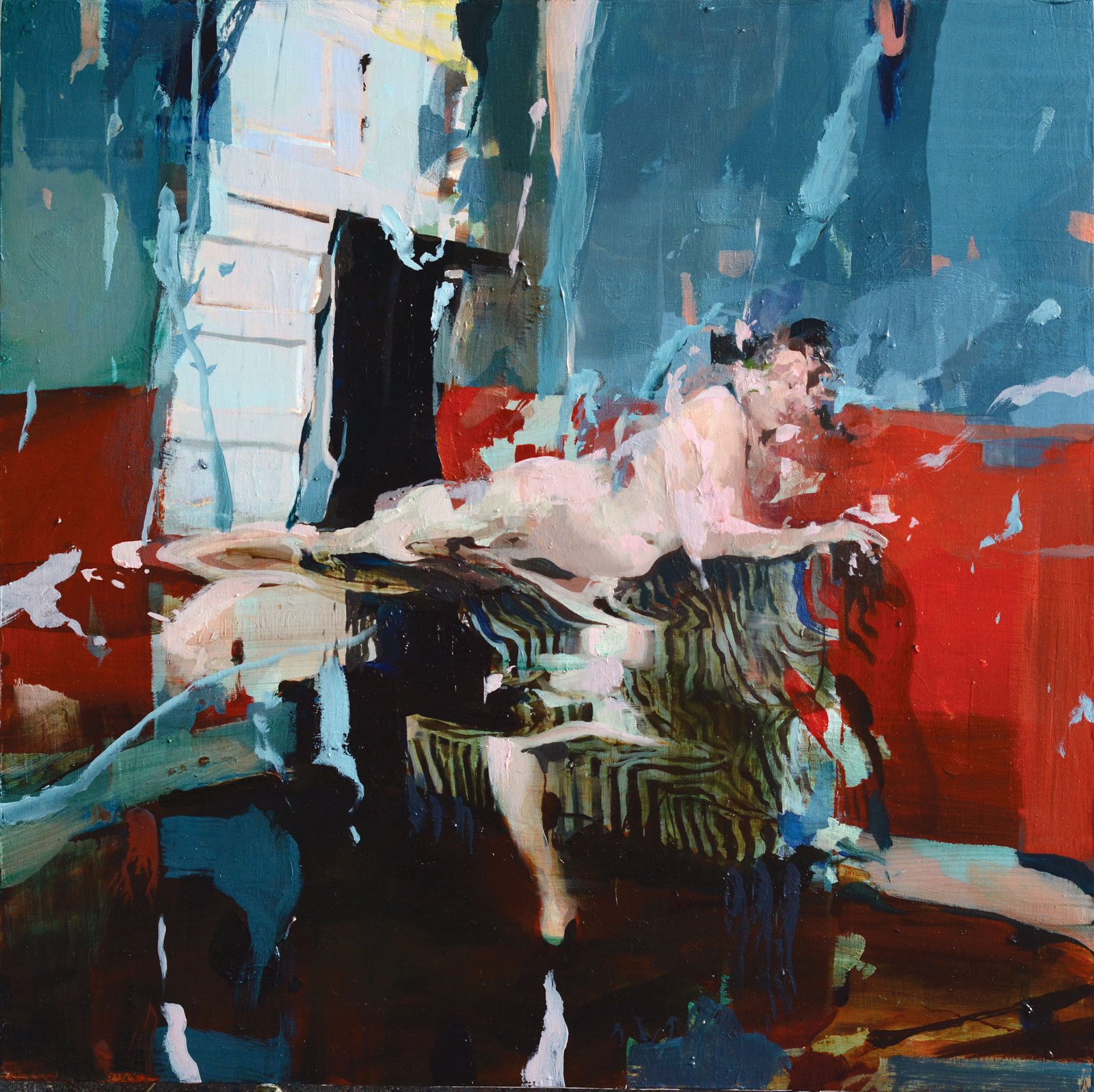
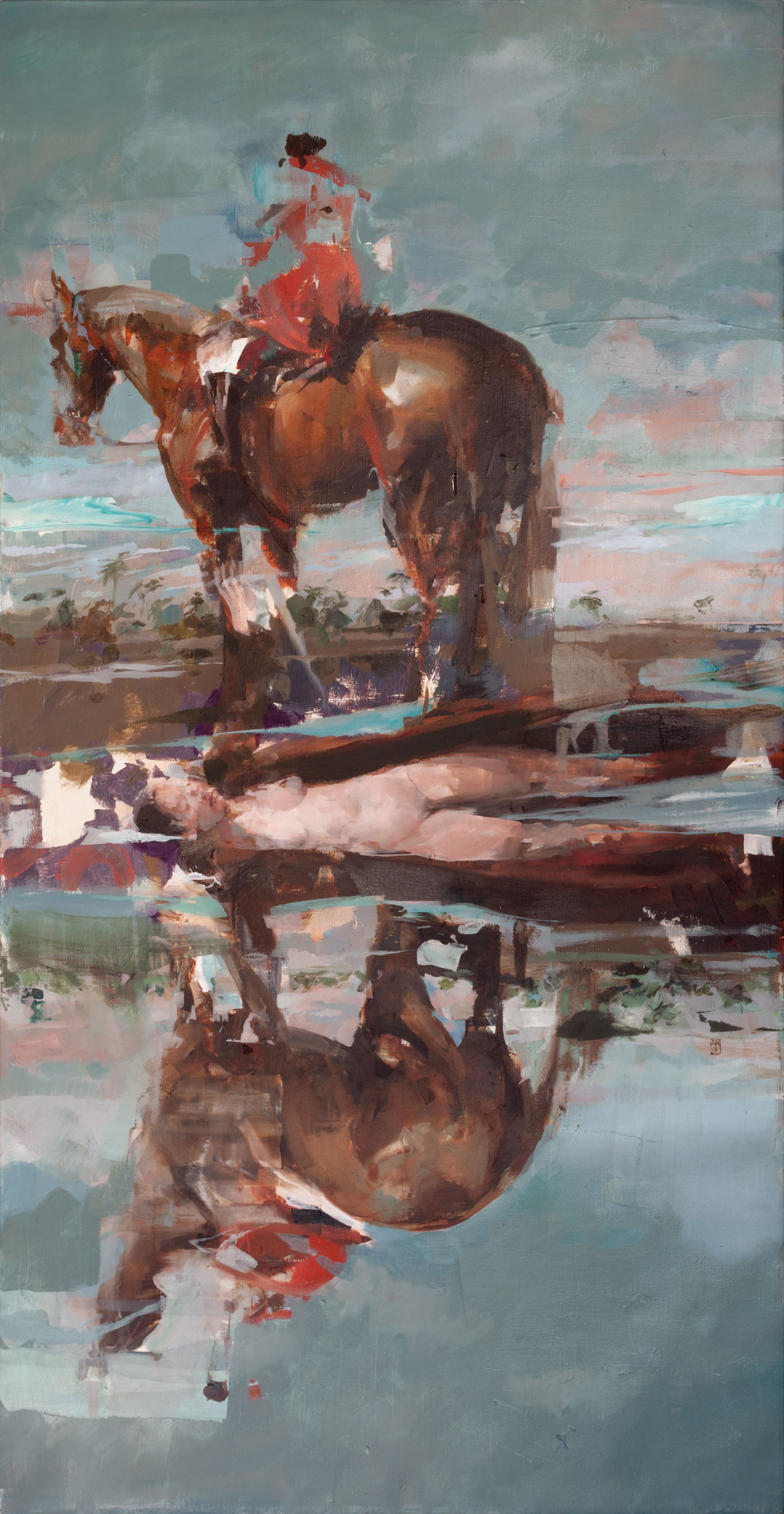
Alex Kanevsky: Fin de Siècle
When: Through December 1, 2018
Where: Dolby Chadwick Gallery, 210 Post Street, Suite 205, San Francisco, CA 94108
Information: (415) 956-3560, www.dolbychadwickgallery.com
Powered by Froala Editor