The wildlife art genre is most certainly about showcasing the beauty of animals in their natural habitat, but it also encompasses so much more. For many wildlife artists, it’s about raising awareness for conservation and protecting endangered species—and all species for that matter— while also celebrating the many creatures that many of us don’t get to see on a regular basis. Perhaps by artists bringing these animals and wild spaces to the forefront of our minds, we are reminded of a greater importance and our greater responsibility.
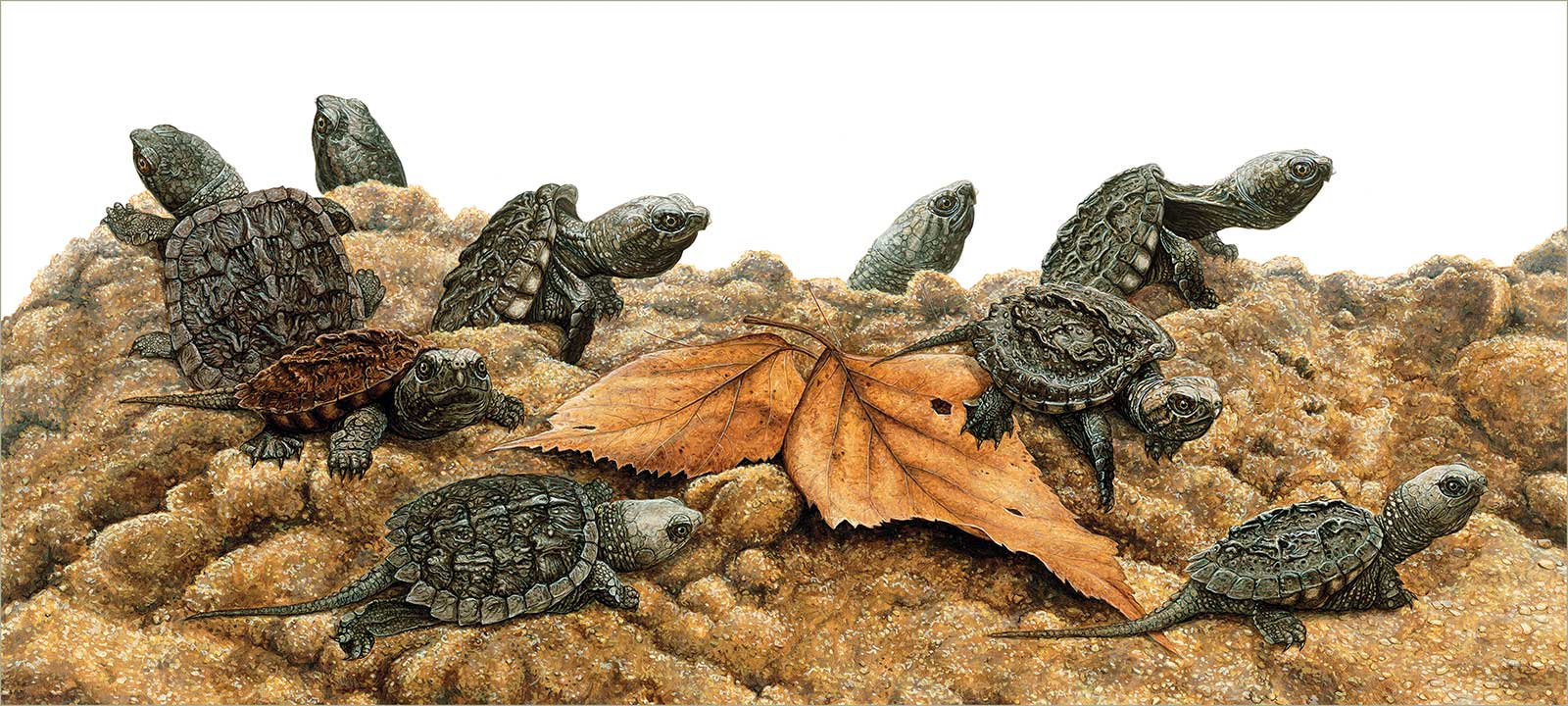
Matt Patterson, Snapping Turtle Hatchlings, acrylic on vellum board, 10 ½ x 23 in.
Artist and illustrator, Matt Patterson, for example, celebrates the natural world and highlights species to raise awareness of the threats that many are currently facing. “I hope it inspires people to take a hand in supporting the conservation of these amazing animals,” Patterson adds. “Stepping in to protect wildlife gives us human newcomers a great opportunity. It lets us take our turn upholding the health of our beautiful planet.”
Patterson, a signature member of the Artists for Conservation, Society of Animal Artists and a fellow in the Explorers Club, shares, “I have loved wildlife since I could speak... My father was a biology teacher and was always introducing me to different types of animals. I was always out looking for snakes, turtles, frogs and fish. I loved catching them, observing them and drawing them.” Today, working the field and seeing species up close and in their natural habitat is an important part of Patterson’s process for his work.
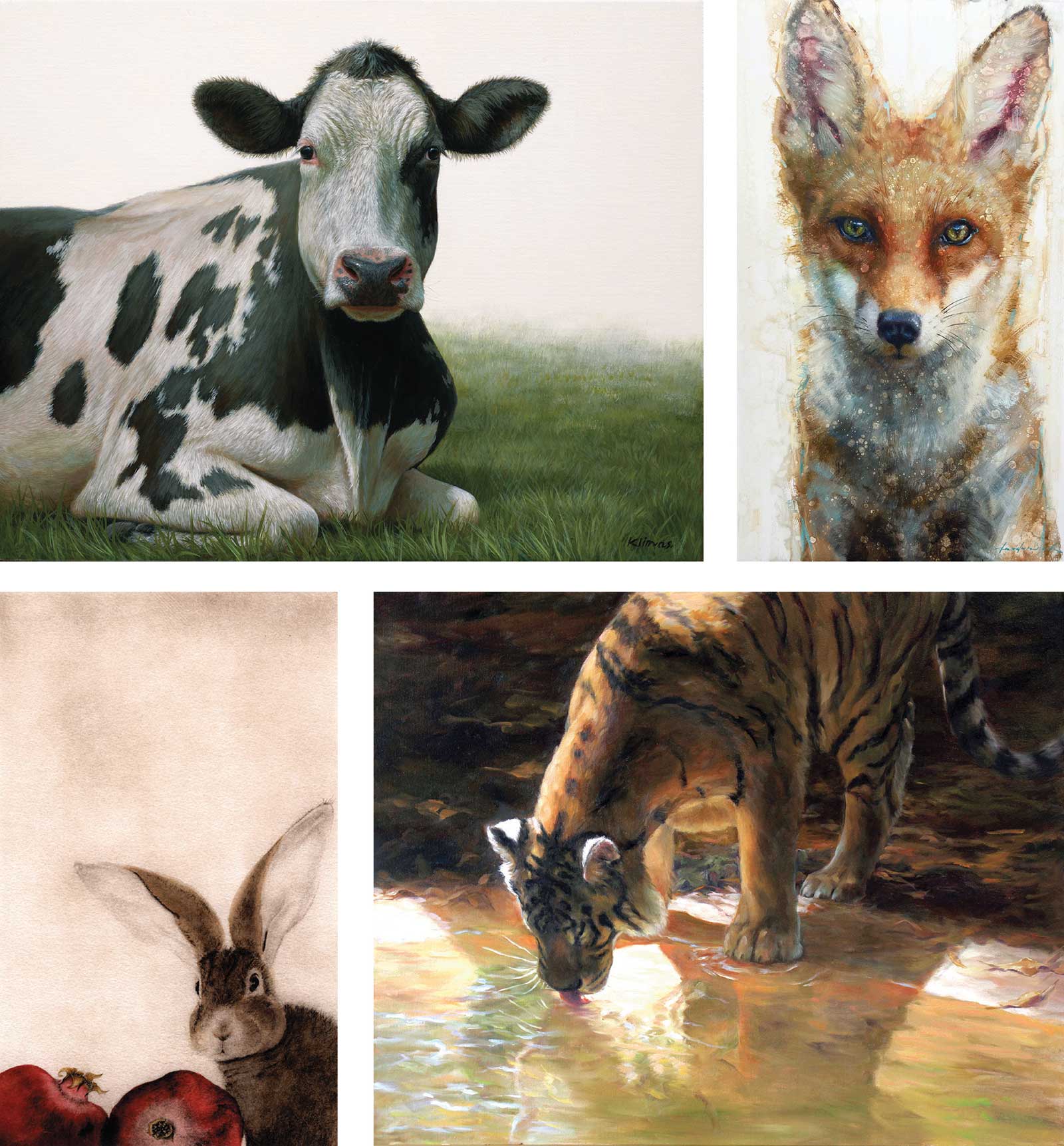
Top: Rehs Contemporary, Betty the Cow, oil on canvas, 15¾ x 19¼ in., by Alexandra Klimas; Altamira Fine Art, Cinder, oil on canvas, 60 x 36 in., by David Frederick Riley. Bottom: C.C. Barton, Lapin aux Grenades, limited edition print on Arches Cover paper and hand painted with watercolor, 17 x 12 in.; D. Arthur McBride, Afternoon Lap, oil on linen, 24 x 30 in.
“I had the opportunity to go to Madagascar with the Turtle Survival Alliance and got to help survey critically endangered radiated tortoises at three different sites in the Spiny Forest,” the artist says. “I did a series of work based on my time there. I’ve used my work to help raise awareness of the threat that these tortoises are facing, and also to raise money for conservation efforts. I’ve also surveyed turtles in the rainforest of Belize, again with the Turtle Survival Alliance.”
One such piece, Snapping Turtle Hatchlings, depicts the moment hatchling snapping turtles emerge from their nest in the sand. Patterson used references of hatchling snapping turtles from a nesting site he volunteered at for several years. “This is an illustration from my most recent book, The True and Lucky Life of a Turtle,” says Patterson. “This picture book is a true story chronicling the inspiring life of a snapping turtle named Fire Chief (also featured in Of Time and Turtles). For decades he lived in a pond next to a fire station. [Overall], this book spotlights the threats turtles face and their importance in our ecosystem.”
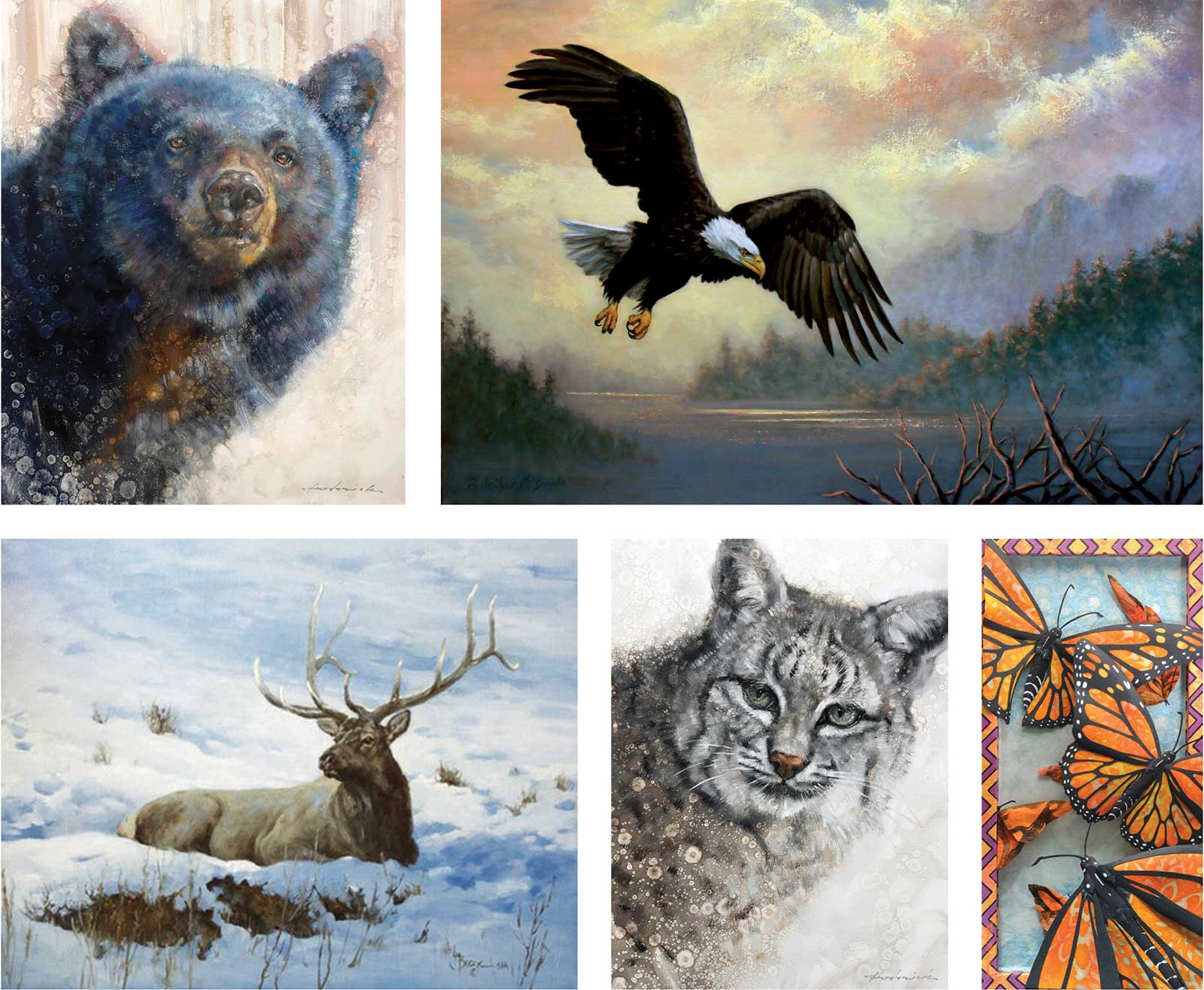
Top: Altamira Fine Art, Caught My Eye, oil on canvas, 60 x 48 in., by David Frederick Riley; D. Arthur McBride, Early Flight, oil on canvas, 20 x 30 in. Bottom: Linda Budge, Throne of Blue, oil on linen, 24 x 30 in.; Altamira Fine Art, Emergence, oil on canvas, 48 x 36 in., by David Frederick Riley; Tiffany Miller Russell, Return of the Monarchs, cut paper sculpture, 12 x 6 x 3 in.
Painter Alexandra Klimas, represented by Rehs Contemporary in New York City, takes a slightly different stance, advocating for animals in the meat industry. She has a special series dedicated to cows. “I want to shed light on this group of ‘forgotten’ animals,” she says. “I try to paint my cows so lifelike that they look at you and a kind of intimate relationship is created. But it is, and always remains, a challenge to properly reflect the mood and individual character of each animal.”
She continues, “To me, every cow is unique. They all have their own characters. In the summer, I visit farms. I like to have my pencil and sketchbook on hand when I am among the cows to observe and get to know the unique personalities of these exquisite animals. As a result, my sketchbooks are also full of short pieces of text describing the personalities of each animal. In my atelier I work out my sketches into oil paintings. I soon start painting the eyes, which reflect the soul, and with them you feel the connection.”
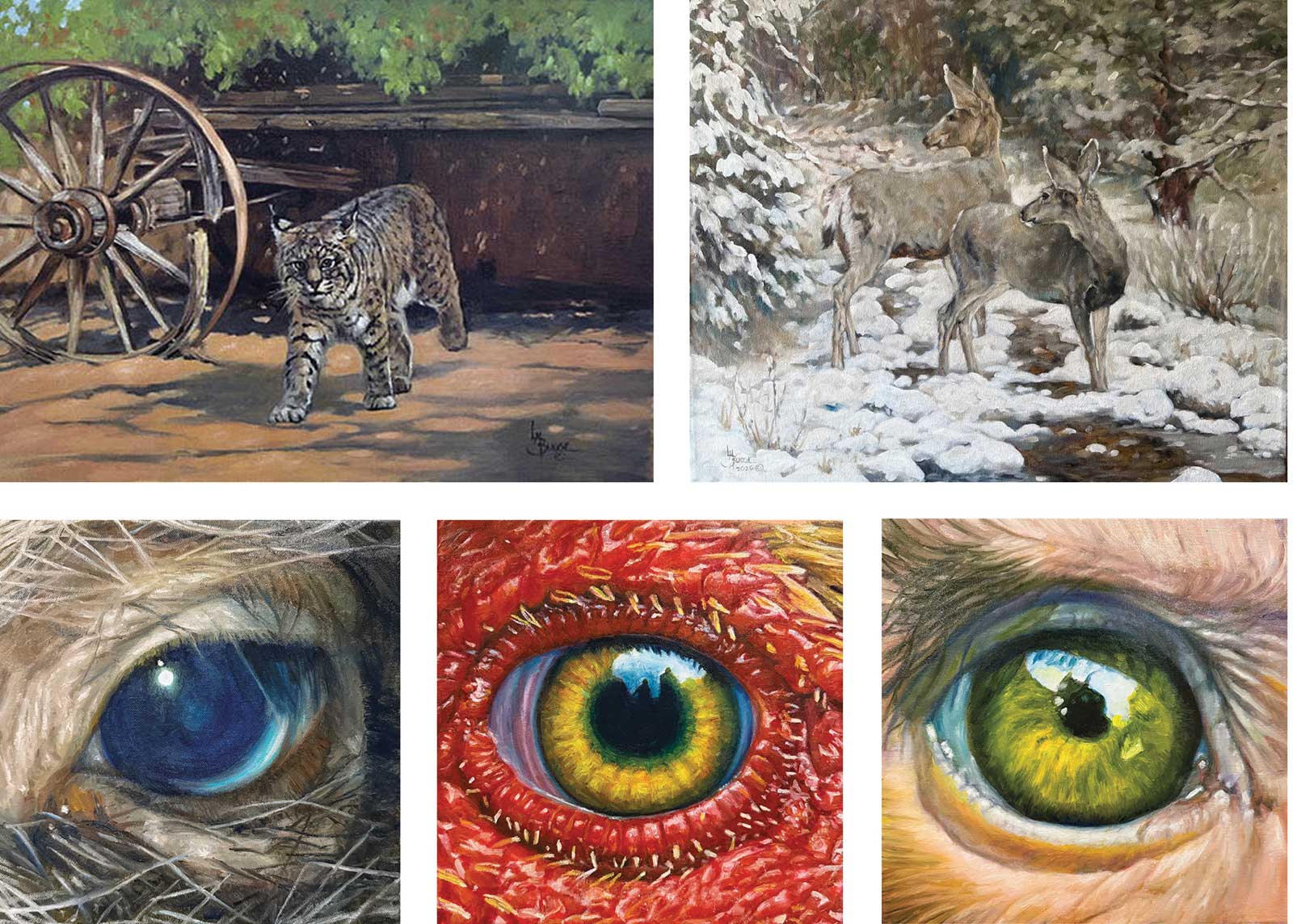
Top: Linda Budge, Out of the Past, oil on linen, 22 x 30 in.; Linda Budge, Silence, oil on linen, 20 x 24 in. Bottom: Lin-Lin Mao Mollitor, I, Pig, oil on canvas, 12 x 12 in.; Lin-Lin Mao Mollitor, I, Rooster, oil on canvas, 12 x 12 in.; Lin-Lin Mao Mollitor, I, Monkey, oil on canvas, 12 x 12 in.
Klimas paints other animals as well, but the overarching mission is to “raise awareness of these beautiful creatures, which might otherwise easily pass us by,” she says.
Through the remainder of this section, you’ll also hear from artists, institutions and galleries, sharing their insights on the wildlife genre, with many focusing on conservation.
For 55 years, the Waterfowl Festival in historic Easton, Maryland, has used art to mirror the beauty of nature and inspire environmental stewardship. Each year, the festival presents a juried showcase of wildlife and sporting art—from paintings and sculptures to carvings and photography—that deepens appreciation for the outdoors. Artistic expression also advances the festival’s mission of conservation. Every sale supports wetland restoration, youth environmental programs and local nonprofits. In this way, art becomes action: visitors leave with nature-inspired treasures while helping protect wildlife and habitats for generations to come.
Join the festivities, November 13 through 15, 2026, and discover why the Waterfowl Festival remains a legendary celebration of art, heritage and the wild spirit of the Eastern shore.
Discover works by featured artist’s Randy Conner, Paul Rhymer and Ray Brown. “Nature and the wildlife that inhabit it have inspired me since I first picked up a pencil,” says Brown. “I want to communicate my love for the birds and beings that brighten our world. Whether I celebrate the power of the bison, the athleticism of a swallow or the majesty of a moose, I am trying to create an image that speaks to the essence of my feelings toward these creatures that share our world. I hope my passion, and the manner in which I communicate it, resonates with those that view my work. And may help in some small way to inspire people to do what they can to preserve the wild places of our world.”
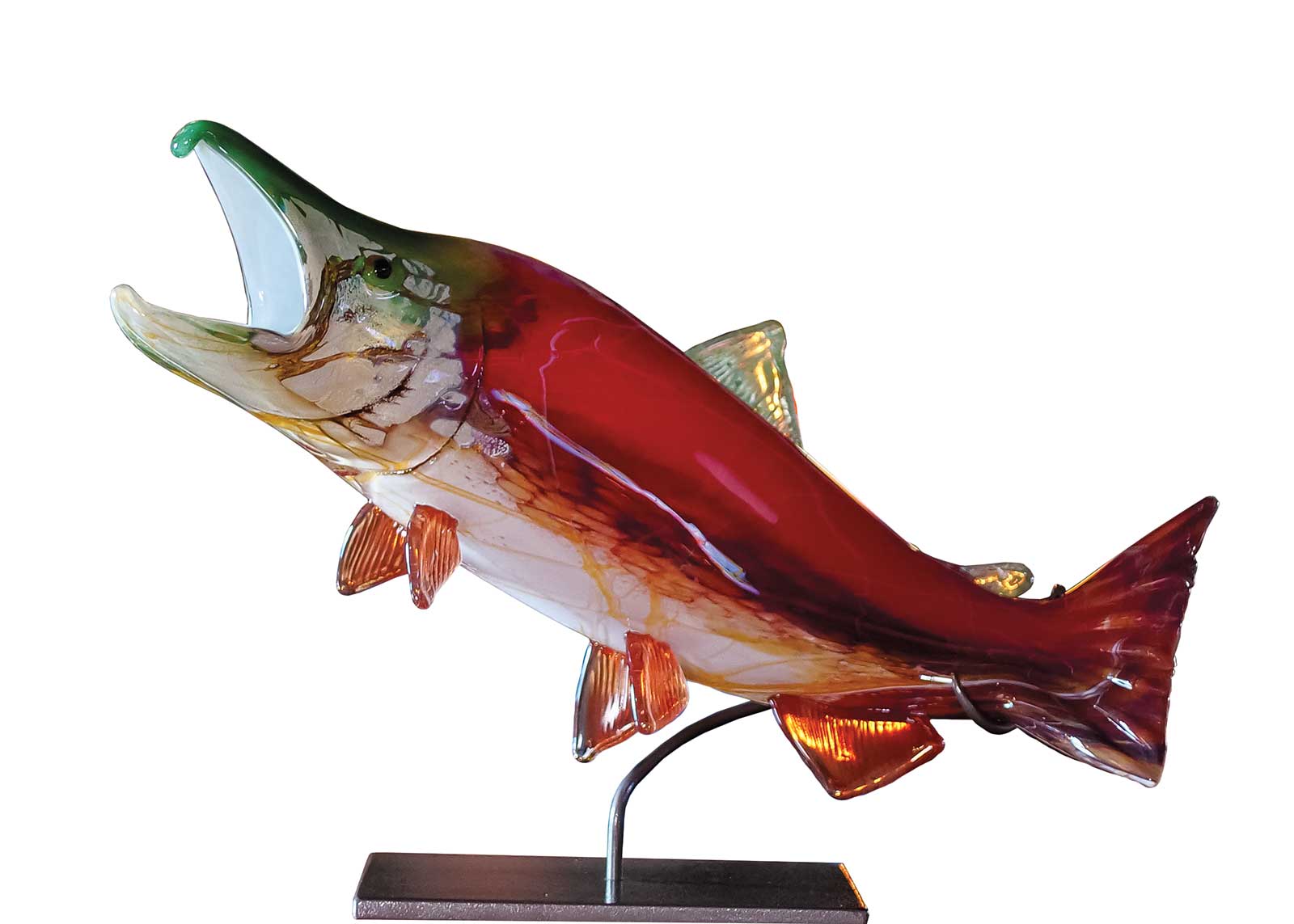
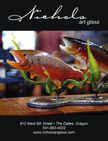
Andy Nichols, Upstream Sockeye, blown glass, 12 x 18 x 8 in.
When collecting wildlife art, Altamira Fine Art owner, Jason Williams says, “I always encourage collectors to look beyond technical accuracy and focus on whether the artist captures the spirit of the animal and its environment. The most meaningful wildlife paintings aren’t just illustrations of a species. Instead, they convey atmosphere, movement and a sense of place. Artists like David Frederick Riley succeed because their work reflects genuine observation and a deep respect for the landscape these animals inhabit. When a painting makes you feel the quiet of the plains, the weight of the air or the presence of the animal within its world, that’s when you know you’re looking at something truly lasting.”
Riley’s wildlife paintings are compelling because they function as intimate studies of the animal’s presence rather than distant views of wildlife in the landscape. “What makes his approach distinctive is the tension between the expressive surface of the painting and the precision of key details,” Williams adds. “Riley often distresses and works the paint aggressively, building layers that feel weathered and atmospheric, almost like the passage of time has been embedded into the surface itself. Within that rugged painterly field, he brings certain elements into remarkable clarity, particularly the animal’s eyes and essential features.”
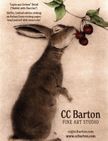
Although the breadth of C.C. Barton’s work incorporates different subject matter and conceptual elements, it all develops from her desire to produce art that incorporates reality infused with her imagination. “Wild places and habitats can be both vast and intimate, and I have always been compelled by the closer, more intimate view,” the artist shares. “My imagination is the most important tool in my kit. It informs every aspect of my work, from the elements of composition to the chose of colors on my palette and, finally, how I portray my chosen subject.”
Barton’s piece rabbit print, Lapin aux Grenades, is part of her Mastering the ‘Art’ of French Cooking series. “Looking through my copy of Julia Child’s classic Mastering the Art of French Cookingone day, I had the inspiration to combine images of live rabbits and other animals with the beauty of colorful fruits and vegetables, and give them lyrical French titles. And, as fresh ingredients and creativity come together to create the most exquisite dishes, this series was born.
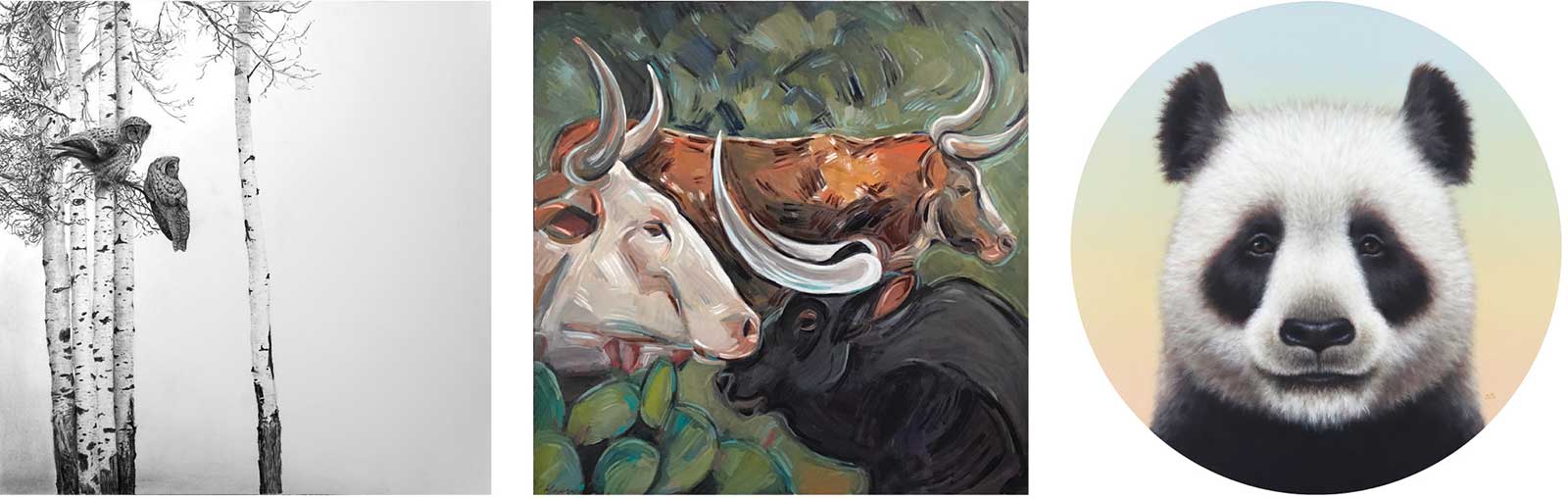
Waterfowl Festival, Bonnie and Clyde, graphite on board, 40 x 40 in., by Ray Brown; Catherine Massaro, Longhorn Meeting, oil on canvas, 48 x 48 in.; Sarah Becktel, Giant Panda, oil on panel, 16 in.
Artist D. Arthur McBride has always been fascinated by wildlife, even as a young child, which is probably why she majored in science in college. “But painting eventually became my true love,” she says. “With wildlife, I try to capture the animal’s essence; the touch of the fur or feathers; the light that plays upon them; and the detail—especially in significant areas near the focal point. I want the viewer to feel that they are right there viewing the scene. Lighting is something that constantly draws me in, both in my photography and in my painting. I seek out the best lighting conditions or create them in the painting to enhance it more. Color is also keen! I will throw in a touch of brighter color here and there—just a bit sometimes—to make the painting sparkle.”
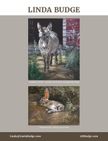
When Linda Budge was twelve, she knew she wanted to paint wildlife. Growing up surrounded by pine trees, clear lakes and fishing trips, the natural world imprinted itself on her imagination. “Over the years, my inspiration has shifted and deepened, shaped by each new landscape I’ve called home,” she notes. “Recently, after moving to Overgaard, Arizona, my studio window has become a gateway to daily wonder. A simple double paned glass separates me from the deer, and elk wander in to nibble on cracked corn. One morning, a delicate swirl of snowflakes drifting past the window sparked the creation of a deer in snow painting. By the time the storm eased, the painting was complete.”
Budge still finds endless joy in painting deer, elk and every form of fauna imaginable. “It brings such joy to me if someone smiles when they look at one of my paintings, perhaps reminding them of a place, a person or an animal that they cherished.”
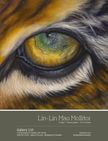
Lin-Lin Mao Mollitor emerged from a moment of recognition while she was drawing the animals of the Chinese zodiac. “As I focused on each eye—rabbit, monkey, rat and then snake—I realized that rendering these eyes felt strikingly similar to drawing a human eye: an orb, reflective and alive with light,” she shares. “That visual similarity led to a deeper awareness, that behind each eye is a conscious life perceiving the world in its own way.”
In the context of wildlife, this realization became profoundly meaningful. Animals are often seen as symbols, resources or distant others, yet the act of drawing their eyes revealed them to Mao Mollitor as individuals with presence and awareness. “The gaze of each animal suggests an inner life that exists independently of human perception, yet intersects with it in a moment of encounter,” says the artist. Through these paintings, I seek to invite viewers into that moment—to pause, meet the gaze and recognize the shared condition of consciousness that connects all living beings. Wildlife, in this sense, is not separate from us, but part of a larger field of awareness in which we all participate.”
Find Mao Mollitor’s work at Gallery 110 in Seattle, Washington. 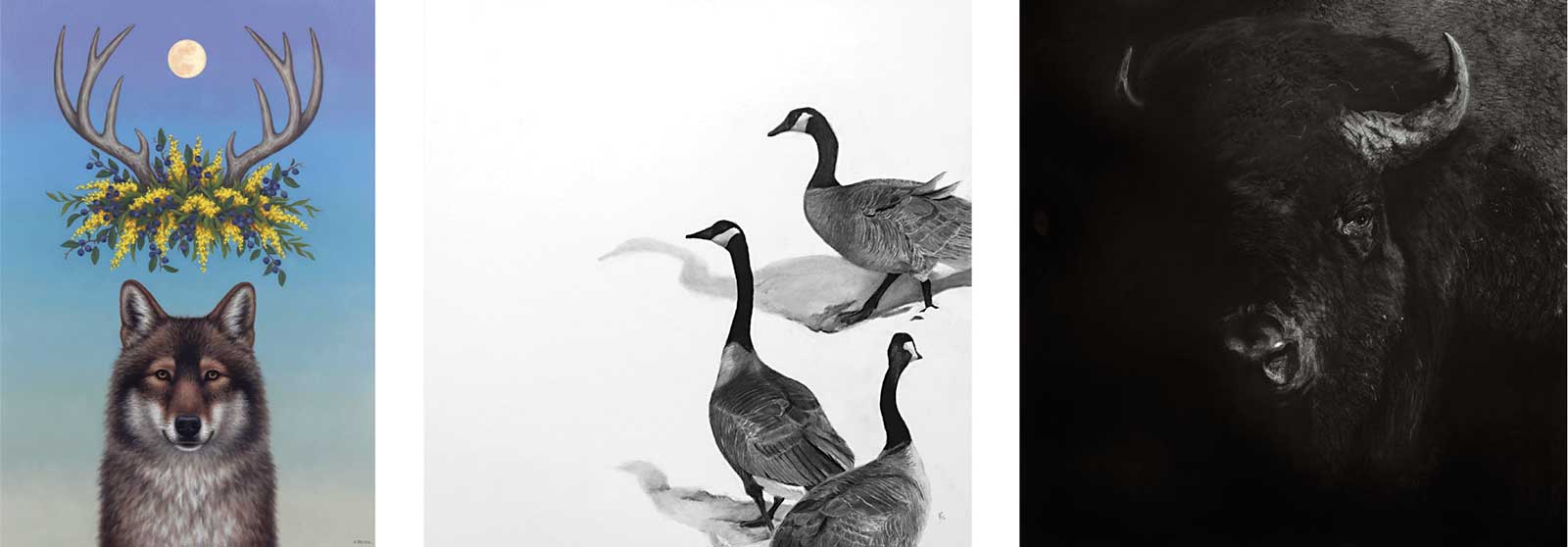
Sarah Becktel, Homecoming, oil on panel, 35 x 24 in.; Waterfowl Festival, Silly Geeze, graphite on board, 40 x 40 in., by Ray Brown; Waterfowl Festival, Confrontation, charcoal, paper on board, 30 x 30 in., by Ray Brown.
“My work is a glass-blown tribute to the rhythmic pulse of the Pacific Northwest,” says Andy Nichols, owner of Nichols Art Glass. “I am endlessly captivated by the life cycles of our native salmon, specifically that magical, harrowing transition they undergo as they migrate from the salt of the sea back to the rivers of their birth. To witness their colors deepen and their forms shift as they prepare to spawn, is to see nature’s own living artwork. In the hot shop, I strive to mirror that fluidity. Using the vibrant hues and flowing curves inherent to glass, I try to capture that unique energy of a marine species as they flow through our rivers’ currents. Every sculpture is an attempt to freeze a moment of that wild, iridescent spirit, honoring the grace and resilience of the species that define our rivers and oceans.”
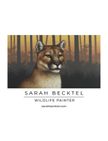
Sarah Becktel often paints animals in the format of traditional portraiture, showing head, neck and shoulders at life size. This scale creates a level of proximity that’s rarely possible in the wild and allows Becktel to capture nuances in expression and facial features that reveal the animal’s personality and individuality.
“When we encounter a wild animal in its natural environment, we’re only seeing a brief moment in a much larger life,” she elaborates. “It’s easy to read that moment as representative of the entire species, or to see the animal as a feature within the landscape rather than as an individual. But I’m interested in showing the depth and complexity we might see with more time and closer attention.”
When collecting wildlife artwork, Becktal shares that “it can be helpful to spend time looking beyond the initial impression. Some pieces are immediately striking, while others reveal themselves more gradually over time. A wildlife painting isn’t a photographic capture—it reflects what the artist chooses to include and emphasize. The work that continues to reveal secrets or surprise you over time is often the work that stays most meaningful in a collection.”
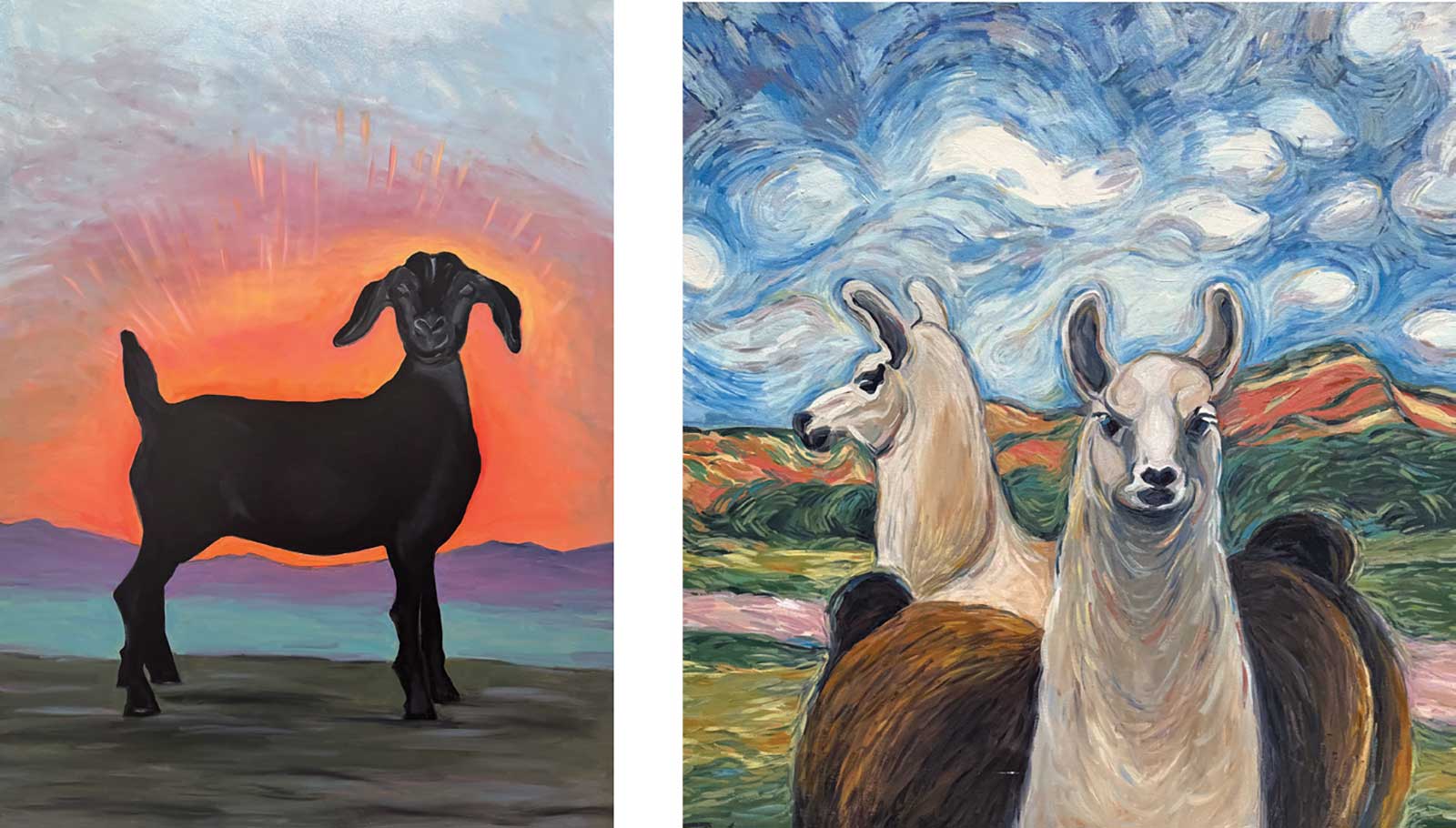
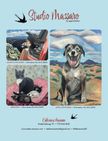
Catherine Massaro, Sunrise Goat, oil on canvas, 36 x 48 in.; Catherine Massaro, Coco & Snowball, oil on canvas, 48 x 48 in.
Catherine Massaro is a versatile painter whose work reflects a deep connection to nature and regional landscape. A graduate of the Kansas City Art Institute, she has been painting for over 50 years and is known for expressive landscape paintings inspired by the colors, light and expansive terrain of the American Southwest, particularly New Mexico. Her artistic practice spans multiple forms and materials, demonstrating technical range and sensitivity to place. Massaro’s work explores atmosphere, texture and shifting natural light, developing a distinctive visual language rooted in observation and environment. Featured here, are a few examples of Massaro’s wildlife scenery: Sunrise Goat, Longhorn Meeting and Coco & Snowball.
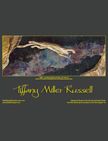
Tiffany Miller Russell uses specialty art papers, cut flat and then shaped by hand, to create sculpture that resembles painting, as seen in her colorful piece Return of the Monarchs. “Peering into a shadowbox evokes a heightened sense of reality and holds its own kind of magic,” says the artist. “My work celebrates the natural world and our relationship to it. Our cultures use symbols and mythologies as an attempt to harness and interpret wildness. Yet nature’s animals are unaware and indifferent to our stereotypes of them. Their world and emotional existence are rich without us; they live driven by their own motivations. Each different species and individual has its own unique story to tell; nature on its own proves more amazing than anything we can imagine.” —
Featured Artists & Galleries
Altamira Fine Art
172 Center Street, Jackson, WY 83001
(307) 739-4700, connect@altamiraart.com
www.altamiraart.com
C.C. Barton
Denver, CO, cc@ccbarton.com
www.ccbarton.com
Catherine Massaro
Fredericksburg, TX
studiomassarotx@gmail.com
www.studio-massaro.com
IG: massaro218
D. Arthur McBride Portrait Studio and Gallery
8703 FL-GA Highway, Havana, FL 32333
(850) 544-1944
www.darthurmcbride.com
FB: darthurmcbride
IG: d.arthur.mcbride
Linda Budge
www.lindabudge.com
Lin-Lin Mao Mollitor
www.linlinmao.com
IG: artistlinlinmollitor
Matt Patterson
www.mpattersonart.com
IG: stoneridgeartstudios
FB: stoneridgeartstudios
Nichols Art Glass
(541) 993-4022
nicholsartglass@gorge.net
www.nicholsartglass.com
Rehs Contemporary
20 W. 55th Street, 5th Floor New York, NY 10019
(212) 355-5710, info@rehscgi.com
www.rehs.com
Sarah Becktel
sarah@sarahbecktel.com
www.sarahbecktel.com
Tiffany Miller Russell
missraptor@deadraccoon.com
www.wildlifeinpaper.com
Waterfowl Festival
Easton, MD, (410) 822-4567
facts@waterfowlfestival.org
www.waterfowlfestival.org
Powered by Froala Editor