The art of still life painting takes everyday objects—often simple or seemingly mundane—and makes them alluring. Through carefully designing the composition, artfully arranging objects and adjusting lighting, scenes are distilled down to their most crucial elements so that each object is made into something wholly captivating. In this way, static scenes and inanimate objects are imbued with life.
The objects that artists choose to paint can also tell personal stories, or open windows into the past. An antique teapot. An old childhood teddy bear. A vase filled with your grandmother’s favorite flowers.
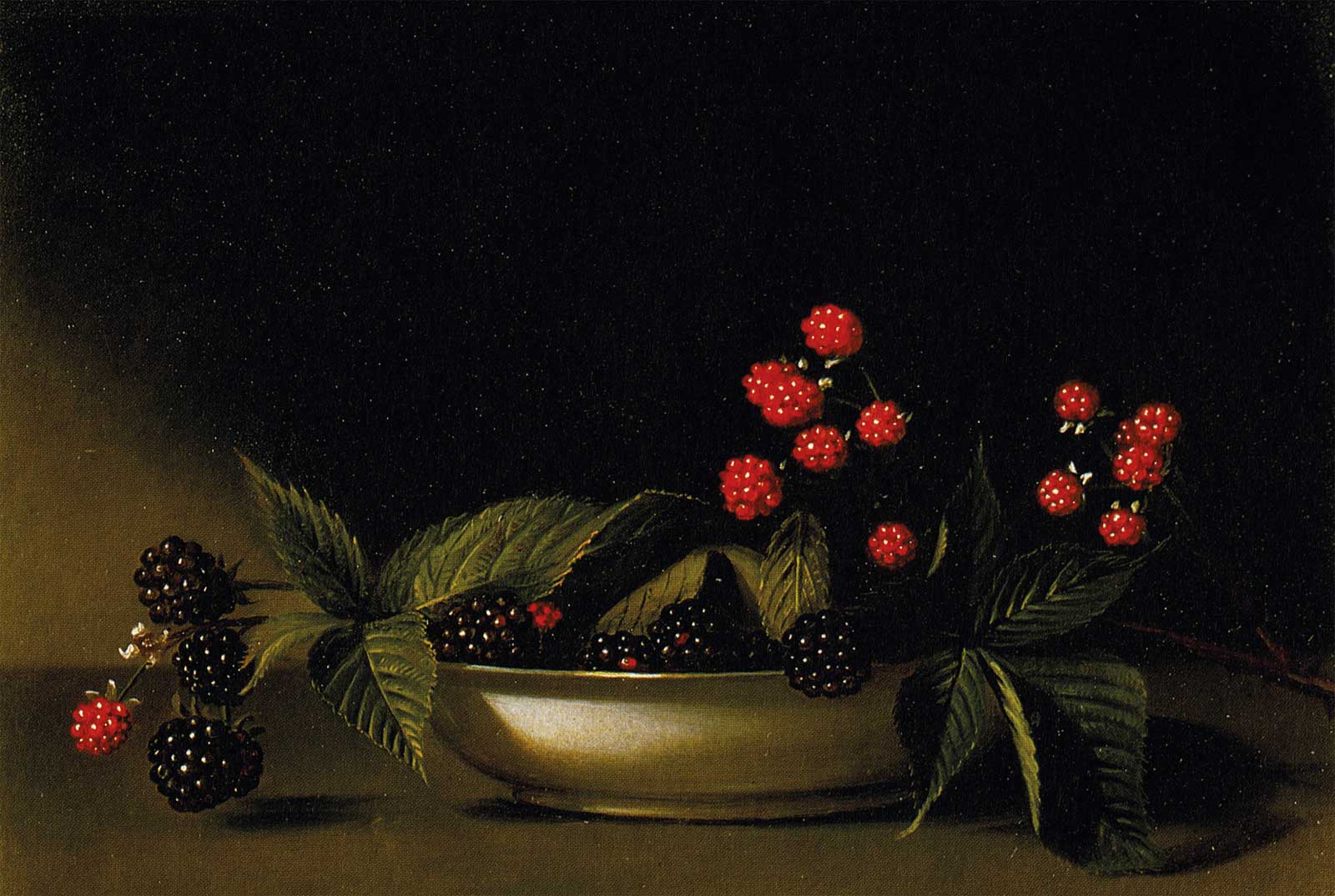
Raphaelle Peale (1774-1825), Blackberries, ca. 1813, oil on panel, 7 ¼ x 10 ¼ in. Philadelphia Museum of Art.
Fruits and florals are among the most commonly painted still life subjects. Perhaps it has something to do with our innate fascination and connection to nature—to things that make our anthropic lives feel more natural. In Severin Roesin’s 1853 oil Flower Still Life with Bird’s Nest, we see a menagerie of blooms nearly obscuring the glass vase in which they’re set inside. While the flowers are clearly arranged, there’s a wildness to the piece, almost like nature and human influence converging.
Often considered the first professional American still life painter, Raphaelle Peale’s circa 1813 oil Blackberries depicts a golden dish of blackberries, some in their unripened red form, along with the fruit’s deep, green leaves. Like many 20th-century still lifes, the piece was arranged and painted in dark lighting, lending a dramatic atmosphere to the overall composition. The darker backdrop also allows the vibrancy of the berries to stand out in contrast.
As you continue to pore through the pages of this collector’s focus, you will find a variety of still lifes to explore from modern-day artists. Some artists take on the challenge of capturing complex surfaces like glass or the texture of fabric, and others give dynamism to simple utilitarian objects like screwdrivers or spools of thread.
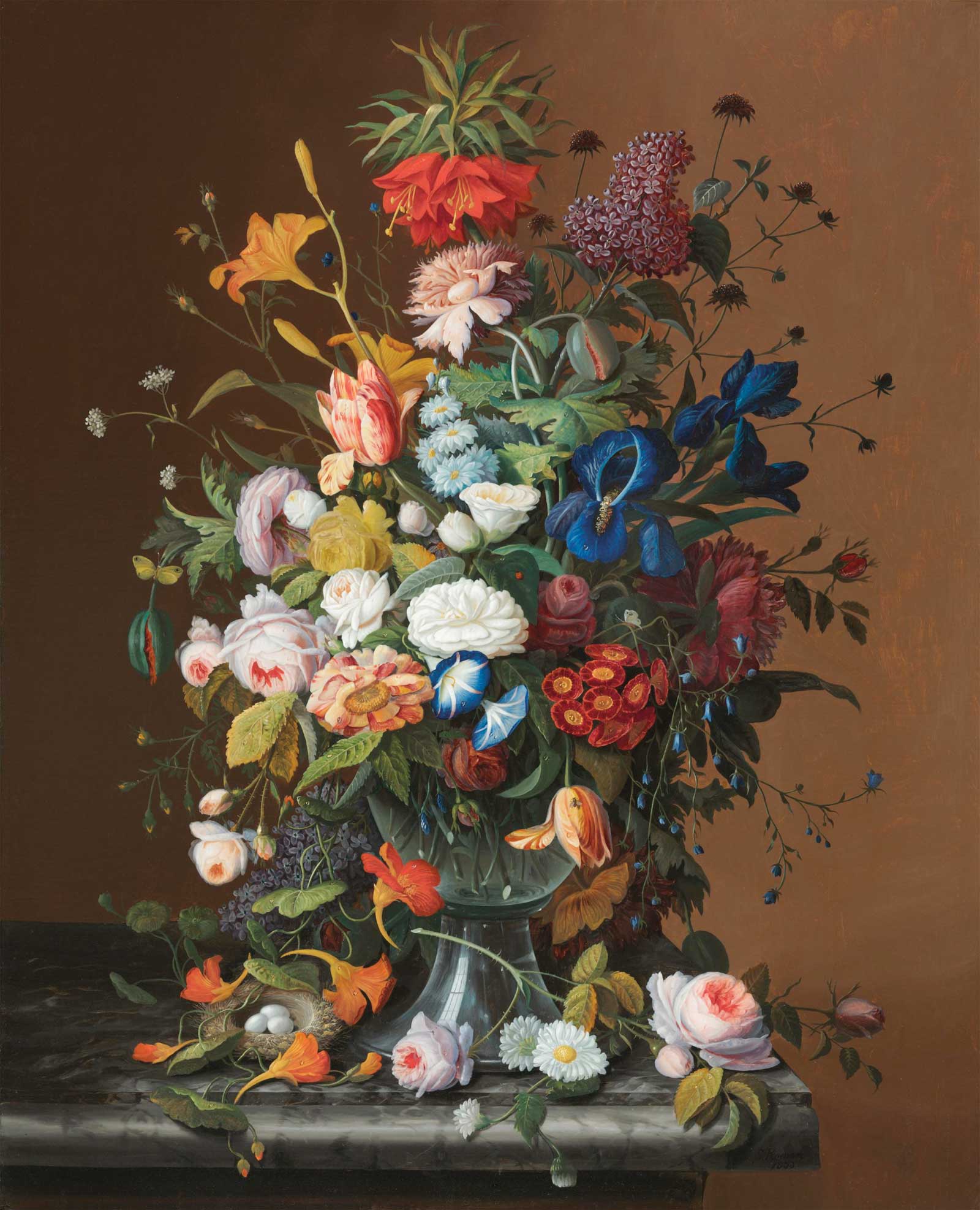
Severin Roesen (1816-1872), Flower Still Life with Bird’s Nest, 1853, oil on canvas, 40 x 32 in. Philadelphia Museum of Art.
Santa Fe-based painter Steve Smulka’s still lifes explore the drama of illumination, where color becomes atmosphere and space feels alive. The artist builds layers of translucent pigment to let the radiance breathe through the surface of the painting, dissolving edges and inviting the viewer’s eye to linger. “Each painting is a pause—stillness charged with movement—capturing the moment when light turns ordinary matter luminous,” Smulka says. “I seek balance, warmth and clarity, so the viewer experiences a state of meditation. My paintings are an invitation to rest, to notice and to be transformed within.”
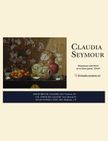
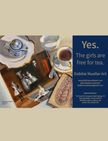
For soft scenes with a vintage feel, look to the art of Claudia Seymour, who works in oils and soft pastels. Committed to representational art, she uses light and color to emphasize the beauty in both everyday and rare, antique objects. The initial impetus for her recent painting Cotton, Wool, and Silk was a demonstration by painter Grace DeVito, who created a stunning organic still life out of natural cotton pods. In Seymour’s own piece, she used fresh cotton pods to create a formal still life with vintage Asian ceramics, a ball of knitting wool and a silk scarf. Her approach to City Flowers, Country Potswas the juxtaposition of sophisticated orchids displayed in informal, country cachepots, contrasting the elegant flowers with common containers. Collectors praise her paintings for their naturalistic, realist style, portraying beautiful objects rendered with care, accuracy and beautiful color. Her paintings will be exhibited at J.M. Stringer Gallery in Vero Beach, Florida, this February.
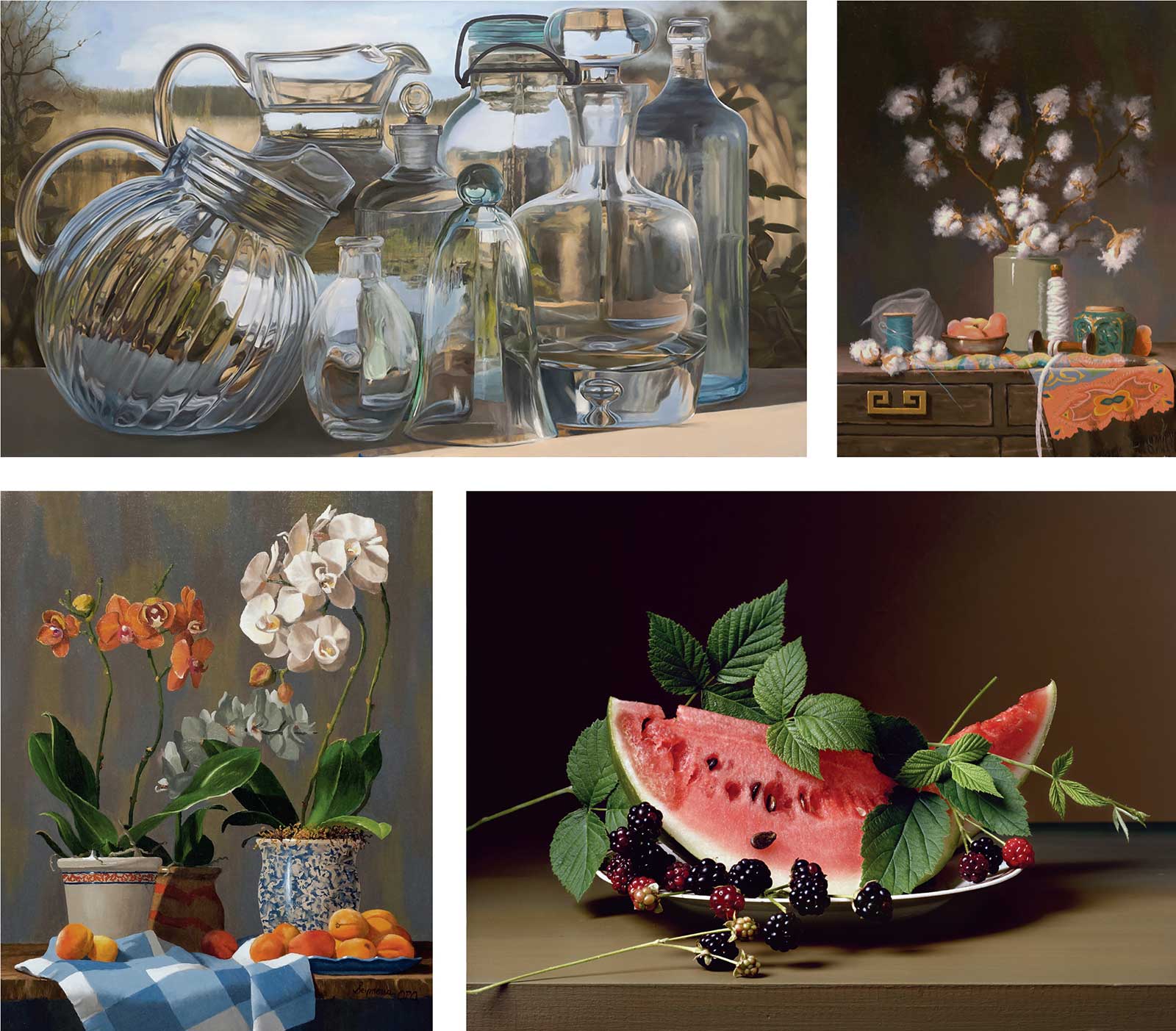
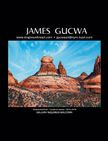
Top: Steve Smulka, High Desert Summer, oil on linen 28 x 50 in.; Claudia Seymour, Cotton, Wool, and Silk, oil on linen panel, 16 x 12 in. Bottom: Claudia Seymour, City Flowers, Country Pots, oil on linen panel, 18 x 14 in.; The Hyde Collection, Watermelon and Blackberries, from the series Early American, 2009, C print, 14 x 18½ in., by Sharon Core. Courtesy the artist.
As a “late bloomer” artist who began painting only a decade ago, Debbie Mueller has sought to educate herself through immersion in the work of painters she deeply admires. Her collection of art books quickly became an essential part of that process, learning from masters like Sargent, Hopper, Monet, Renoir and Zorn, whose influence continues to guide her practice.
“Several years ago, I made the intuitive decision to include an art book within one of my still life compositions. What began as a spontaneous inclusion soon revealed itself to be a meaningful artistic device—a way to pay homage to the great artists who preceded me, to learn from their vision through a form of contemporary master study, and to infuse my still lifes with layers of narrative and playfulness,” says Mueller. “These works have become a place where reverence meets play; where study, homage and creativity intersect. These paintings have [also] found particular resonance with collectors. They offer a dialogue between past and present—a way to experience the echo of a beloved masterwork while engaging with the perspective of a living, contemporary artist.”
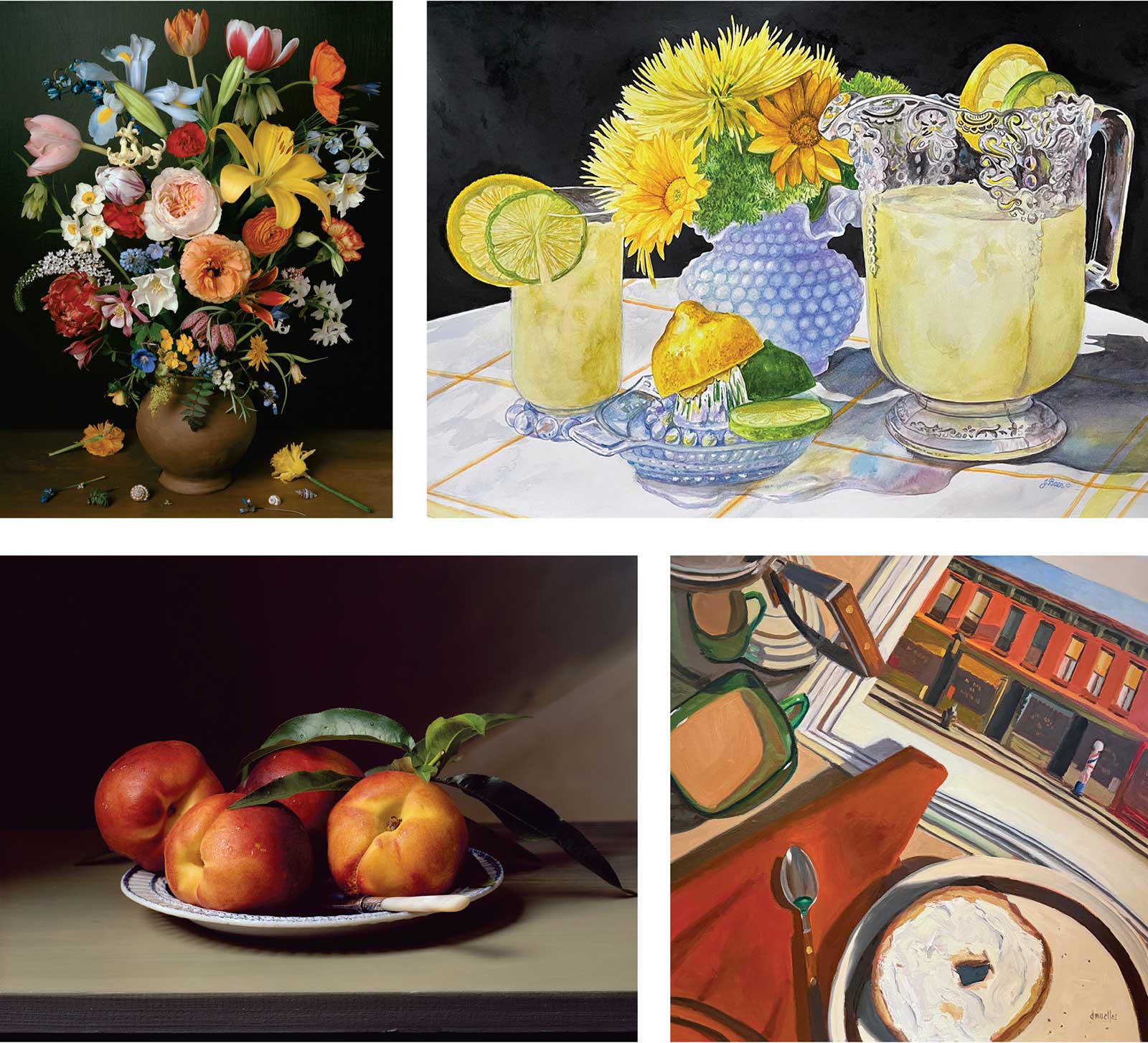
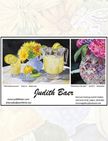
Top: The Hyde Collection, 1606, from the series 1606–1907, 2011, archival pigment print, 26 x 193/4 in., by Sharon Core. Courtesy the artist and Yancey Richardson Gallery, New York; Judith Baer, Old Fashion Summer, watercolor, 15 x 21 in. Bottom: The Hyde Collection, Peaches, from the series Early American, 2009, C print, 13¼ x 17½ in., by Sharon Core. Private collection; Debbie Mueller, Easy Like Sunday Morning, oil on panel, 24 x 24 in.
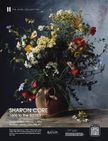
This winter season, the Hyde Collection in Glens Falls, New York, is hosting a vibrant series of exhibitions spotlighting the innovation and lasting influence of female still life artists from the 17th century to present day. Solo exhibitions by acclaimed contemporary artists Sharon Core, Nina Katchadourian and Tanya Marcuse reimagine traditional genres and challenge viewers to reconsider the boundaries between nature, illusion and perception.
Trained as both a photographer and painter, Core (whose works are featured in this special section) builds elaborate studio sets that meticulously reconstruct still life paintings by Rachel Ruysch, Pierre Auguste Renoir, Vincent van Gogh and others, with period props she collects and heirloom varieties of flowers grown in her greenhouse as her materials. Her piece Watermelon and Blackberries bears a striking resemblance to Peale’s Blackberries from more than two centuries earlier. Sharon Core: 1606 to the Sixtieswill be on view at the Hyde Collection through February 1.
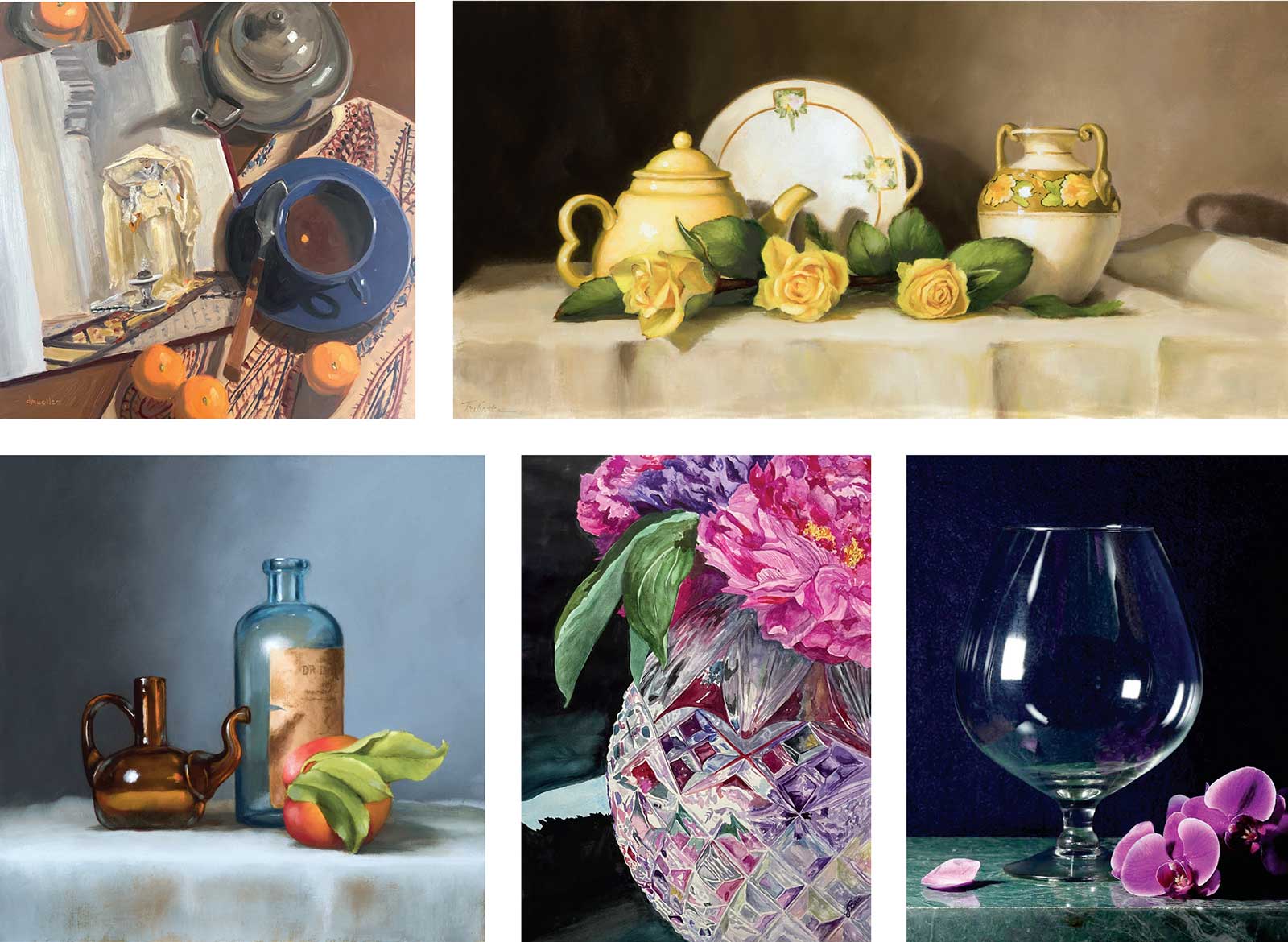
Top: Debbie Mueller, Redolence, oil on panel, 18 x 18 in.; Patricia Tribastone, Table of Yellows, oil on linen board, 10 x 20 in. Bottom: Patricia Tribastone, Tonics, oil on linen board, 12 x 12 in.; Judith Baer, Glistening in the Light, watercolor, 21 x 15 in.; Nancy J. Balmert, Crystal and Oriental Orchids, oil on canvas, 14 x 11 in.
“I enjoy observing details and taking the time to paint the beauty of the moment in a still life,” says Judith Baer. “In capturing the intimate passages of light and shadows, as well as the details of color playing off each other, I see the painting come to life. Working in both wet-into-wet and dry brush, my goal is to show the versatility of watercolor.”
Baer was inspired to paint Old Fashion Summer from the beautiful collection she inherited from her mother-in-law. “I fell in love with her 1930s handmade pressed glass pitcher and Candlewick glasses. I loved painting the pitcher and achieving the decorative, lacey effect, and the handmade thick handle. The Fenton White Milk Hobnail vase with the flowers finished the vintage still life set up when I put it on my mother’s 1950s tablecloth,” she says.
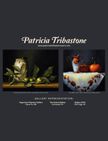
Inspiration for Patricia Tribastonecomes in myriad ways, from an old bottle to a vase of flowers. “Sometimes my work has a story to tell, giving the viewer pause for thought, but sometimes the message is just peacefulness,” she says. “Still life can be appreciated by the collector for the style and skill of the artist, the elements found in the still life or simply the play of light and color, giving them a moment to look and appreciate.” Tribastone is represented by Sugarman Petersen Gallery in Santa Fe, and the Oxford Gallery in Rochester, New York.
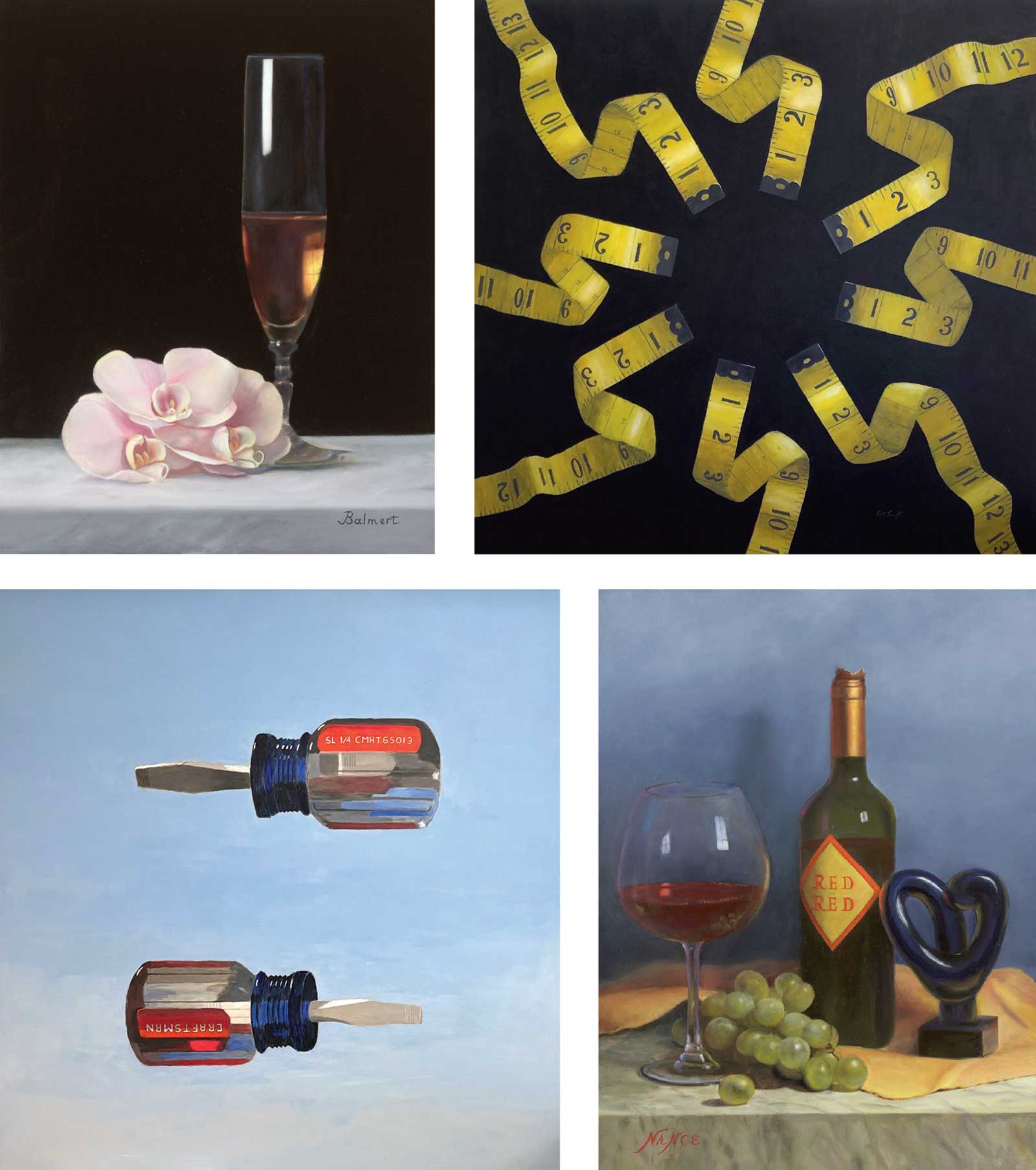
Top: Nancy J. Balmert, Orchids and Champagne, oil on canvas, 14 x 11 in.; Peter Swift, Measuring Tapes, acrylic on canvas, 60 x 60 in. Bottom: Peter Swift, Stub Screwdrivers, acrylic on canvas, 48 x 48 in.; Nancy J. Balmert, Red Red Wine, oil on canvas, 16 x 12 in.
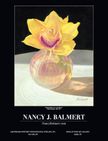
“I took up painting later in life and now it’s become a passion. I love everything about the process, starting with planning what to paint,” says artist Nancy J. Balmert. A frequent traveler, she takes an annual trip to photograph flowers at an arboretum in Canada for her large floral paintings. “In choosing the subjects of my still life paintings, I love things with sparkle and elegance such as fine crystal and orchids, which are a favorite flower we always keep on the table at home,” she says. “Sometimes flowers are found in surprising places, such as a yellow orchid sitting on the breakfast table at a hotel in New York City.”
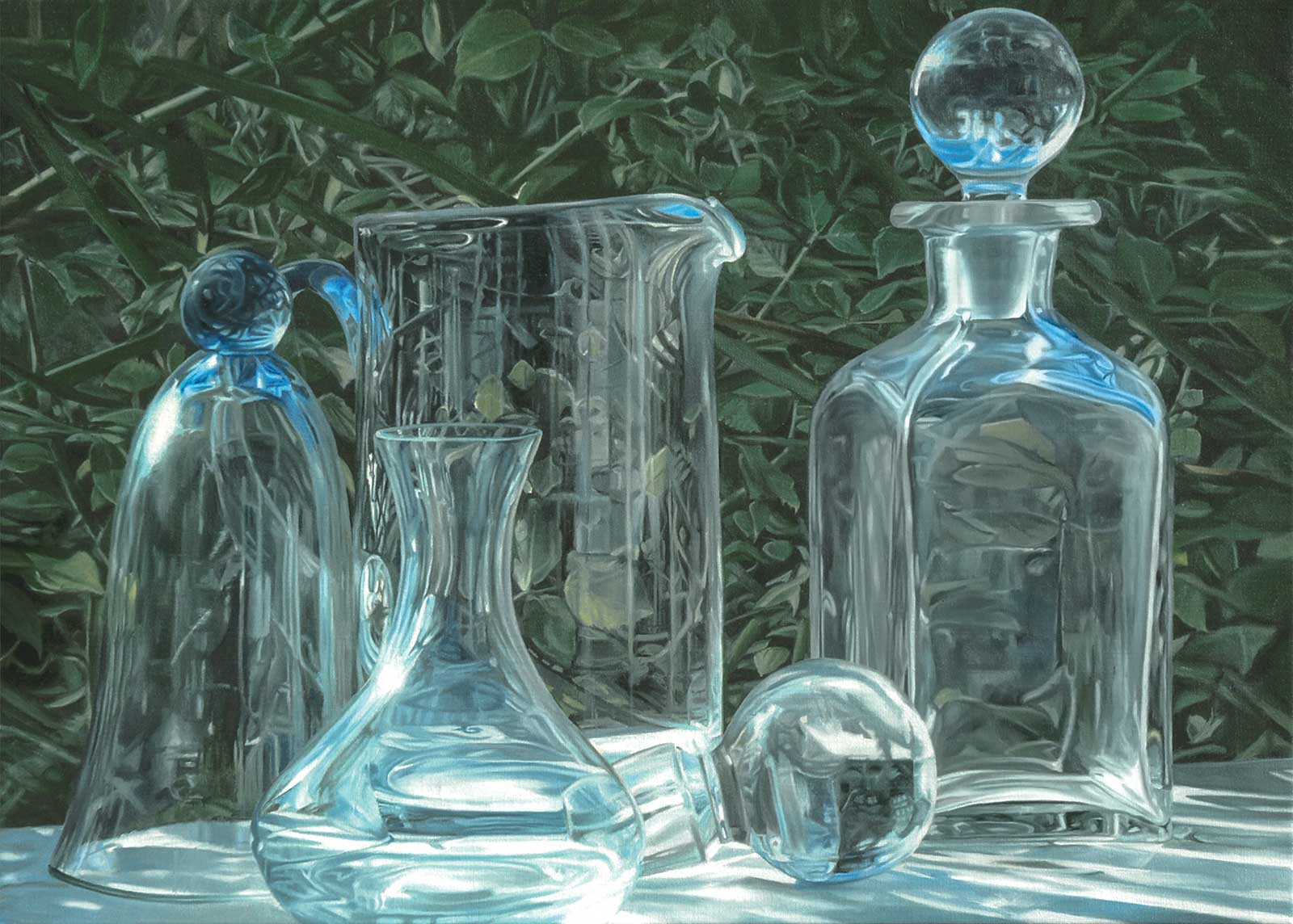
Steve Smulka, Ramble On, oil on linen, 20 x 28 in.
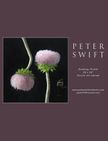
Peter Swift’s work combines both symmetrical design and classical realistic still life painting. He starts with the simple objects, forgettable objects that we see every day but usually don’t see at all, such as measuring tape and screwdrivers. “Symmetry is a fundamental underlying principle in art,” Swift adds. “However, over the past century, symmetry has been a factor for the most part only in abstract art, such as the work of Josef Albers and Frank Stella. My work is unique in that I arrange realistically painted objects into symmetrical designs.” Swift is represented by Touchstone Gallery in Washington, D.C. —
Featured Artists & Galleries
Claudia Seymour
claudiaseymour@aol.com
IG: claudia.seymour.art
Debbie Mueller
debbiemuellerart@gmail.com
www.debbiemuellerart.com
IG: thelatebloomerartist
Judith Baer
jhbstudio@earthlink.net
www.judithbaer.com
Nancy J. Balmert
www.nancybalmert.com
Patricia Tribastone
www.patriciatribastoneart.com
Peter Swift
www.peterswiftartstudio.com
pswift73@icloud.com
Steve Smulka
Santa Fe, NM
(914) 588-7631
www.stevesmulka.com
The Hyde Collection
161 Warren Street
Glens Falls, NY 12801
www.hydecollection.org —
Powered by Froala Editor