The photographer William Henry Jackson and the painter Thomas Moran accompanied the Hayden Expedition to Yellowstone in 1871. Their teamwork resulted in photos and paintings that helped convince Congress to name Yellowstone the country’s first national park in 1872.
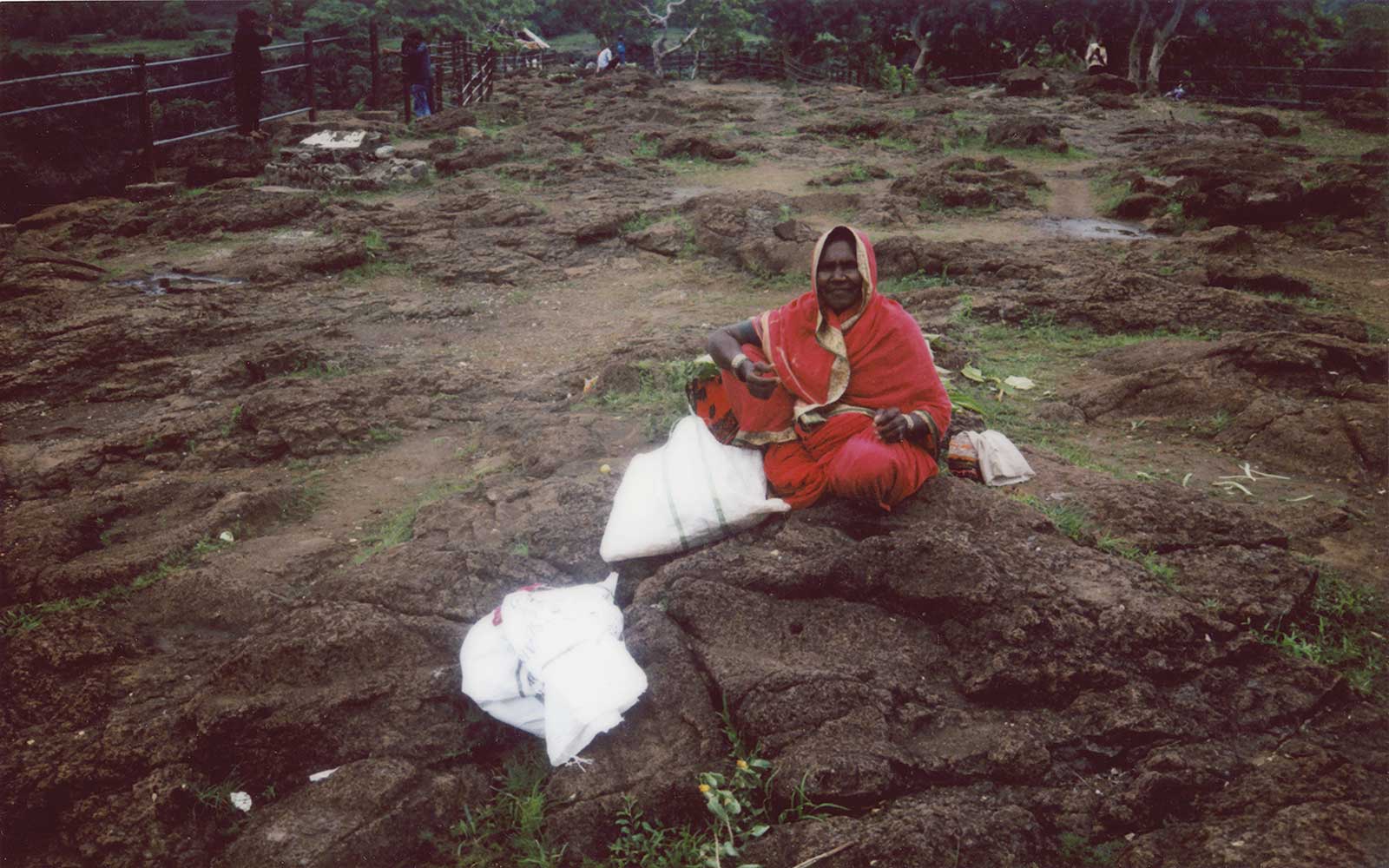 Ajanta, 2023, Instax print, 3 x 4"Today we take our smart phone out of our pocket, take a photo of Yellowstone and send it to a friend on the opposite side of the earth in a matter of seconds. Jackson (1843-1942) traveled with a mule he named “Hypo” after a chemical used in the developing process. Hypo was laden with tripods, cameras, glass plate negatives, a portable darkroom and bottles of photographic chemicals.
Despite the availability and ease of smartphones and digital cameras, some artists today are bringing back the old cameras and developing processes.
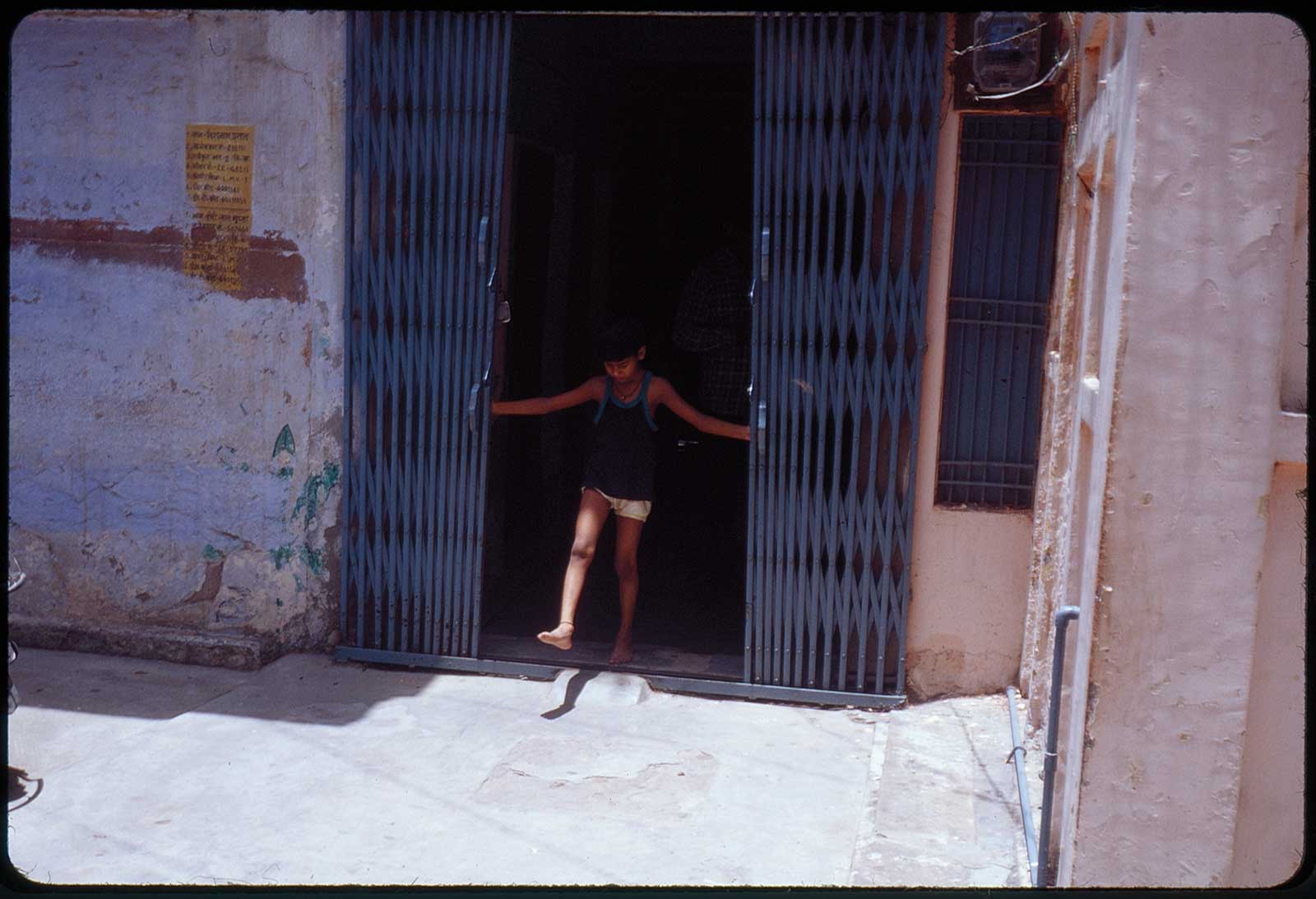 Banaras, 2022, 35mm slideConor Martin shoots portraits on the streets of Santa Fe, New Mexico, with a 4-by-5-inch view camera. He processes tintypes in a makeshift darkroom in the back of his pickup truck “with a cardboard box and a lot of black cloth,” he explains. “It can be challenging but it also gives me mobility and allows me a more spontaneous and informal approach.”
He has also traveled through India with his friend Vibhav Kapoor documenting, as Kapoor describes, “sacred spaces and ancient temples to participate in what is known in this Hindu tradition as darśan (‘to see divinity’).” They have produced a limited-edition book, India-First,with 108 pairings of photos each took with their shared camera. “The photographs are accompanied by mantras, shlokas derived from scriptures, and original text written by us, emphasizing the spirit of India and the power of faith,” Kapoor explains. Martin and Kapoor met at the Rochester Institute of Technology in New York in 2021, and share not only an interest in photography but, as Martin says, “a personal, spiritual and religious inclination that is foundational to our art. We were sharing a camera most of the time in India, so the book is about shared vision. It’s not important who took each image.”
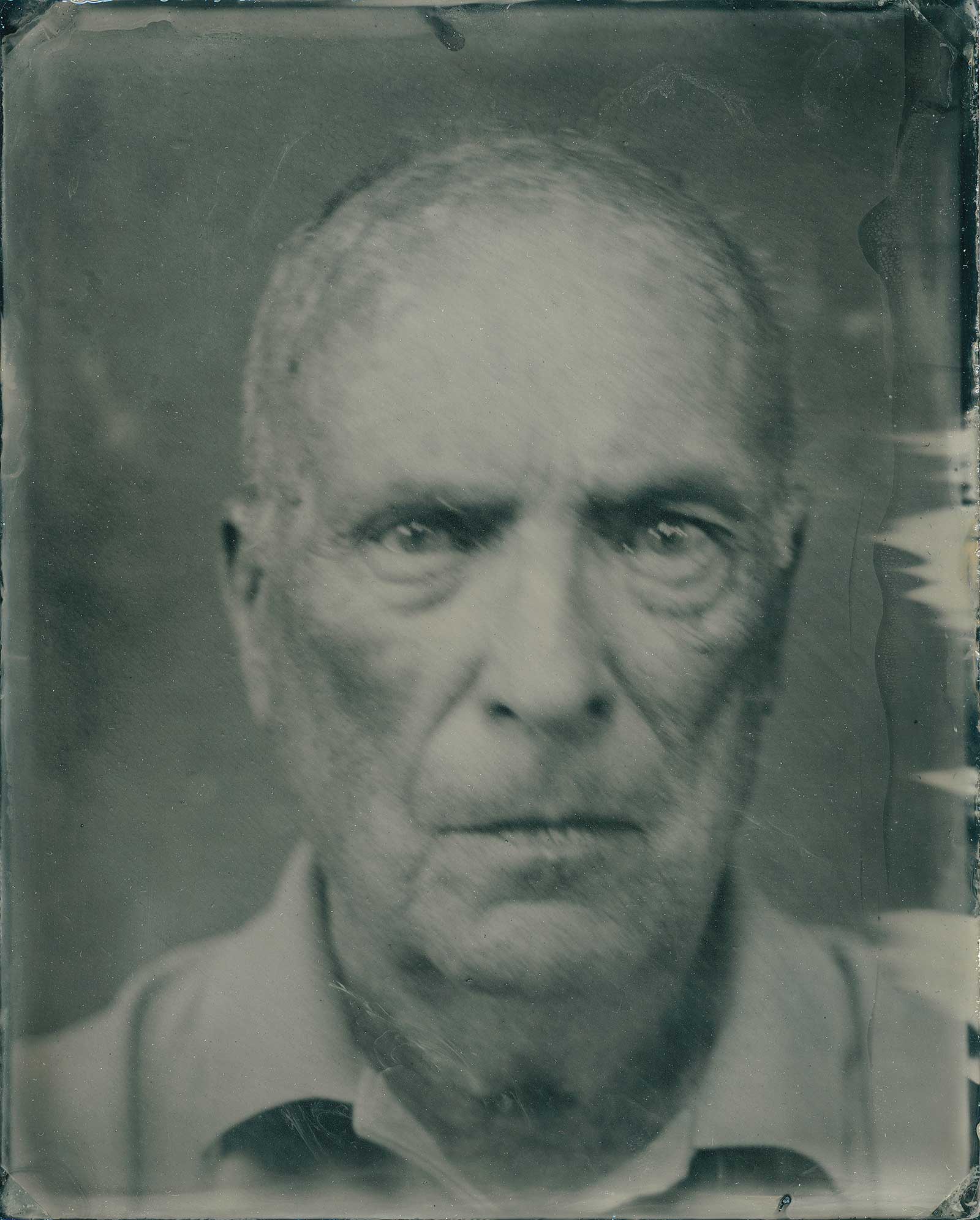 The Critic, 2024, tintype, 4 x 5"
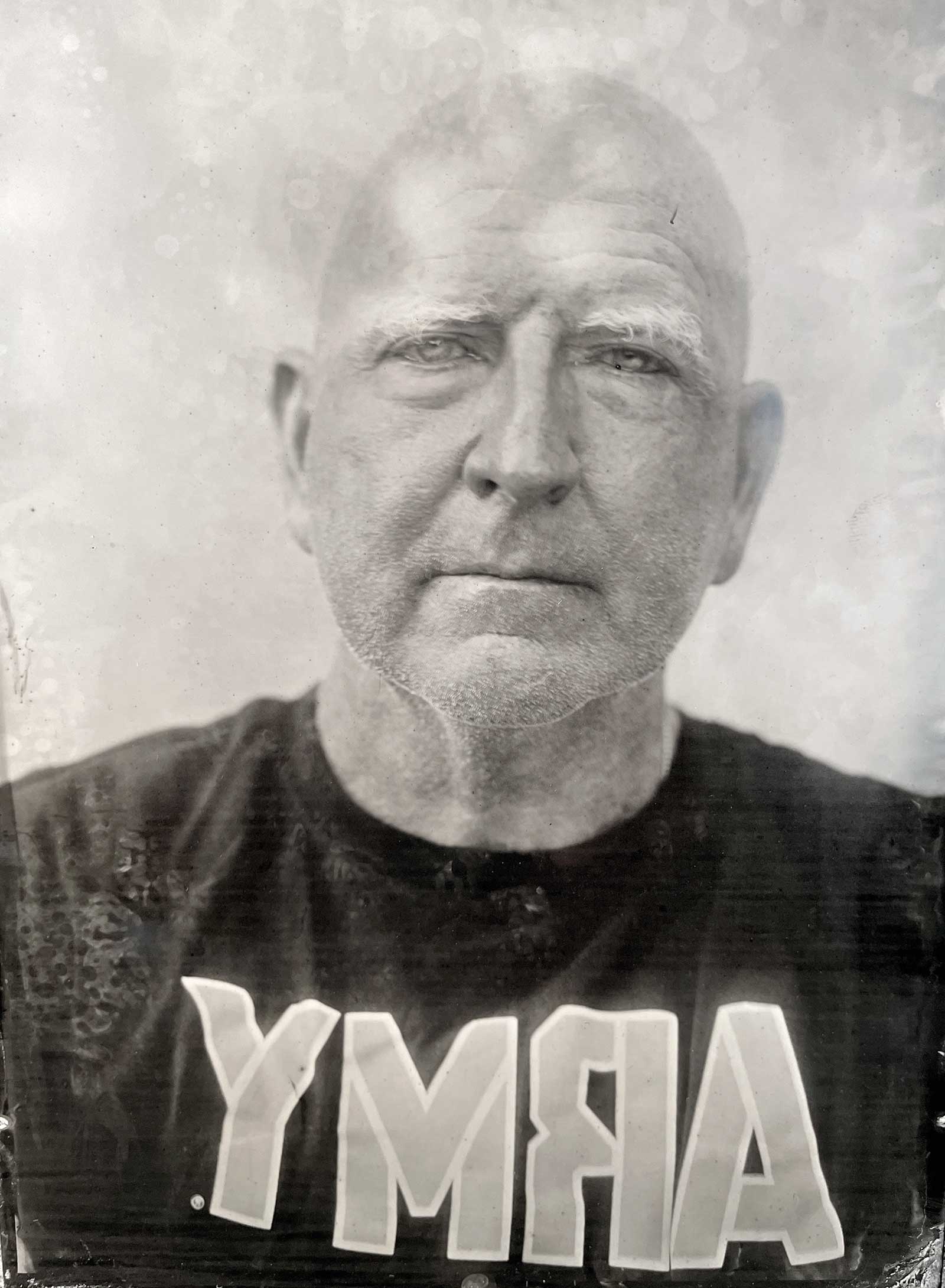 Gregg, 2022, tintype, 5 x 7"
Martin explains, “I started photographing in high school in black and white with a Minolta brick my grandfather got in Vietnam. It had no light meter and shooting, developing the film and printing the pictures really taught me about photography and light. Since then, I’ve tried to use cheap but reliable cameras. I think it’s important to not be dependent on a specific tool. That being said, I love the Fuji Instax camera and have shot with it for a long time. It’s a magic machine when you are in a country and can’t speak the language. Color contains the full power of realism. It’s sensuous, formal and full of cultural information. But black and white is the mother tongue and it will never go out of style. It’s like drawing, just about the image. There is nothing to hide behind. I am always doing both simultaneously.
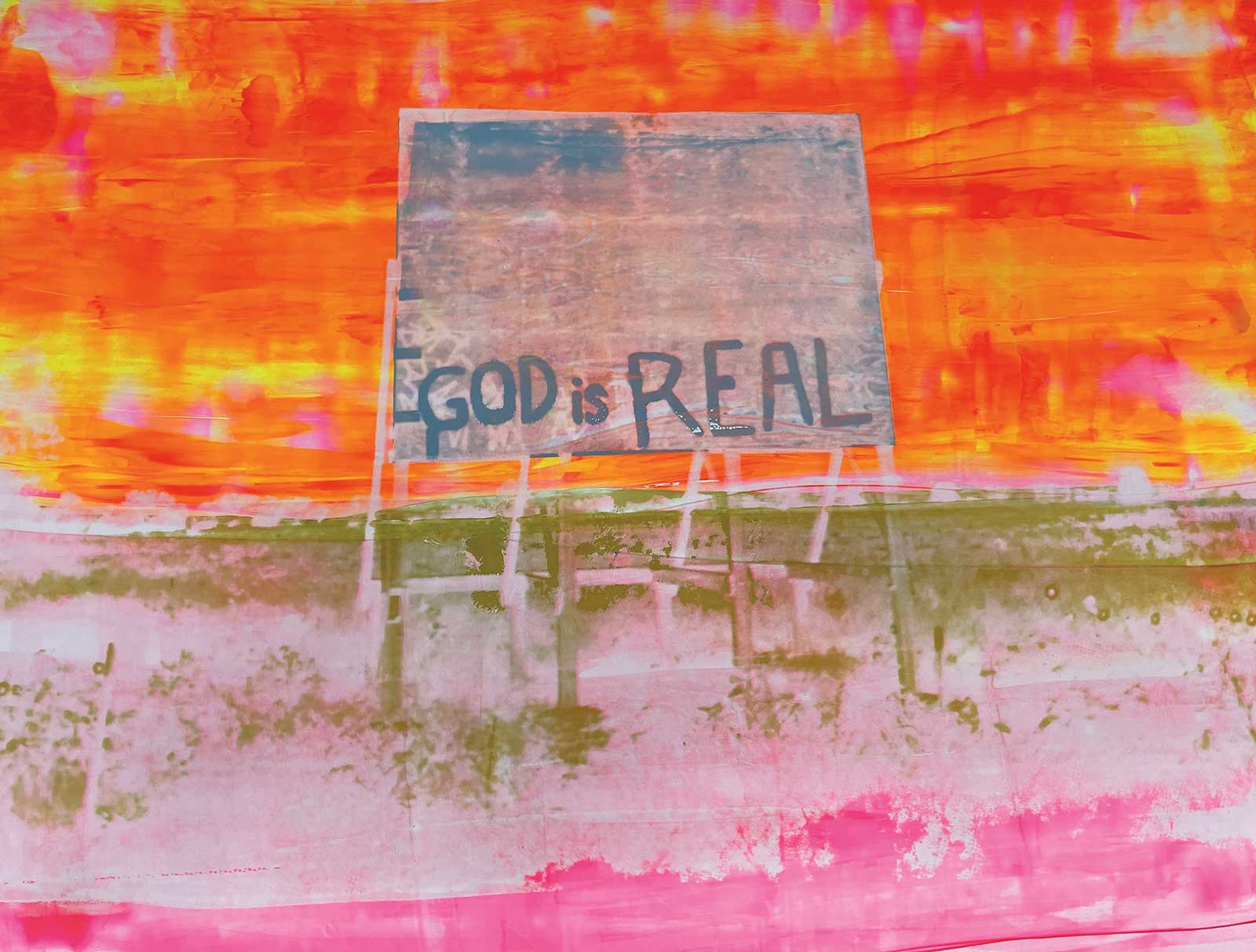 God is Real, 2022, screenprint, 20 x 30"
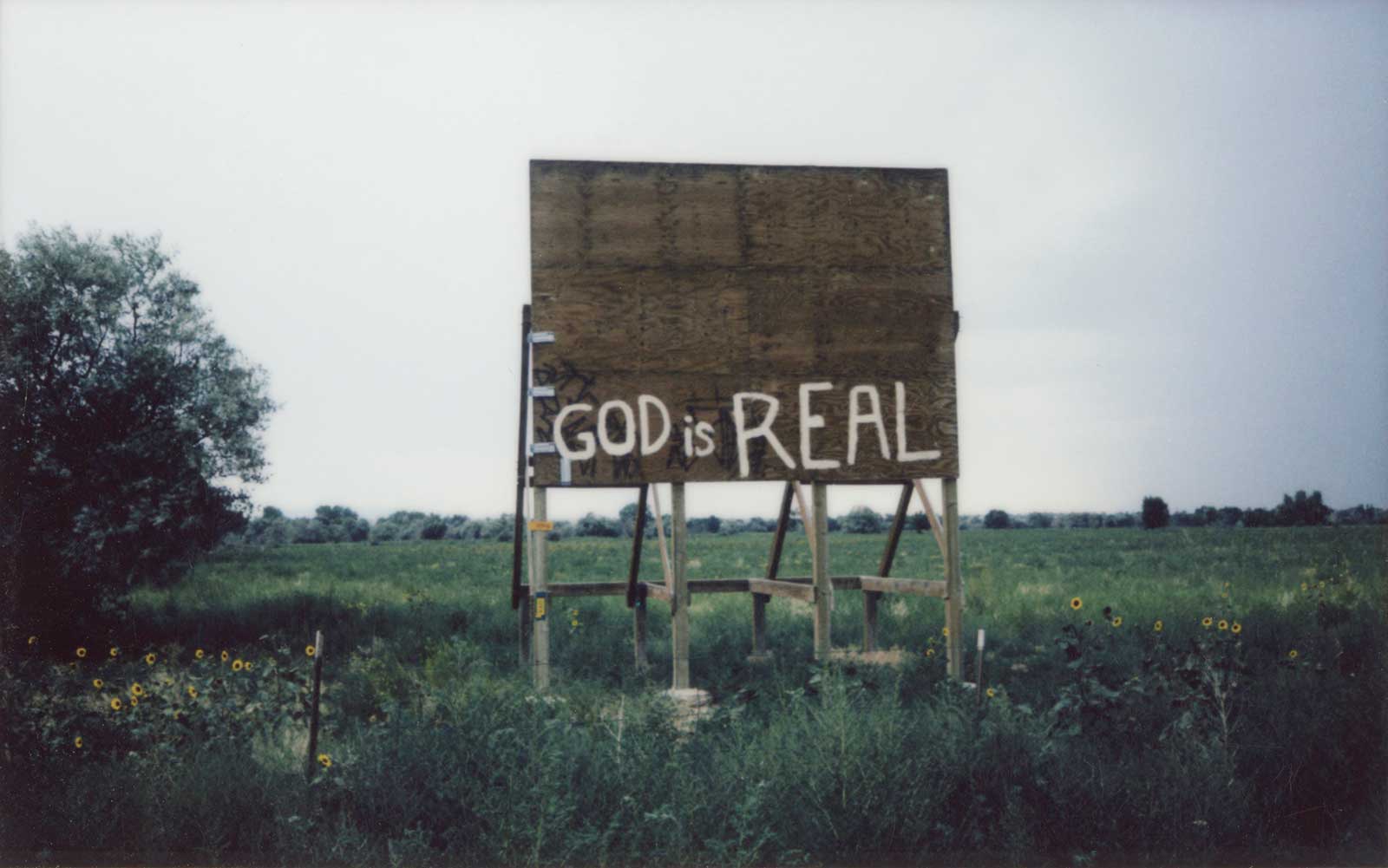 God is Real, 2021, Instax print, 3 x 4"
“In college,” he continues, “I learned screen printing and I think about it all the time. It allows you to translate photographs in a painterly and expressive way. I’m developing my own language and themes. Printmaking is a way to go beyond the photographic likeness and the boundaries of the frame.
“The God is Real screenprint is a way for me to reinterpret my own imagery. That was a highway sign in Pueblo, Colorado. I love the interplay between fact and symbol. Signs are screaming at that intersection—that whole form/content thing. I wanted to have fun and make this more graphic and less document. It’s fun to bring new life to an image, an interesting challenge to change feeling or meaning. That’s what that picture is about. It’s what a lot of my printmaking is about.
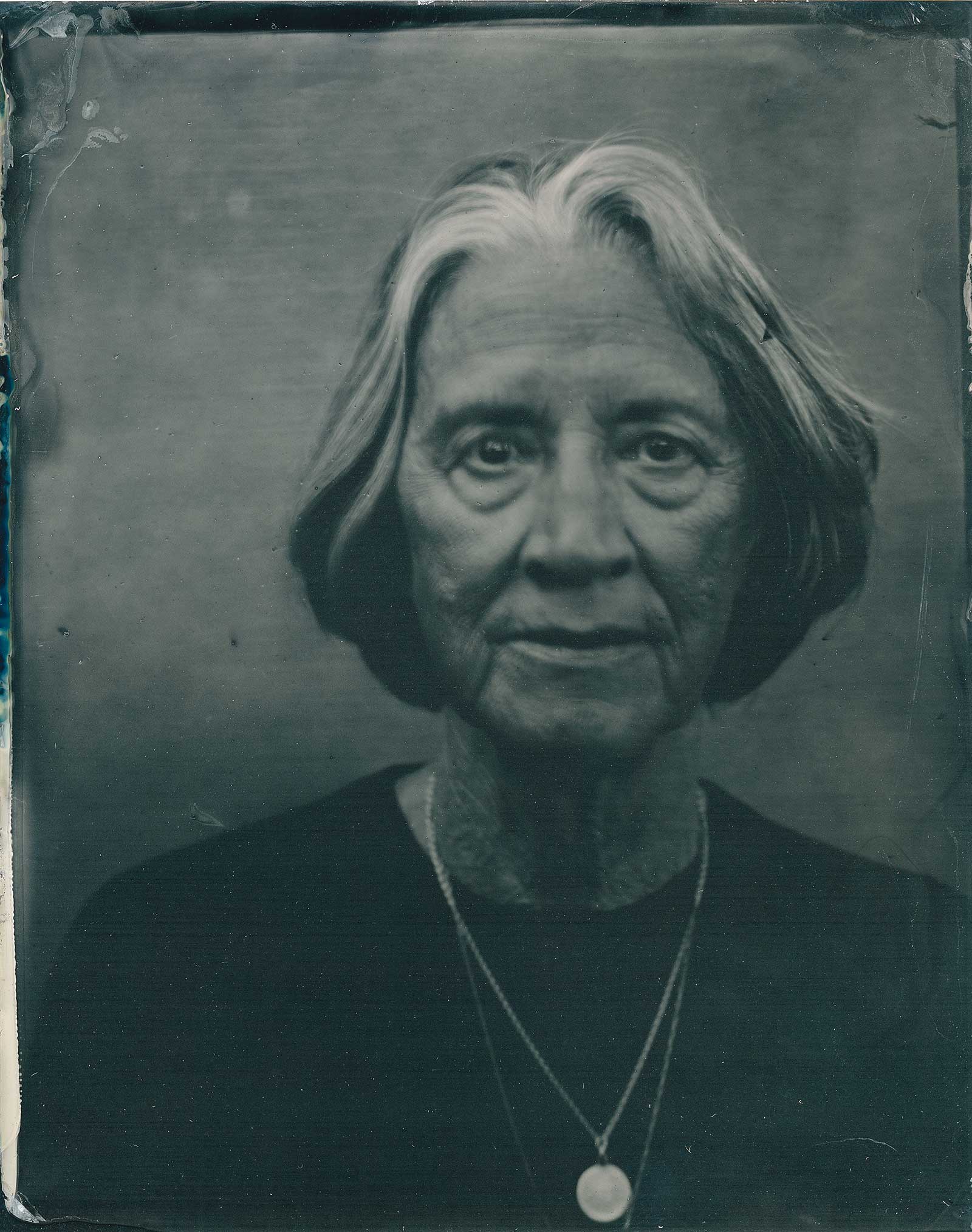
Mother, 2024, tintype, 4 x 5"
“The last few years I’ve been doing collodion with a view camera on a tripod—landscapes still lifes and mostly portraits,” Martin continues. “It brings a lot of these things together. The wet plate process is a performance totally about the moment and the tintypes are one of one. With collodion you have to have technical competence, but you also have to embrace the chaos of the process. It’s a beautiful and humbling dance.”
Tintypes are instant photographs made with silver and collodion on metal. You can also use glass and make a negative called an ambrotype. Dating back to the 1840s, it was the first high-fidelity photographic process that allowed one to make multiples from a glass negative which basically has no grain.
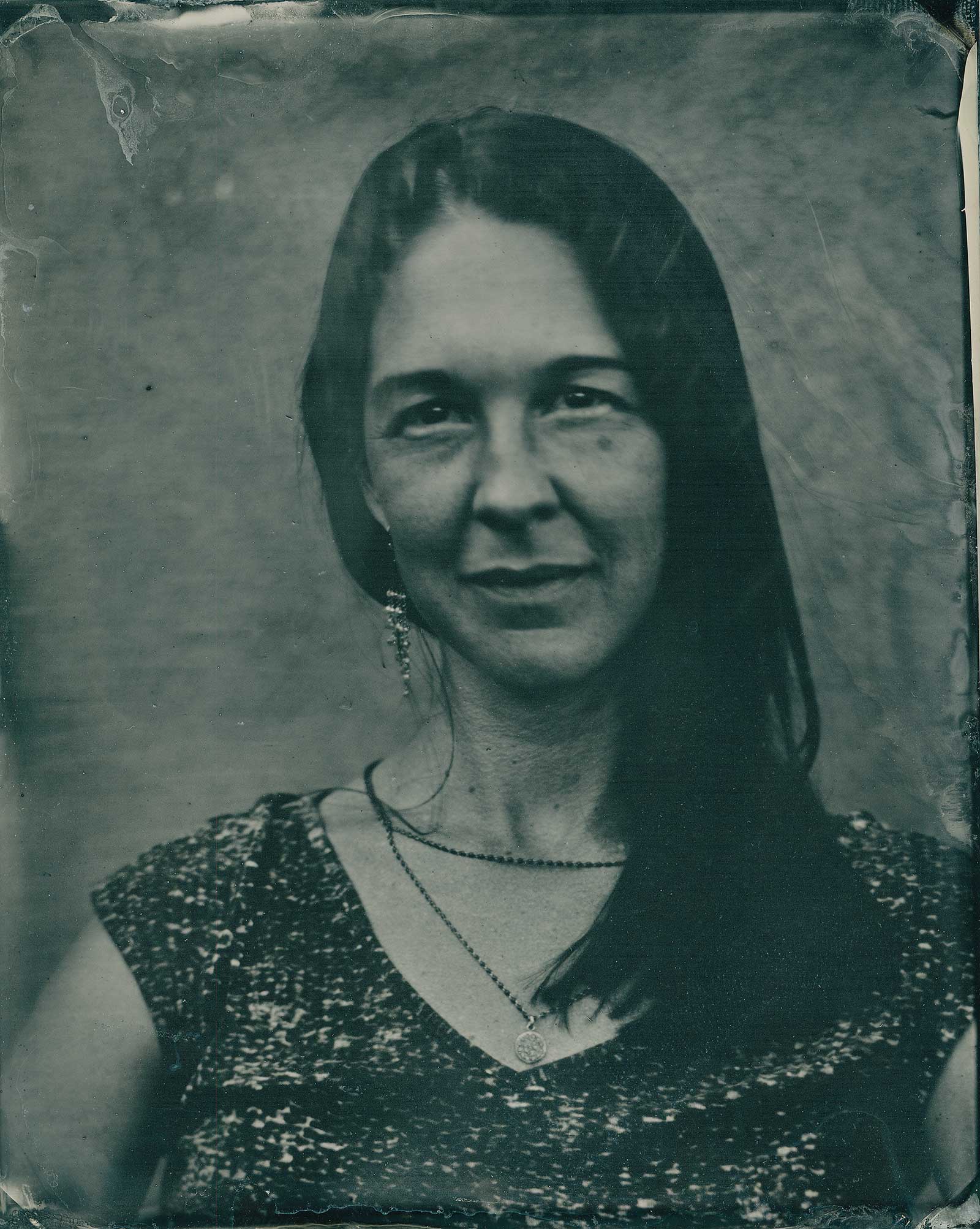
Daughter, 2024, tintype, 4 x 5"
“The photographer has to prepare each plate individually and shoot it while it’s wet so the whole thing is a time sensitive interactive performance,” explains Martin. “The chemistry also demands longer exposure times, generally several seconds, so portraits have an uncanny sense of compressed time. Each picture is a unique object with a striking presence.
“Collodion is sensitive only to UV light so it works best outside in natural light. You can use special strobes to control the exposure, but I find it takes away the feel of what makes the process beautiful—which has something to do with the longer exposure times. The 4-by-5 camera with a lens that allows me to get in close to people makes a very intimate portrait.”
I had been admiring Conor’s collodion portraits, landscapes and still lifes when he asked me to sit for a portrait. Since I’ve sat for painted and photographic portraits since I was a boy, I decided, this time, not to put my best face forward. I’m always told that I frown and decided to let Conor and the camera capture that. Thus, The Critic.
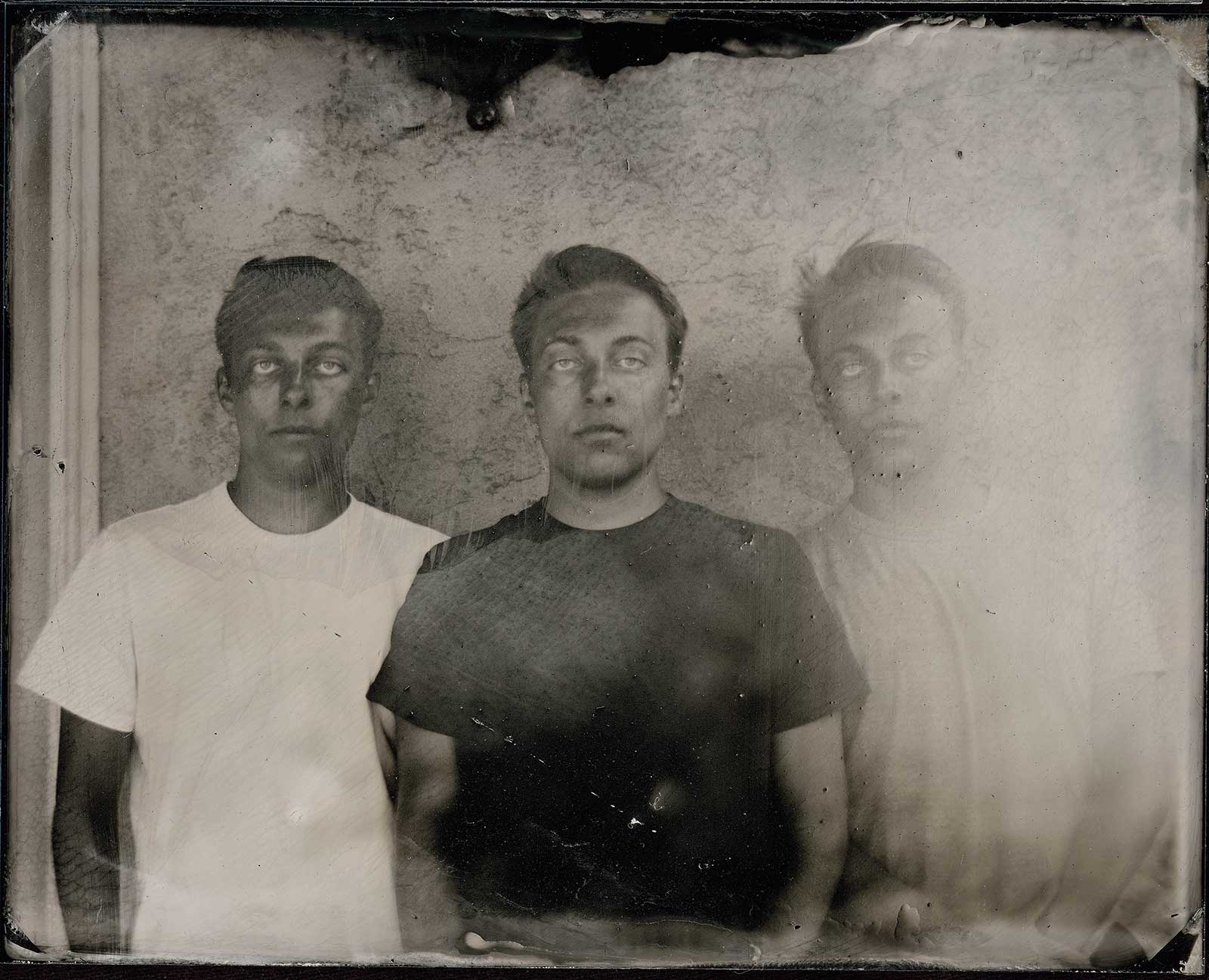
Triplets, 2024, tintype, 4 x 5"
I’m honored to be among his other subjects including Gregg, his father, a retired U.S. Army major general and the author of Bipolar General: My Forever War with Mental Illness.
Recently, Conor has been “setting up the 4-by-5 outside a bar in Santa Fe and sharing the tintype process with people. These two women, mother and daughter, were amazing—very focused and serious temperament and very nice. I really enjoy the study of character and genetic inheritance. It’s in a similar vein to the Triplets. They’re like three faces of a single being. I couldn’t resist the opportunity to take that picture with the Instax and as a tintype.”
Martin embodies an idea from one of the photographers he most admires. The street photographer who didn’t want to be known as a street photographer, Garry Winogrand (1928-1984) wrote, “I like to think of photographing as a two-way act of respect. Respect for the medium, by letting it do what it does best, describe. And respect for the subject, by describing as it is. A photograph must be responsible to both.”
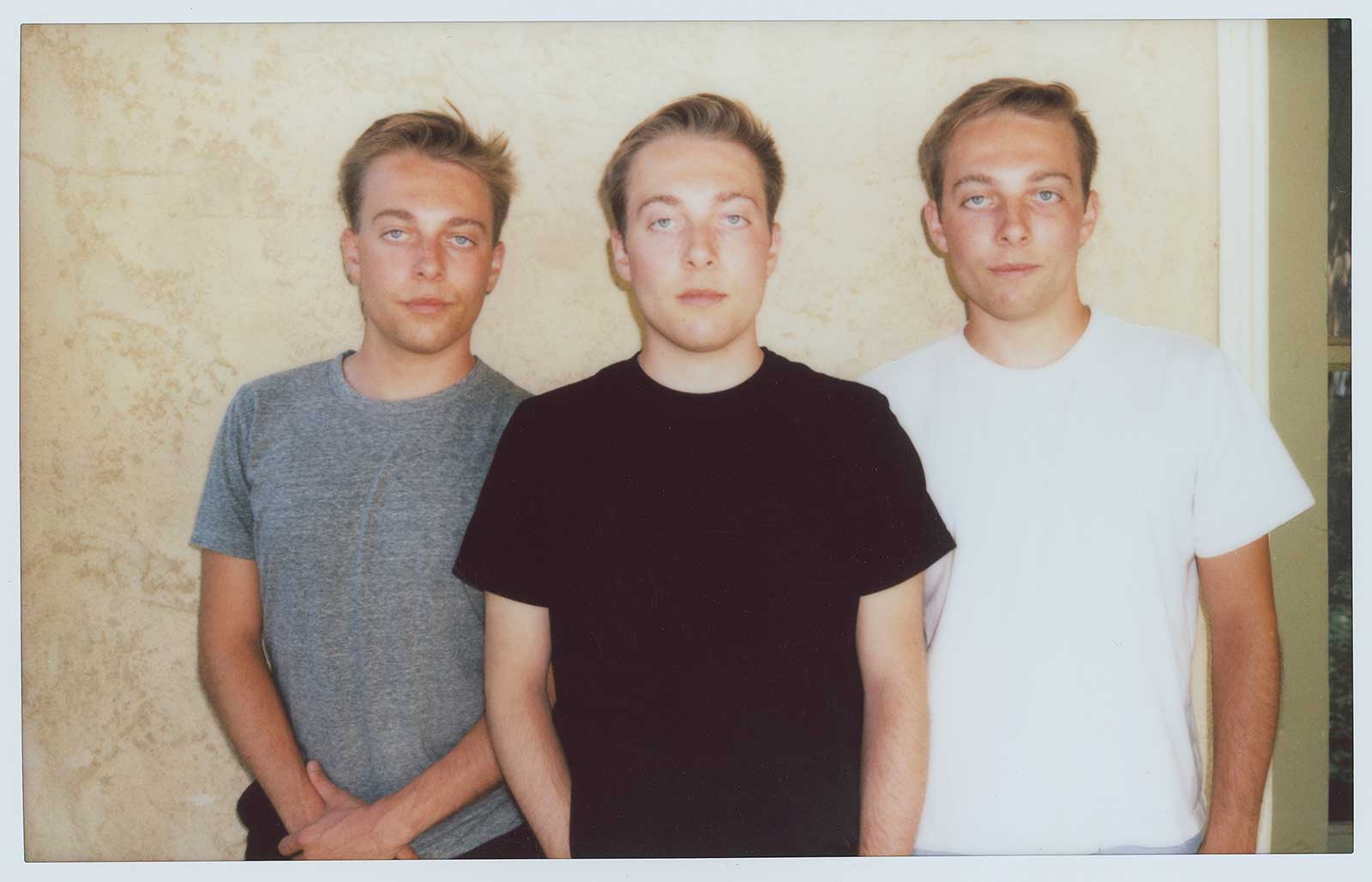
Triplets, 2024, Instax print, 3 x 4"
In his limited-edition book LA/CA, Martin writes, “A love letter to the gilded and floral city of Los Angeles. The camera is a small mirror held up to a huge place. It finds harmony in observation and meditation and it is objective before both beauty and pain. We note the brilliance of dust on sunlight but it’s the overcast days that show true colors. Photography bears witness to the changing form of our lives, the dignity and the absurdity. Taking pictures is about paying attention to the way things are. It’s about getting up and moving around and seeing the essence which moves all things.
“The photographs are just a happy result of practice. And there are so many beautiful palms.” —
Powered by Froala Editor