In March of 2023, Winston Stemler was looking for inspiration for his next film project and decided to visit the Getty Museum. He didn’t have anything specific in mind but he had always been intrigued by the idea of filming a love story inside a museum. Wandering around, he stumbled upon an exhibition of the French Impressionists. He was stopped in his tracks by one painting in particular—Renoir’s La Promenade, which depicts a young couple walking along a forest path holding hands.
“To me this is the seed of the short film,” says Stemler, who wrote and directed Movement, Light, and Life,scheduled for release this month. “As soon as I saw this painting, I knew that I wanted to capture all its qualities—its setting, its painterliness and the romance between the two characters.”
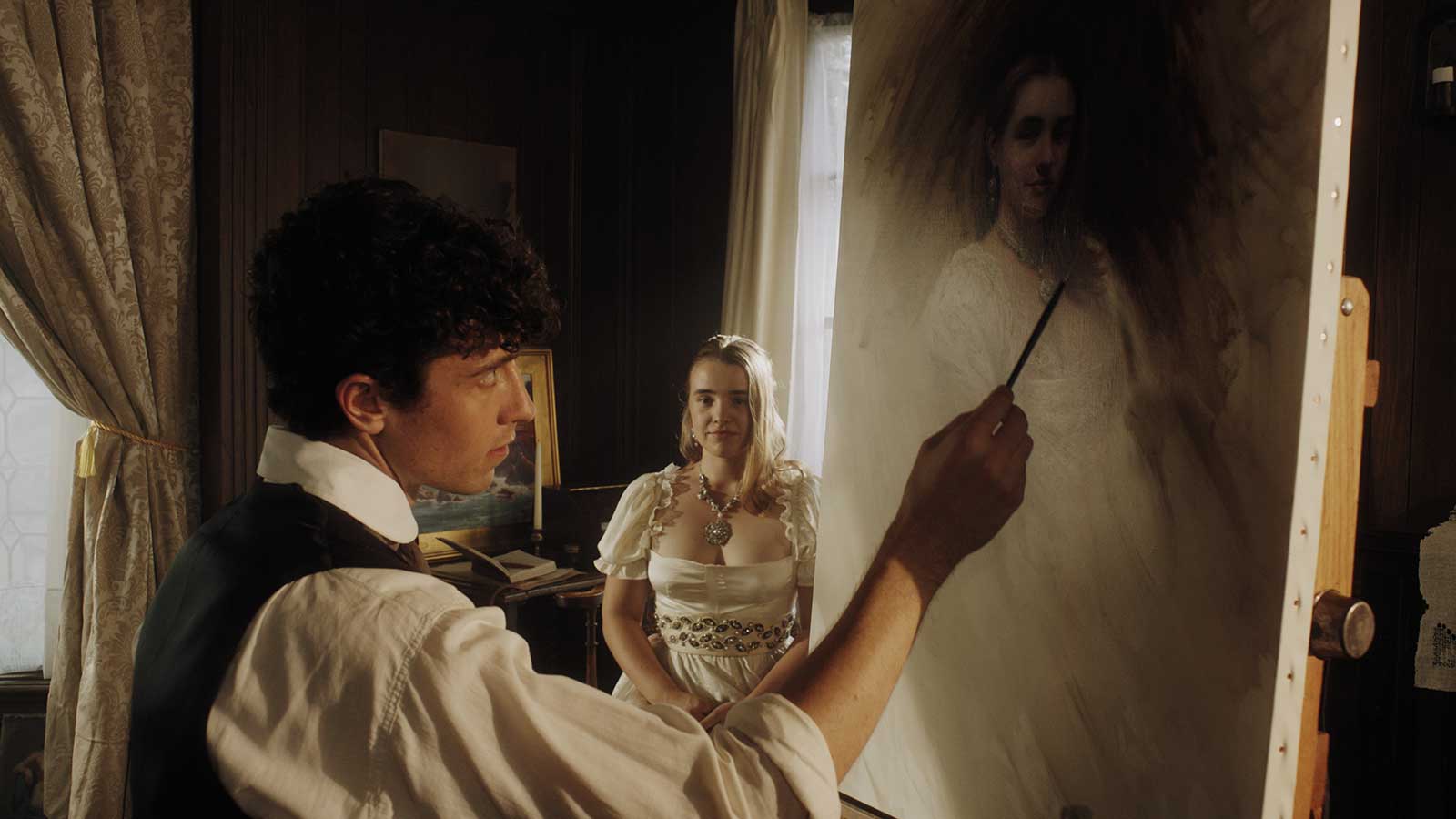
Paul painting a portrait of Annabelle in the studio. Painting by artist Derek Harrison.
As he did further research on the painting, he learned that the model for the female subject was Lise Tréhot, who was not only a friend and muse of Renoir, but a talented painter in her own right. Drawing from this idea, Stemler decided to approach his period piece with a modern sensibility and made the female artist the more talented of the two.
The film is set in 1889. A young impressionist painter, Paul Lefay (played by Isaac Jay), is tasked by the Académie des Beaux-Arts to complete his first commission. Searching for a muse to inspire his greatest painting yet, Paul journeys to the French countryside where he spots the radiant Annabelle Veilleux (played by Caledonia Wilson) painting masterfully along a riverbank. What follows is a passionate tale of love, drama and the transformative power of art.
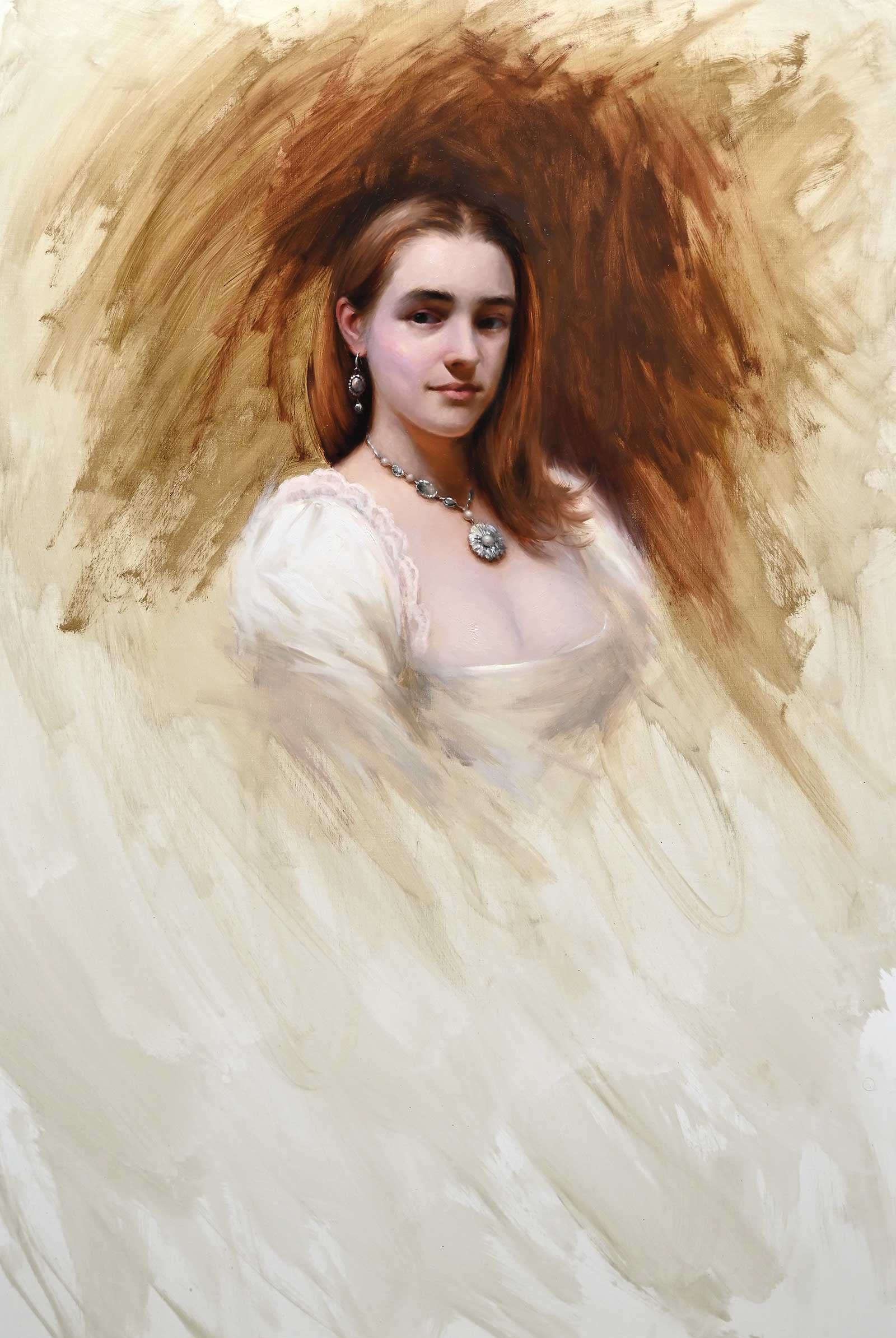
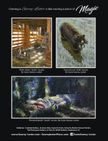
Derek Harrison, Annabelle, oil, 36 x 24”. Created specifically for Movement, Light, and Life.
Once the story solidified, it became clear to Stemler that he would need a fair amount of paintings for the film, as well as artist-consultants to ensure all aspects of the film reflected the time period with historical accuracy.
He ended up connecting with Vanessa Rothe, an artist and gallerist in Laguna Beach, California, whose area of expertise—both in practice and knowledge—is French and American impressionism. They transported Rothe’s entire studio to the craftsman-style Los Angeles home where the interior scenes were shot. But to recreate a late 19th-century artist studio many details had to be altered—the metal knobs on Rothe’s easel had to be covered up; canvas staples were replaced by brass tacks. Stretchers had to be built out of old wood. Tubes of paint were swapped out for the small vessels artists of the day would have used to mix their powdered pigments and oil.
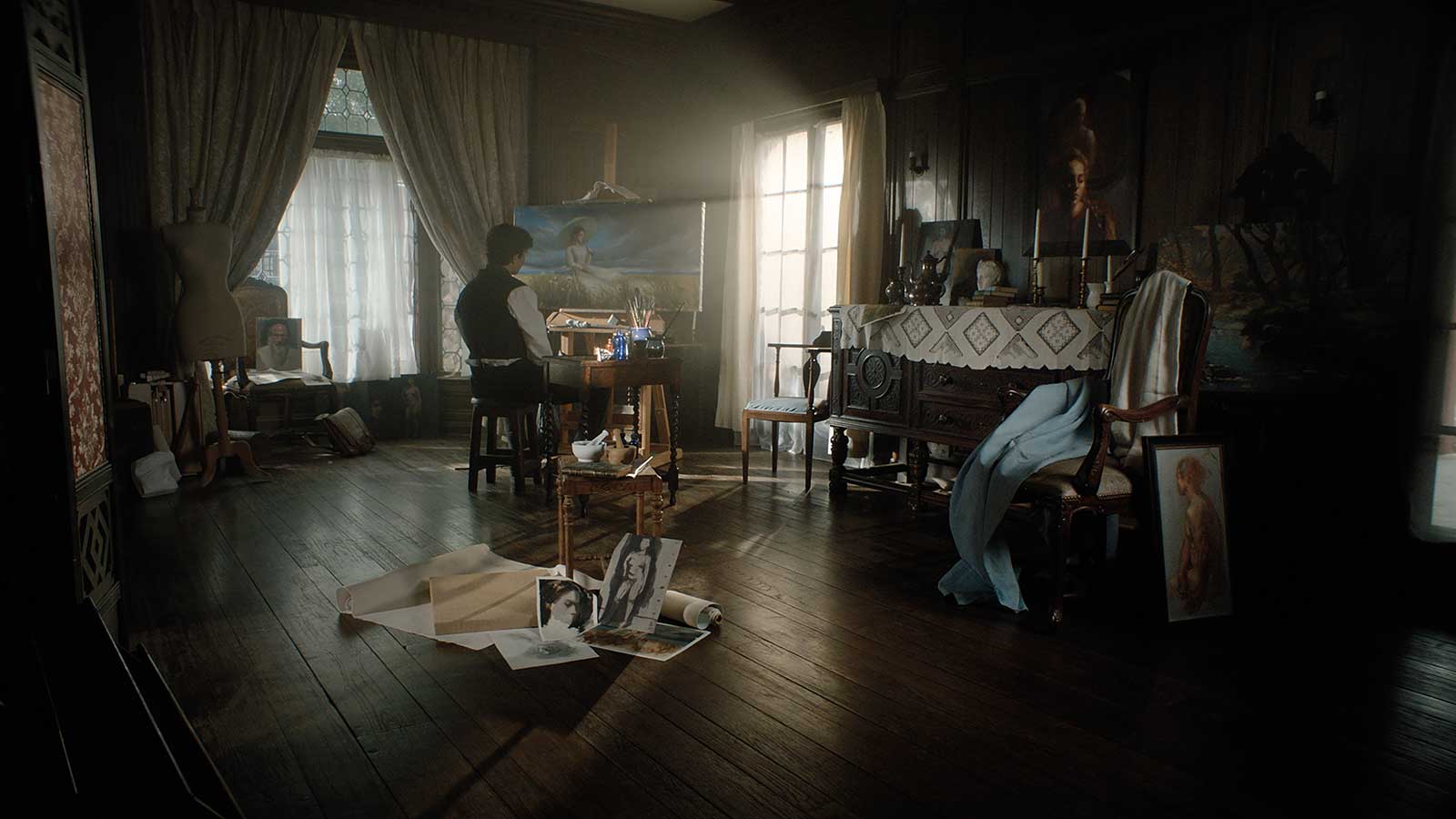
Paul sits at his easel inside the 19th-century studio decorated with work by Derek Harrison, Cheryl Kline, Ray Roberts, Vanessa Rothe and Sharon Weaver.
Stemler explains, “If you think about the film as a metaphor for a canvas, maintaining these little details and authenticity makes it feel like every brush on the canvas holds a certain weight; everything feels deliberate. If you look at a painting by any of the masters, even if your eye can’t see each and every brushstroke, on a subconscious level you pick up on all the hours of work and emotion that went into it. I’m about the belief that if you try to fake a painting, the viewer can tell something is off, or a corner was cut. The same, I think, is true of film.”
The decision to use original paintings by five contemporary California artists on the set—several of which were commissioned specifically for the project—elevates Movement, Light, and Lifeto another level of authenticity, earning its tagline as “a film about artists by artists”.
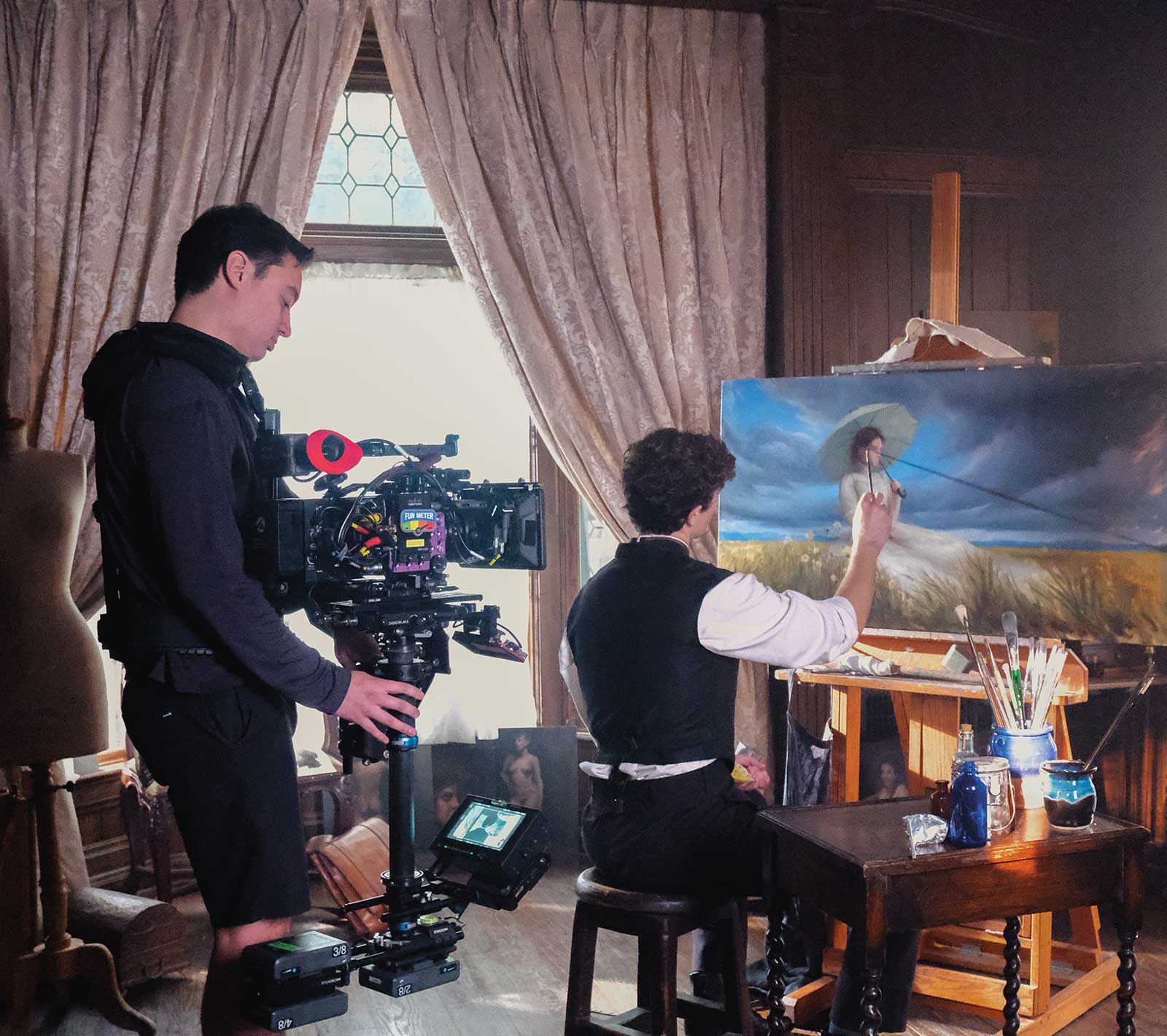
Paul at the easel, behind the scenes on set of the short film Movement, Light, and Life.
Rothe, who provided some important original oil paintings for the film, further recommended artists Derek Harrison, Ray Roberts, Cheryl Kline and Sharon Weaver to lend or donate existing works, or paint new ones specifically for the film—amounting to 100 pieces in all. What’s more, a large selection of the artwork in the film is available for sale on the film’s website.
Trained in the distinct styles of the fictional artists—landscapes and portraiture—Rothe created works for both characters, in addition to a floral still life for the set. “They borrowed work from my Laguna College of Art and Design days with classical realism, and limited palette of colors and indirect method for the character Paul,” shares Rothe. “In contrast, my regular plein air on-location paintings are much more colorful and impressionistic, created in the direct alla prima method, and those were used to represent Annabelle’s works in the studio. I was so honored they used both styles of my work, for each character.”
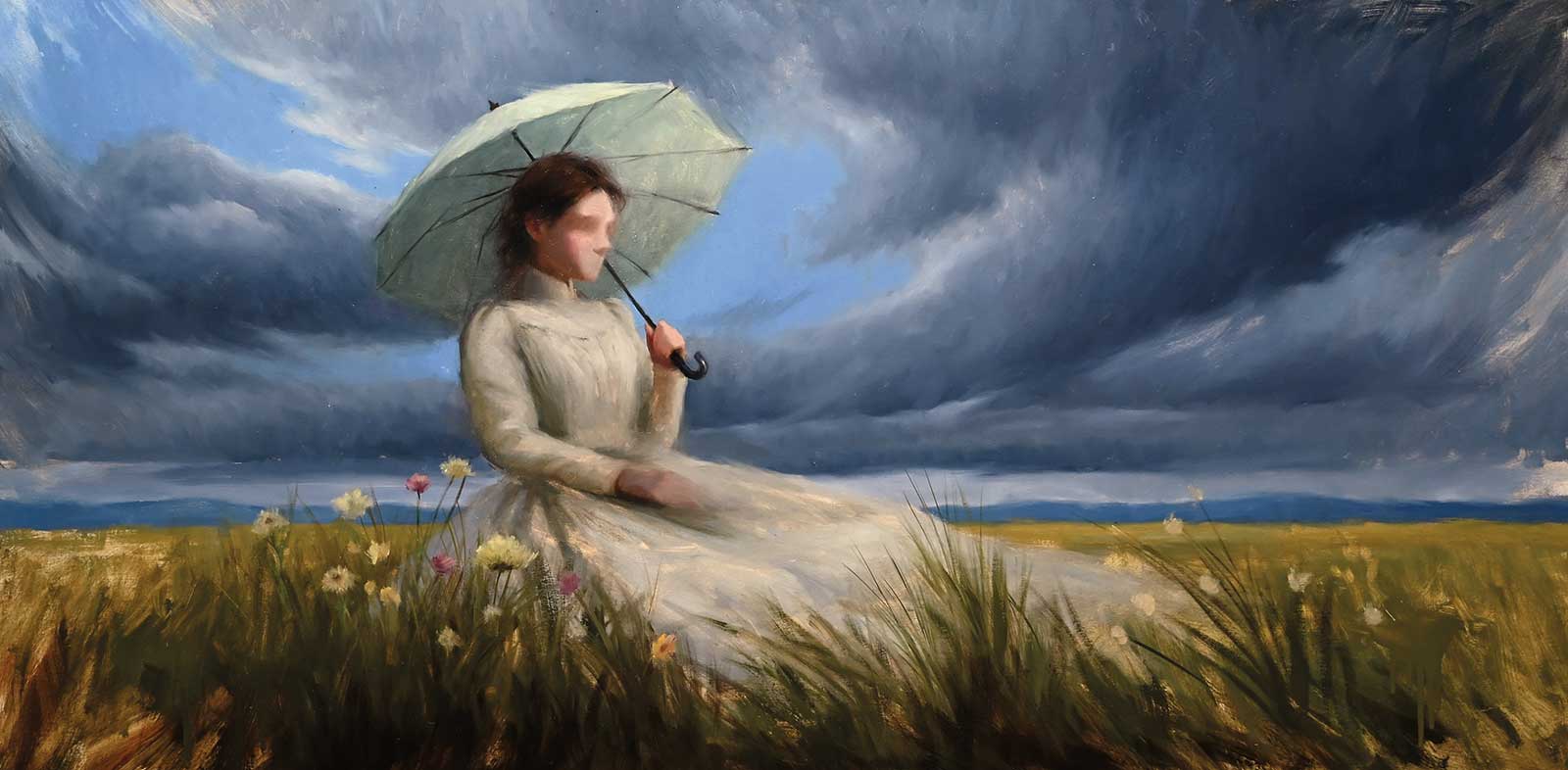
Derek Harrison, Faceless Woman, oil, 24 x 48”. Created specifically for Movement, Light, and Life.
Harrison was also responsible for painting figurative works for the male lead in the film. The actors came to the LA Academy of Figurative Art where Harrison teaches, to get a glimpse into the world of realist art; and the female lead modeled for him in full period dress. The male lead works intensely on the painting throughout the film so it was left partially unfinished to fit with the narrative.
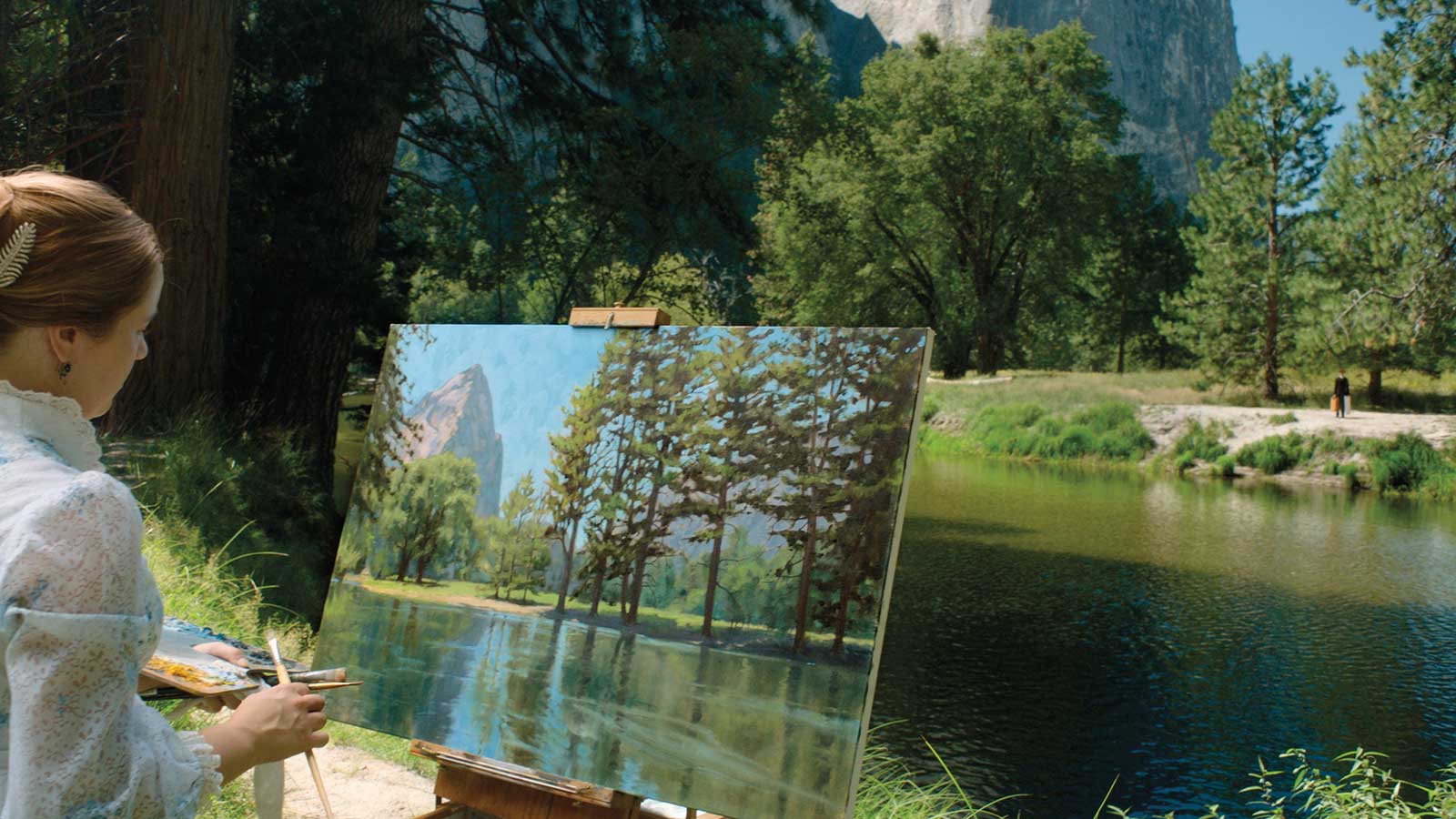
Annabelle painting in plein air. Original painting by Sharon Weaver created specifically for Movement, Light, and Life.
“Nineteenth-century academic art is my main inspiration,” says Harrison. “Creating a timeless and carefully crafted representational painting is exactly what I do. This made for a very suitable fit.”
Weaver’s landscape Reflections Remembered appears in the scene when the main characters first meet along the riverbank. Loosely implied to be somewhere in rural France, all the exterior scenes were filmed in Yosemite National Park. “She is an adventurous woman who is painting in plein air and on her easel is my painting,” says Weaver. “In the background you can see the actual scene that I painted. The male character sees her across the river. At that time, women rarely painted on location so she makes an impression. I too have been inspired by those early plein air artists and have taken many trips into remote locations. One was a pack trip into Ediza Lake where I rode in by mule and camped with no running water for six days to paint where Edgar Payne did.”
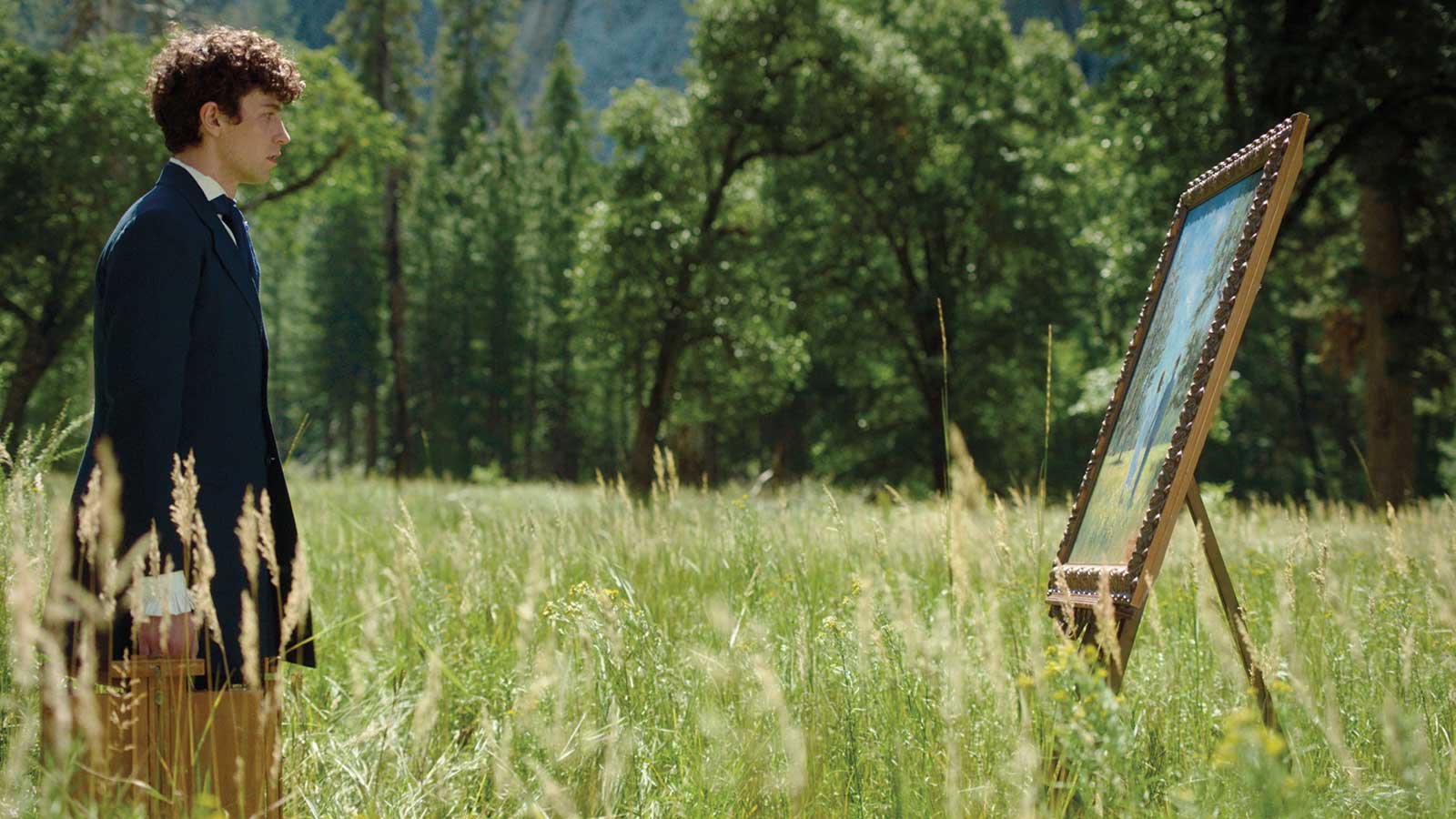
A pivotal moment in the film, Paul finds the painting Annabelle has left him titled Movement, Light and Life, created specifically for the film by Cheryl Kline.
Kline was asked to create a piece of the main actors walking into a beautiful field with trees, as seen from behind. For historical reference, she used paintings by Degas, Manet and others but it was Monet’s Woman with a Parasol she found invaluable. “My task was to create a piece important to the storytelling,” explains Kline. “It had to be impressionistic; it had to look like the same artist created this one as well as another one painted by my colleague Sharon Weaver. Winston was pretty clear on what he needed—my job was to translate his direction into a believable painting.”
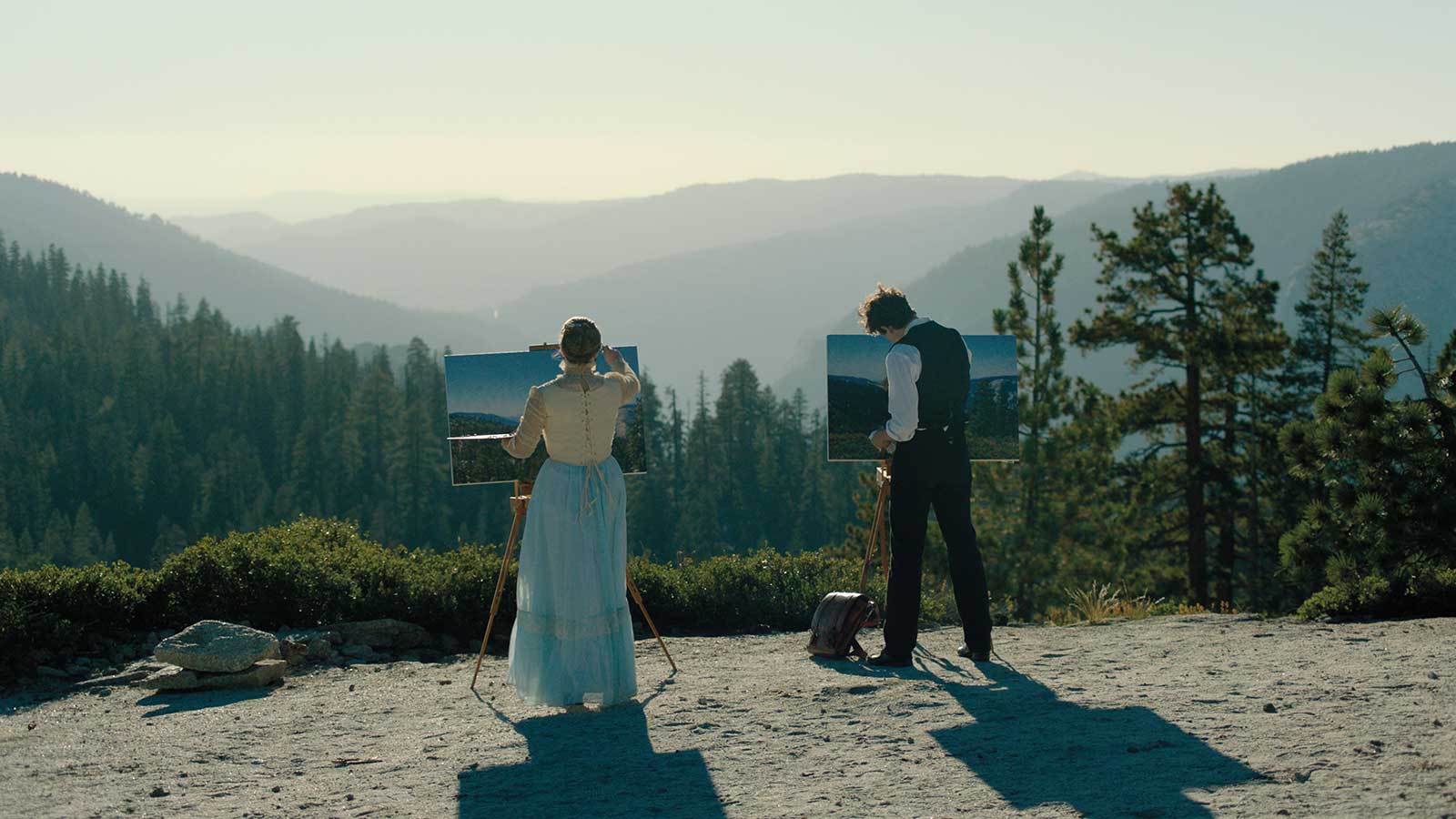
Paul and Annabelle painting a large landscape, on location, side by side.
Movement, Light, and Life wrapped on February 29 and one of the highlights of the project for Stemler came on the very last day of filming.
“After a full week of shooting, travel and long hours, we arrived at our final set piece,” recalls Stemler. “With mountains stretching as far as the eye could see and the warm sunset over our heads, like the heartfelt story of our painters, our film was almost complete. We were just one brushstroke away...”
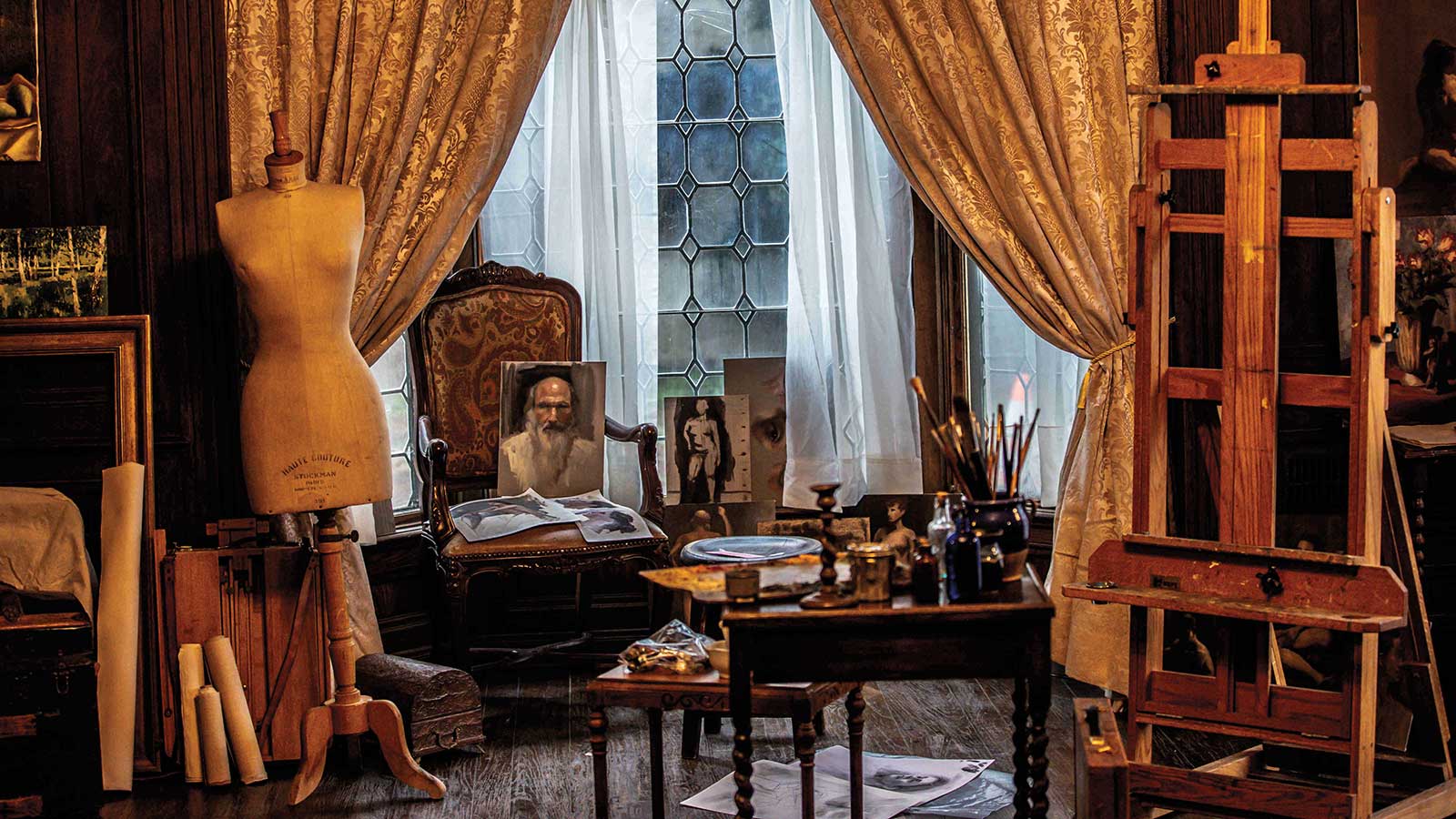
A recreation of a 19th-century artist studio decorated with original art work by Derek Harrison, Cheryl Kline, Ray Roberts, Vanessa Rothe and Sharon Weaver.
Running close to 15 minutes, Movement Light, and Life is currently being considered by dozens of independent film festivals. The film’s first industry screening will take place 7 p.m. Saturday, May 11, at the American Film Institute in Hollywood, California, with many more events on the horizon. For the latest updates and to view the available works for sale visit www.movementlightandlife.com. —
Powered by Froala Editor