In 1827, Joseph Nicéphore Niépce (1765–1833), coated a polished pewter plate with a light-sensitive material, mounted it in a camera obscura, aimed the device out his window and, several days later, the view appeared on the plate. Niépce’s heliograph was the beginning of photography.
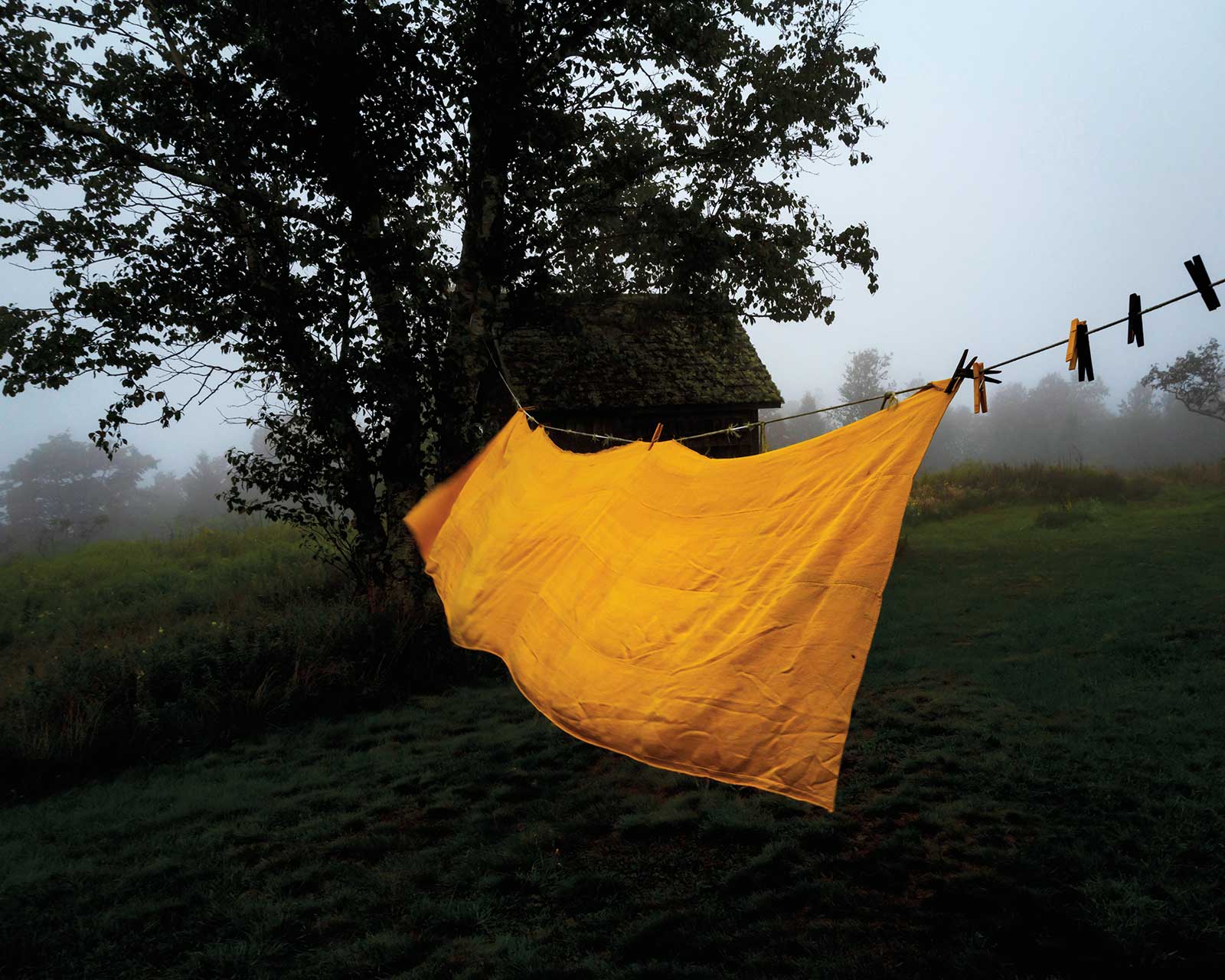 Jackson Fine Art, Yellow Table Cloth (Dawn), Eagle Island, Maine, 2021, archival pigment print, 16 x 20”, by Cig Harvey
William Henry Jackson (1843-1942) photographed Yellowstone in 1871. A mule team carried his bulky cameras, heavy tripods, fragile glass plates, a portable darkroom and processing chemicals.
Long ago I attended a photography school in northern Denmark. We rode our bikes downtown to buy chemicals from the chemist, mixed them according to the effects we wanted in our final images and spent hours in an unventilated darkroom breathing in the chemicals until we ran out the door to the beach gasping for air.
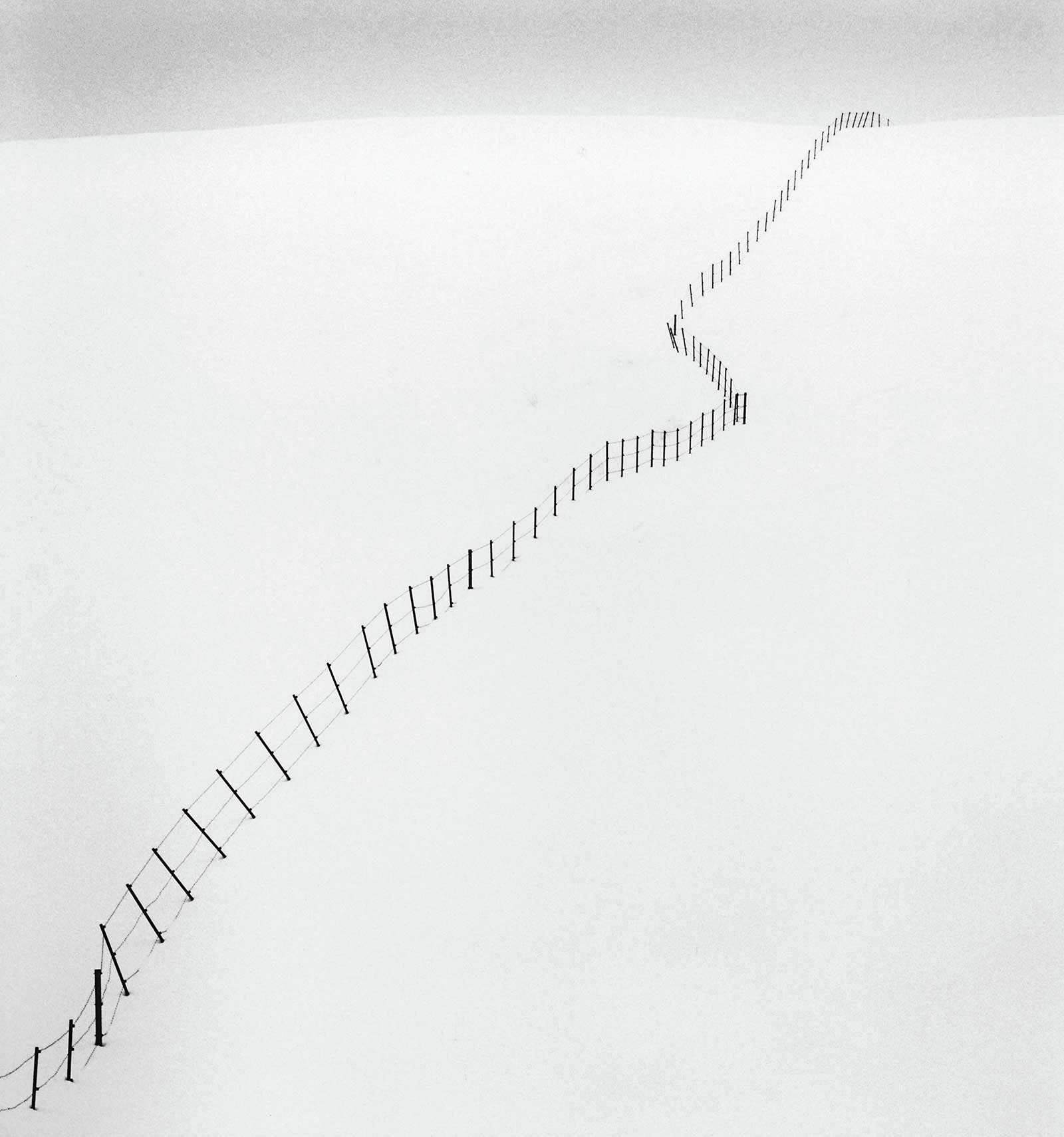
Weston Gallery, Hillside Fence, Study 2, Teshikaga, Hokkaido, Japan, 2002, gelatin silver print, 8 x 7½”, by Michael Kenna.
Today, we aim our smart phones, take a picture and send it anywhere in the world within seconds.
Traditional techniques and modern technology are brought together to create the fine art photography of today.
Michael Kenna’s photographs are often about space—natural space with human intervention as in Hillside Fence, Study 2, Teshikaga, Hokkaido, Japan. He says he likes to leave space in his photographs “for an individual viewer to enter it.” A fence meanders up a snow-covered hill and disappears over the horizon like sumi-e brush strokes, a sublime image that elicits a meditative response beyond its minimal visual details. He uses a medium-format film camera, eschewing the immediate satisfaction of viewing a digital image. Kenna experienced the silence, discipline, meditation and mystery of early seminary training, a type of education that allows one to appreciate the seen as well as the unseen.
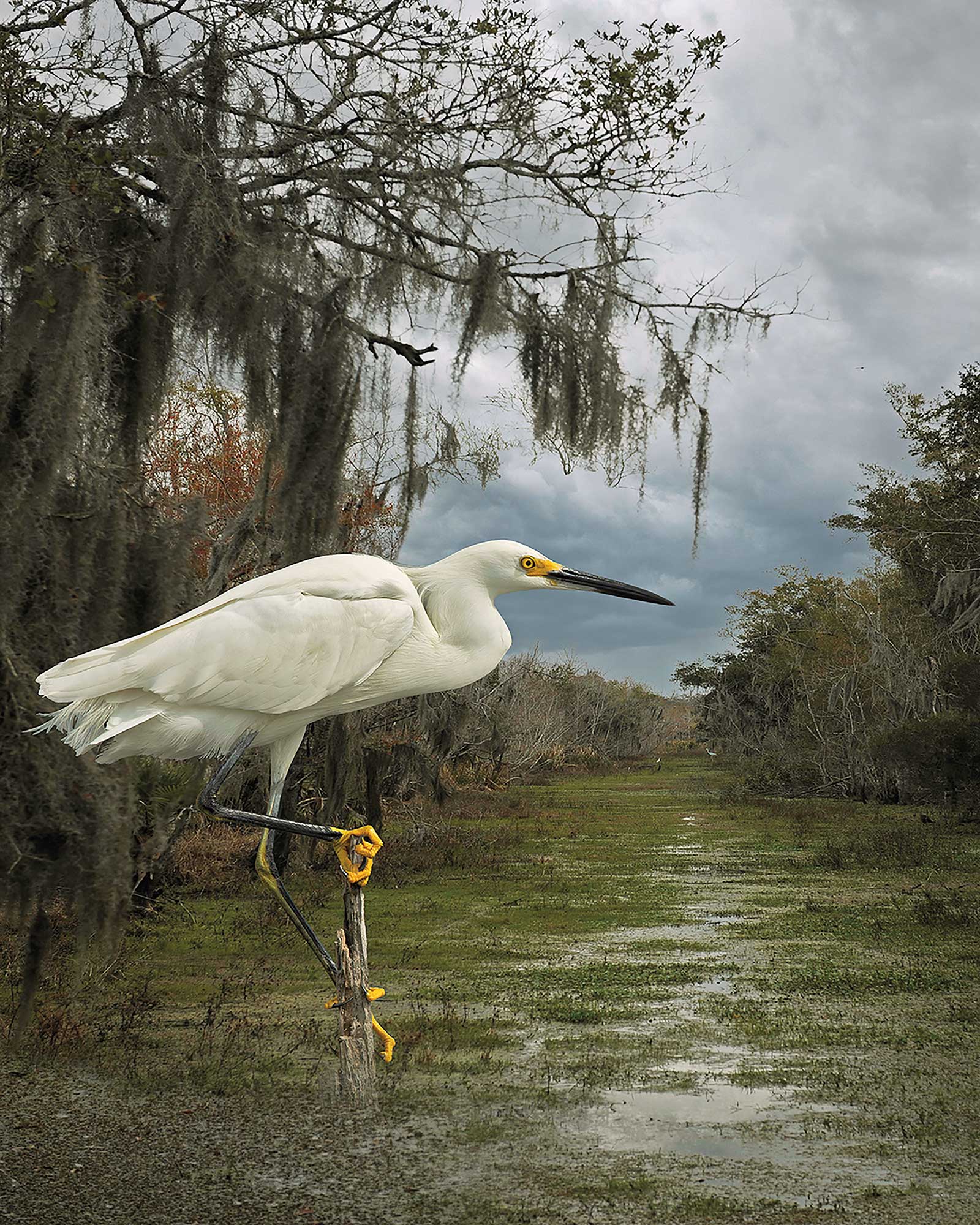
PDNB Gallery, Snowy Egret in the Bayou, © 2021, archival pigment print, 37 x 30”, by Cheryl Medow
Cig Harvey celebrates the “magical in the everyday.” A yellow tablecloth, pinned to a clothesline, sways in the damp breeze as one end flutters more rapidly, defying the camera’s attempt to freeze it in time. The saturated yellow of the tablecloth contrasts with the emerging green of the landscape in the early morning light. She says, “In the steps of each ordinary day, I am waiting, ready for something to visually interrupt me. Something to make me gasp. Sometimes it is a natural phenomenon. Sometimes it is a gesture or a gaze. Sometimes it is the intensity of color or light. I feel jolted, awe-inspired and urged to remember it. I photograph it as a way to get closer to the moments that leave me breathless, as a way to stop time.”
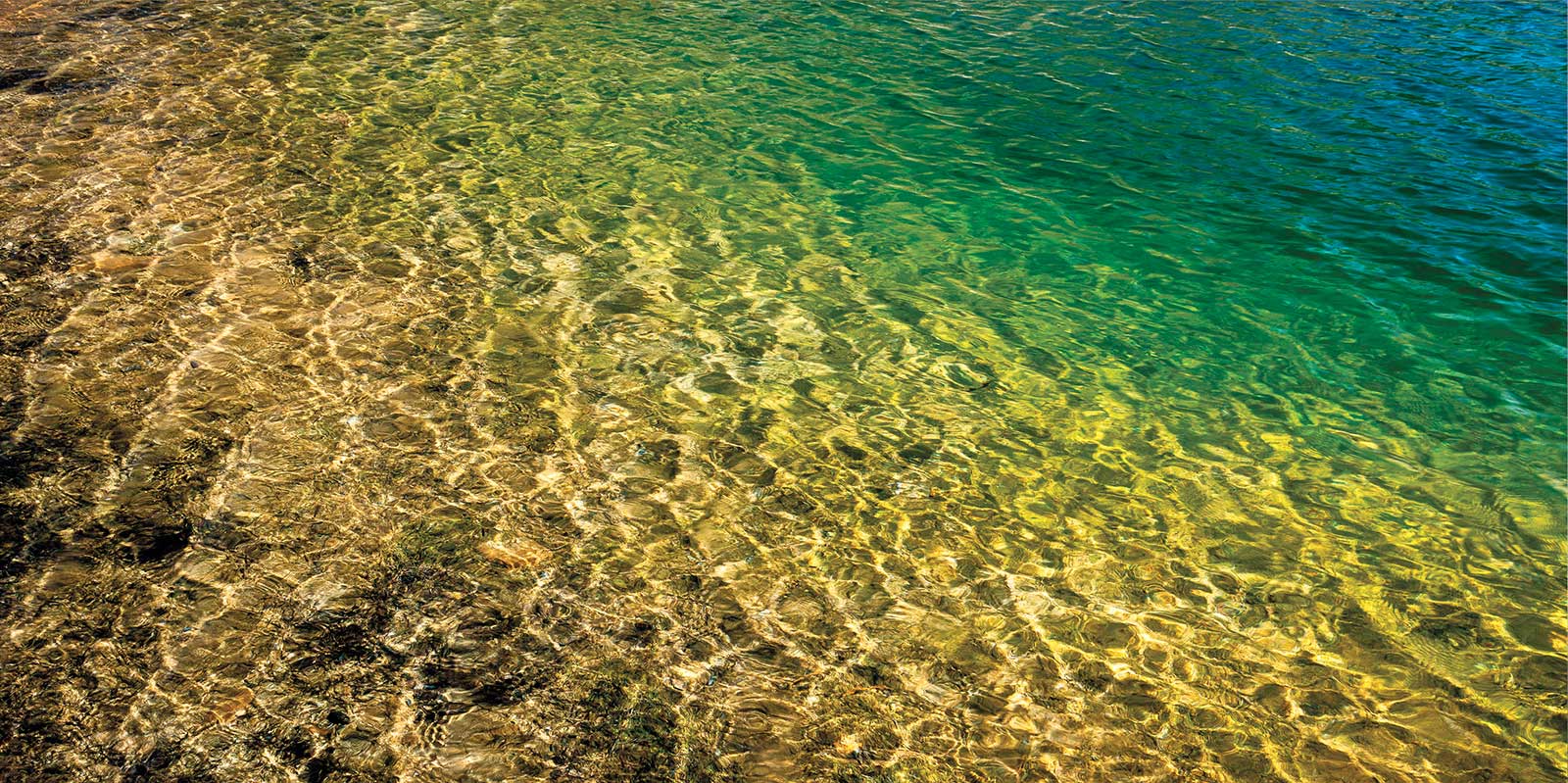
Stephen Robeck, Ottoway Lake Rainbow, ed. 4 of 10, archival pigment photograph, 24 x 46”
Cheryl Medow’s Snowy Egret in the Bayou is from her Envisioning Habitat: An Altered Reality series. She travels the world photographing birds many of us would never see otherwise. Shooting with a 600-millimeter lens, she captures the birds in detail while the lens throws the background out of focus. She explains, “The resulting shallow depth of field turns background into an unidentifiable blur—essentially creating portraits without context…Initially I tried to restore the missing backgrounds with images taken from the original landscape, but then realized I could put my subjects anywhere, and when I altered the scale of the new environments and the subjects’ relative size in them something magical happened. The ordinary was transformed into the extraordinary; what was hidden in plain sight—the fantastical, fragile, timeless beauty of these creatures—became not just apparent, but visceral.
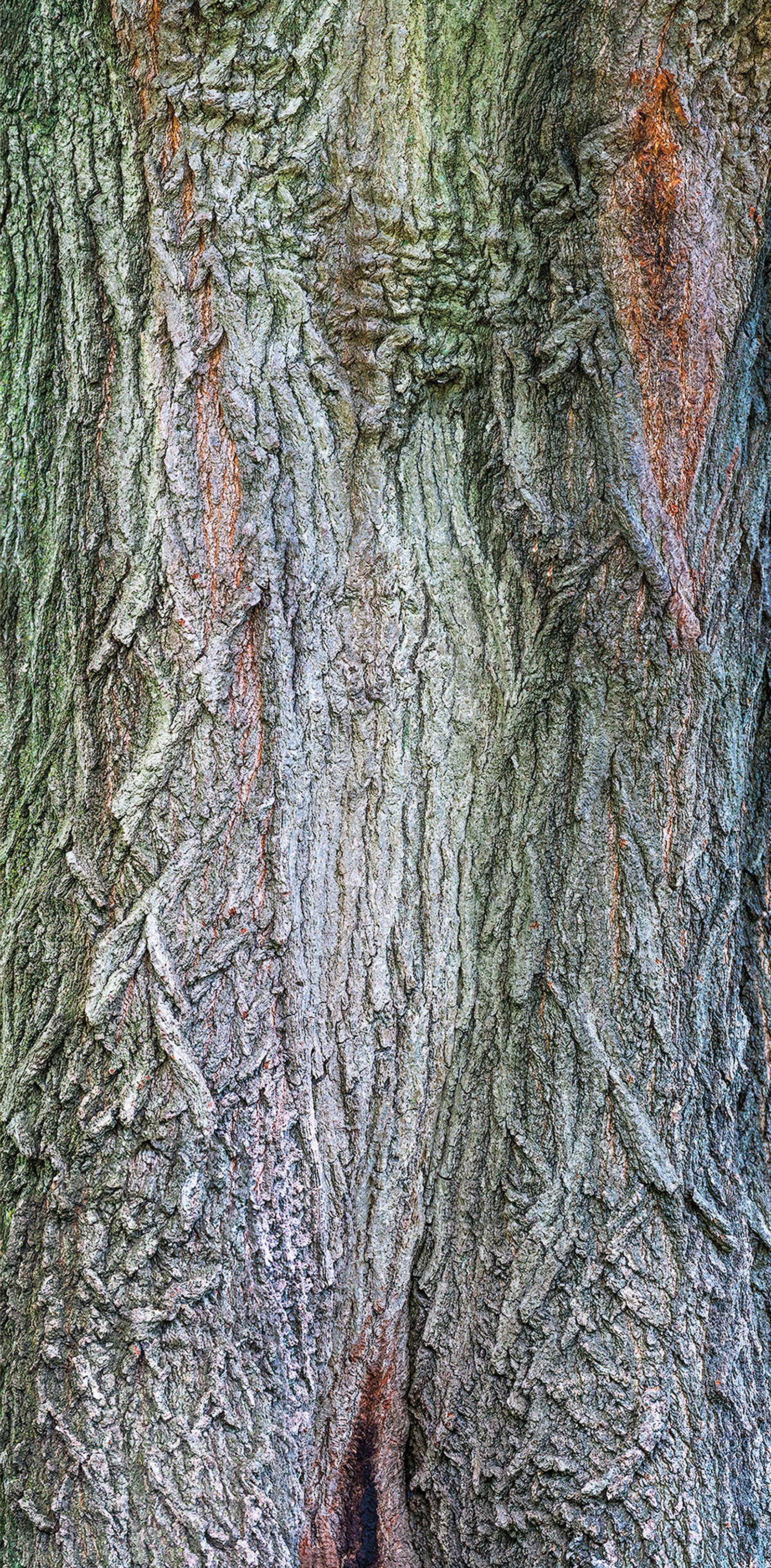
Stephen Robeck, Hybrid Oak Study, ed. 3 of 5, archival pigment photograph, 46 x 24”
In the remainder of this special section, enjoy a selection of fine art photography by artists working in the medium, learn about their their process and inspirations, and the fine art galleries that represent them.
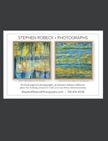
The forms, colors and textures that abound in nature have always fascinated photographer Stephen Robeck. “I love creating photographs whose origins may not be readily clear. This kind of abstraction often leads to images that are calming, but also a bit mysterious,” he says. “I want my work to engage viewers through color, texture and depth, and to keep their eyes moving. If they ask, ‘What is that?’ I feel I’ve succeeded in some way.”
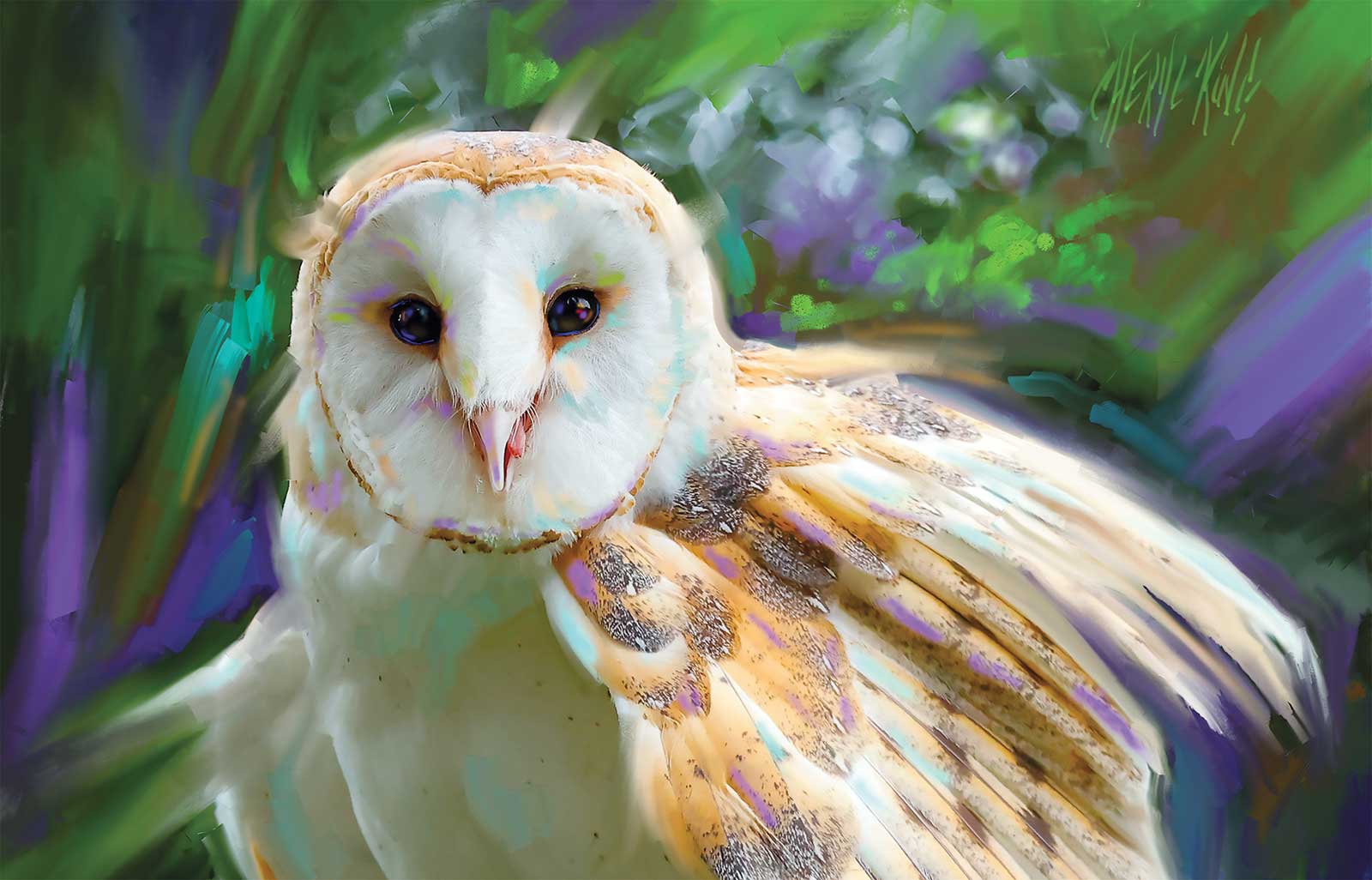
Cheryl King, Class Clown, digital hybrid, up to 16 x 24”
For his earliest exhibitions Robeck adhered to the classic presentation format: matted archival prints in black frames with UV-filtering glass. But he began to question the ubiquity of mats and the necessity of reflective glass or acrylic, so he developed the matless, glassless presentation that has become an integral part of his work. The images are fully archival and floated in hardwood frames. “An unexpected result of this process is a striking three-dimensionality,” he says. “The most frequent comment I hear from viewers at exhibitions is that they believe my photographs are paintings.”
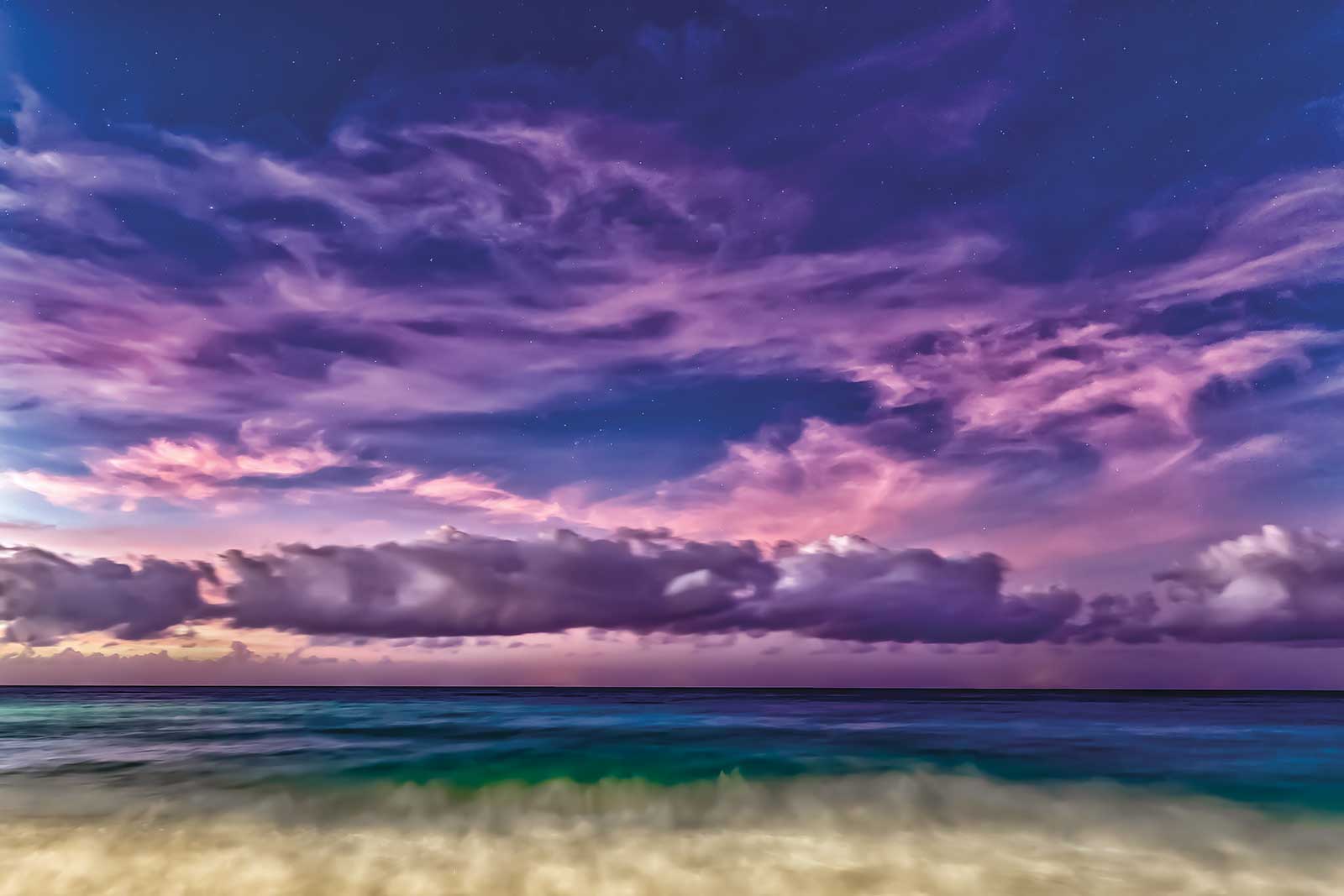
Jeff Green, Fluido #39, archival pigment print, custom dimensions
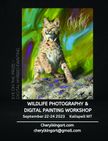
Cheryl King is primarily an oil painter but photography has always been central to her work. Devoted to animals, she captures her own references, traveling far and wide to attain them. When the pandemic hit she had a truckload of new art ready for The Russell sale in Montana but no immediate desire to produce more works. “I unloaded the truck and began experimenting with my own photos, painting digitally upon them,” says King.
As she progressed, people were intrigued by her technique, which she has dubbed “digital hybrid paintings.” She continues to use this design method for both hybrids and original oils. “Printed on aluminum they withstand all environments,” she says. “This technique has turned out to be a silver lining of the pandemic!”
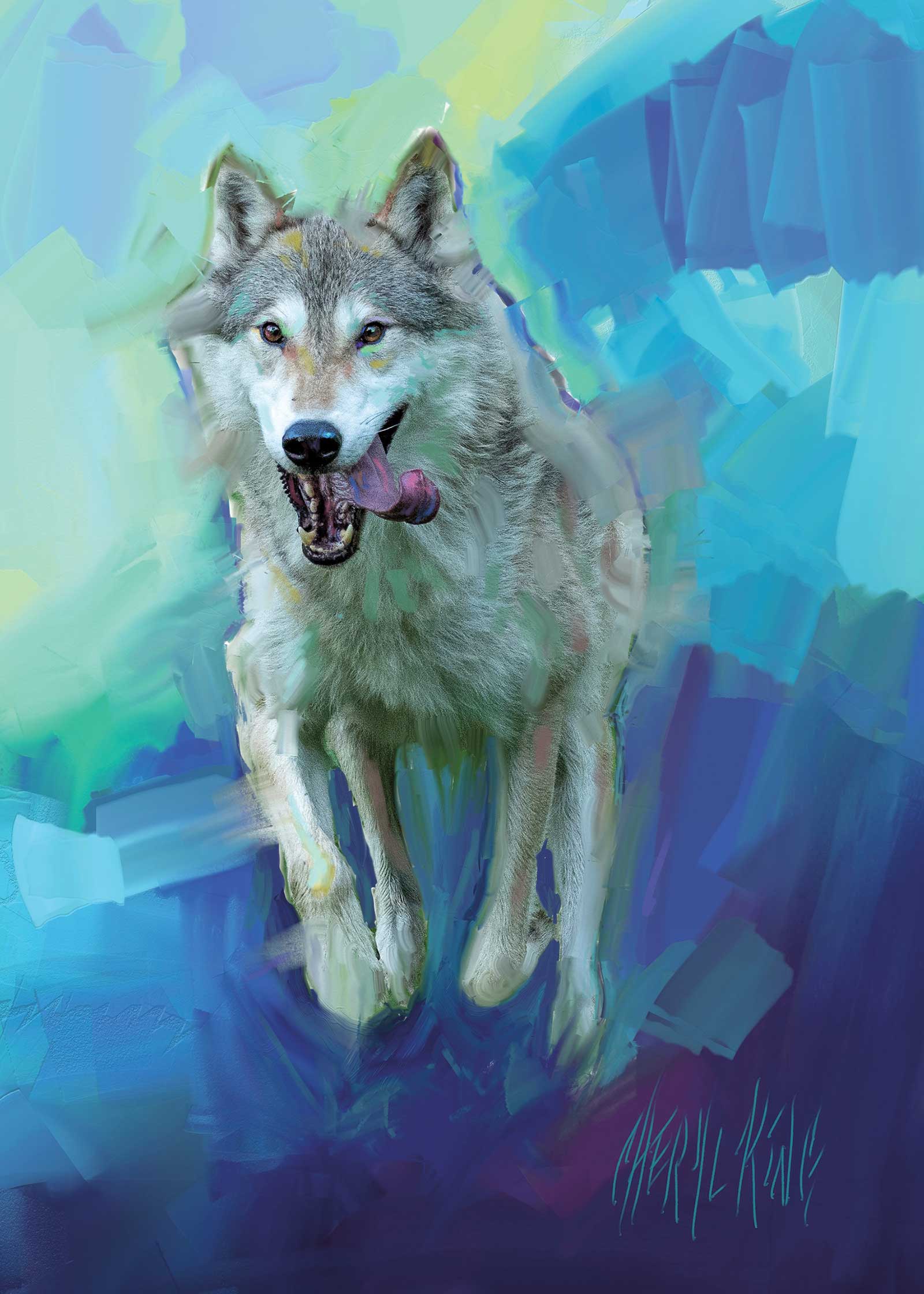
Cheryl King, Swift as Smoke, digital hybrid, up to 26 x 24”
“What draws me to my mostly natural subject matter is the evocative trinity of light, color and gesture,” says Jeff Green of JDG Fine Art Photography. Of the three, gesture is usually the most meaningful for Green. “To me, it’s about the energy I perceive in the scene, ranging from calm and graceful to dynamic and kinetic,” he continues. “Most often it can be literal, such as the way clouds form, a wave breaks, wind rustles the leaves, tree branches create a pattern or how the scene is reflected in water. My hope is that collectors are compelled to experience my imagery again and again, immersing themselves in the energy of the scene and feeling, as I do, a sense of curiosity, wonder, optimism and joy.”
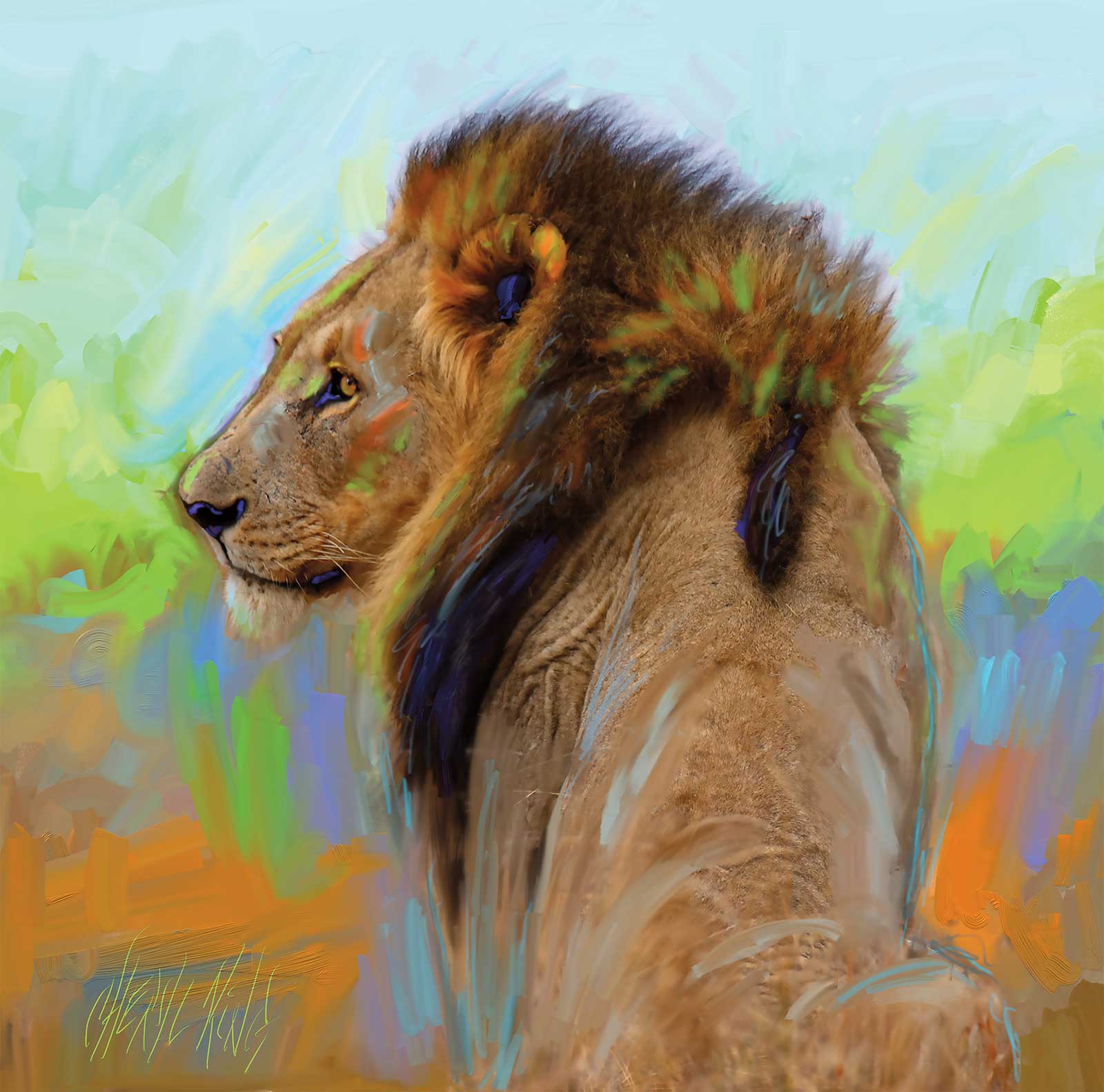
Cheryl King, The King’s Robe, digital hybrid, up to 20 x 20”
Based in Long Island, New York, Green’s images are captured in a variety of locations including America’s national parks, Europe and the Caribbean. He handles every step in the photographic process—from capture through editing and digital development, to producing the final print. —
Featured Artists & Galleries
Cheryl King
cherylkingart@gmail.com
www.cherylkingart.com
Jackson Fine Art
3122 E. Shadowlawn Avenue NE
Atlanta, GA 30305
(404) 233-3739
info@jacksonfineart.com
www.jacksonfineart.com
Jeff Green
JDG Fine Art Photography
(516) 698-1989
jeff@jdgfineart.com
www.jdgfineart.com
PDNB Gallery
50 Manufacturing Street, Ste. 203
Dallas, TX 75207
(214) 969-1852
info@pdnbgallery.com
www.pdnbgallery.com
Stephen Robeck
stephen@stephenrobeckphotographs.com
www.stephenrobeckphotographs.com
(310) 614-4036
Weston Gallery
Sixth Avenue & Dolores Street
Carmel-by-the-Sea, CA 93921
(831) 624-4453
info@westongallery.com
www.westongallery.com
Powered by Froala Editor