In his novel, “Portrait of the Artist as a Young Man,” James Joyce wrote, “The object of the artist is the creation of the beautiful. What the beautiful is, is another question.”
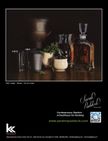
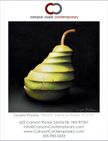
Ancient Egyptian still life depicted food to accompany and nourish the deceased in the afterlife. Still life in the golden age of Dutch painting in the 16th and 17th centuries depicted abundance but were filled with symbolic meaning, reminders of the brevity of life and the need to live a moral one. Contemporary still life painters paint what is, but what is, is yet again, another question.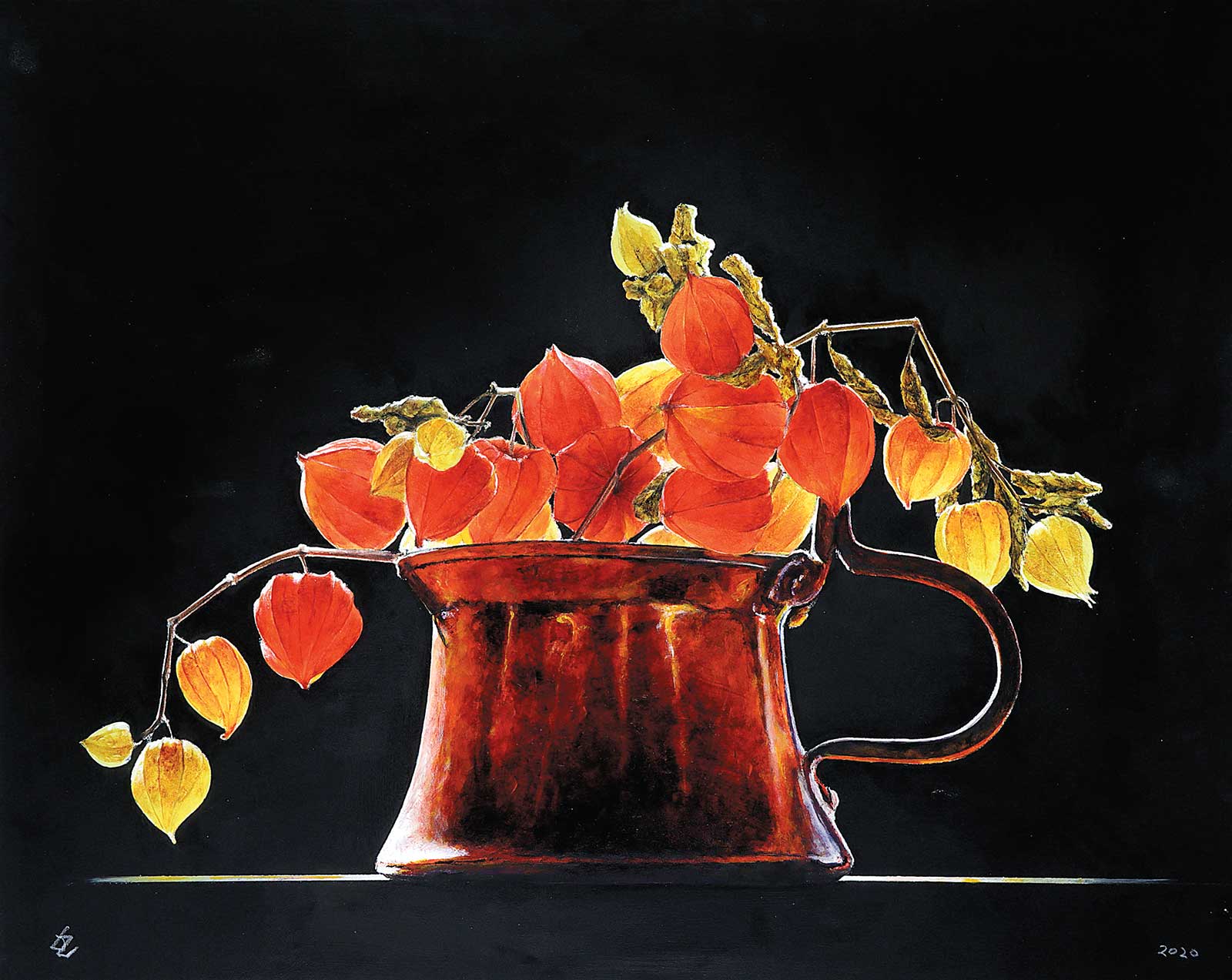 CK Contemporary, Primo di Novembre, drybrush watercolor on panel, 15 3/4 x 193/4”, by Ottorino De Lucchi
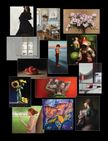
Mary Jo O’Gara’s paintings celebrate the medium itself, depicting the visual essence rather than the detail of her subjects. She paints alla prima, an attempt to capture the moment, applying wet paint into wet paint without letting previous layers dry. In Geranium, the forms of pot, plant and blossom are quickly realized against a neutral background. Equilibrium in the composition is established by the blossom reaching back to the center of the panel from the off-center pot. The oil medium is as prominent as the representation of the plant in quick, thick brush strokes that shift the eye from medium to subject and back again.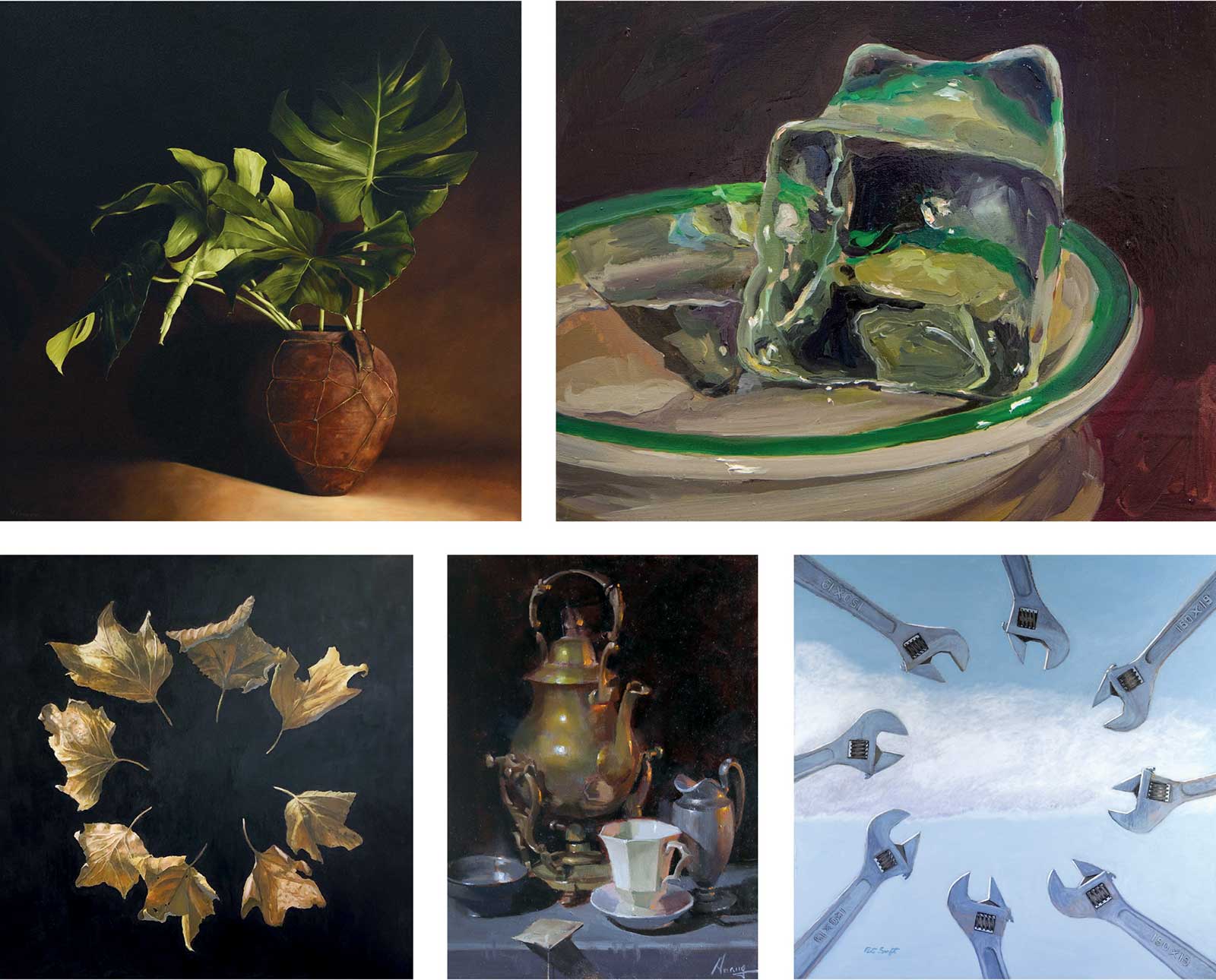 Top, from left: Anne Neilson Fine Art, Wabi-Sabi, oil on canvas, 40 x 40”, by Mary Calengor; Tayloe Piggott Gallery, Green Ice, oil on linen, 16 x 20”, by Greta Waller. Bottom, from left: Peter Swift, Tulip-Poplar Leaves, acrylic on canvas, 48 x 48”; Qiang Huang, Specular Quartet, oil on canvas, 12 x 16”; Peter Swift, Dignity of Work – Eight Wrenches, acrylic on canvas, 48 x 48”Greta Waller paints ephemeral melting ice, its fleeting reflective, refractive qualities transitioning from solid to liquid. She says, “A driving force behind my painting is the study of light. Painting is my way of organizing and understanding the concepts of light and color.”
Grappling with what is, she says, “My goal in painting has evolved into the feat to solidify the changing object. My ultimate goal in painting is to be able to give a different definition of what that solid object might stereotypically be to my viewer and to myself. I have yet to define what reality is, but I chose painting as a means to understand it. Reality is always moving in terms of light, our perception of it, and time. Painting is my constant struggle to harness that which is fleeting.” 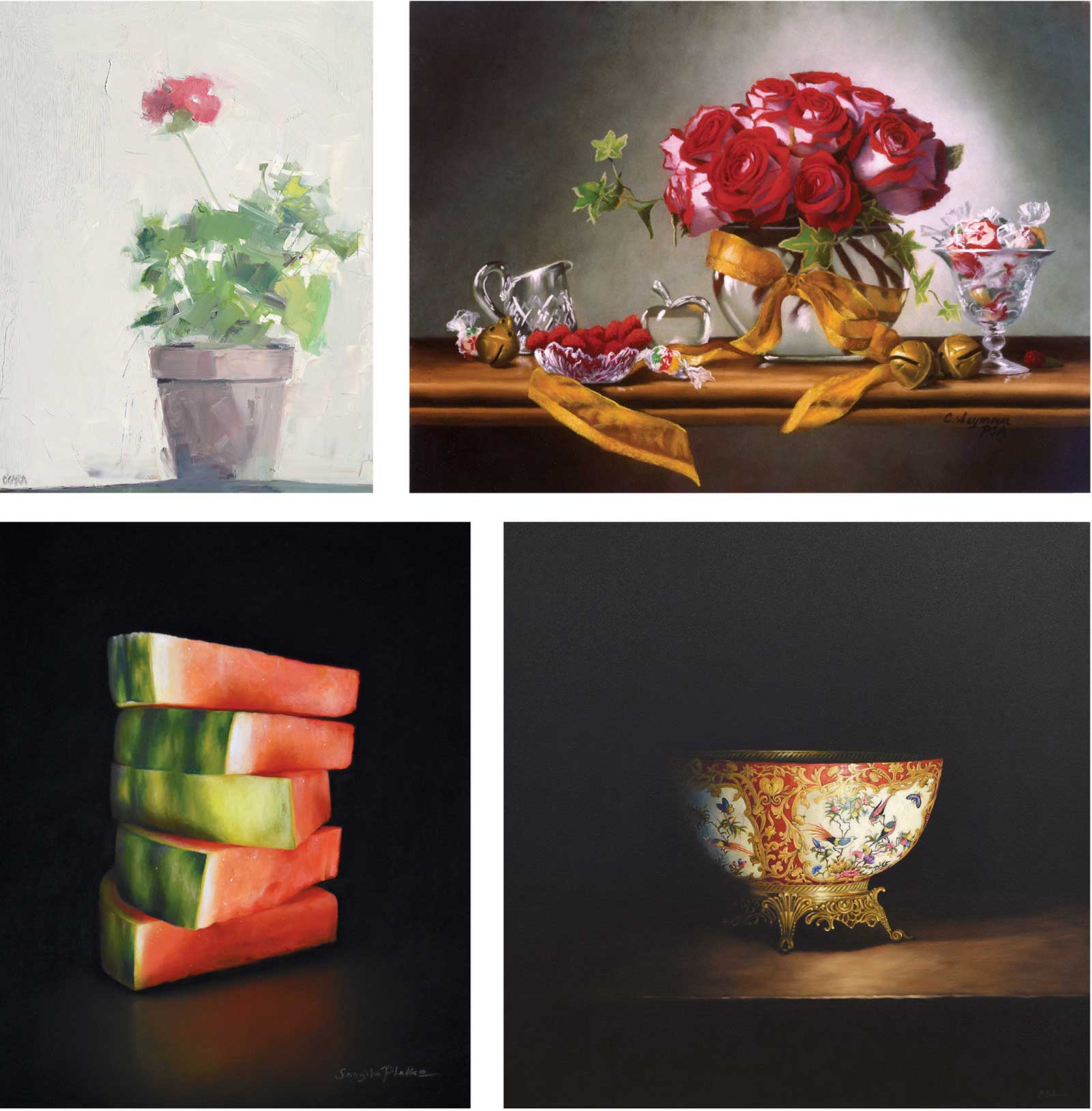 Clockwise from top left: Sager Reeves Gallery, Geranium, oil on panel, 18 x 14”, by Mary Jo O’Gara; Claudia Seymour, Winter Sweets, soft pastel, 11 x 14” ; Anne Neilson Fine Art, Famille Rose, oil on canvas, 40 x 40”, by Mary Calengor; Canyon Road Contemporary Art, Watermelon, pastel on paper, 17 x 14”, by Sangita Phadke.The intense green rim and neutral base of the bowl in which she has set the block of ice are transformed into greenness and neutralness in her painting, Green Ice. Dabs of white on the bowl record its reflective quality. The irregular reflective shape and transparency of the melting ice distorts the bowl’s solid form into amorphous abstraction. Light, the real and refracted forms, change as the ice melts, settling, eventually, into a more static relationship.
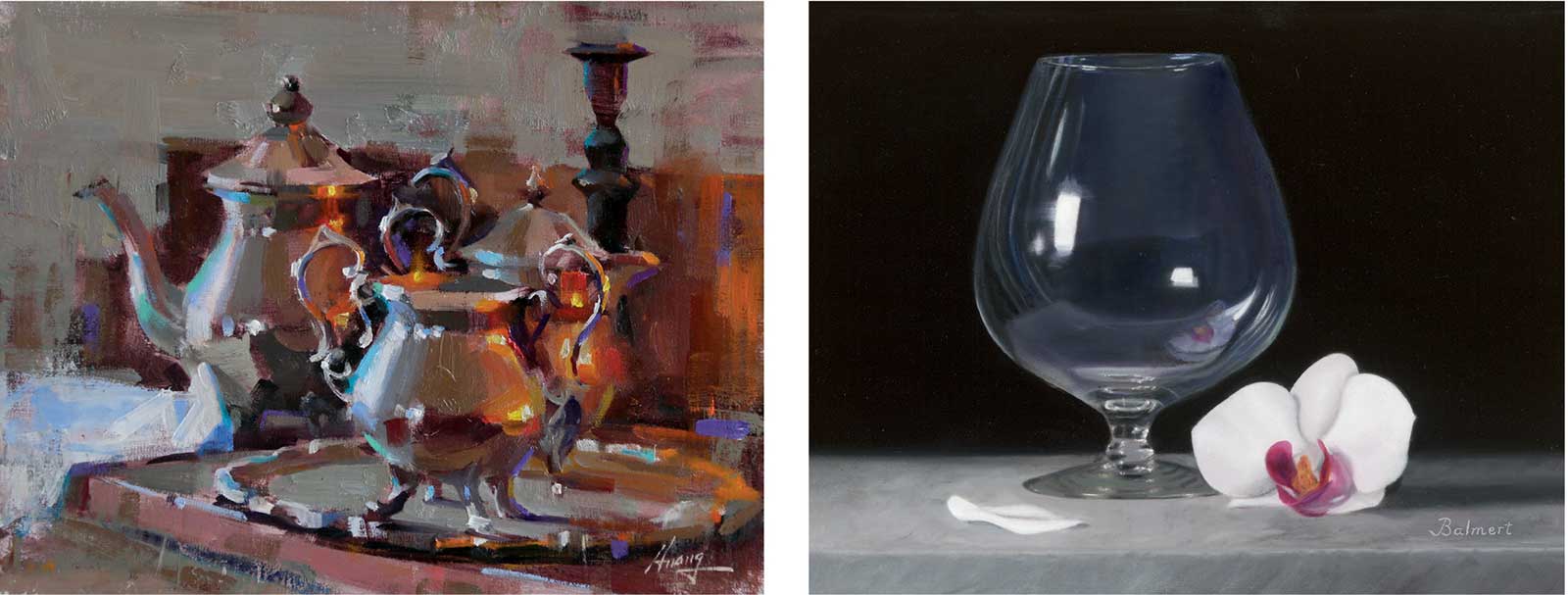 Qiang Huang, Silver Prismatics, oil on canvas, 11 x 14”; Nancy J. Balmert, Crystal and Orchid, oil, 11 x 14”Ottorino De Lucchi is a professor of organic chemistry as well as a painter. Working for a time in the U.S., he became acquainted with and studied the dry brush paintings of Andrew Wyeth. Wyeth said, “I work in drybrush when my emotions get deep enough into a subject. So I paint with a smaller brush, dip it into color, splay out the brush and bristles, squeeze out a good deal of the moisture and color with my fingers so that there is only a very small amount of paint left.”
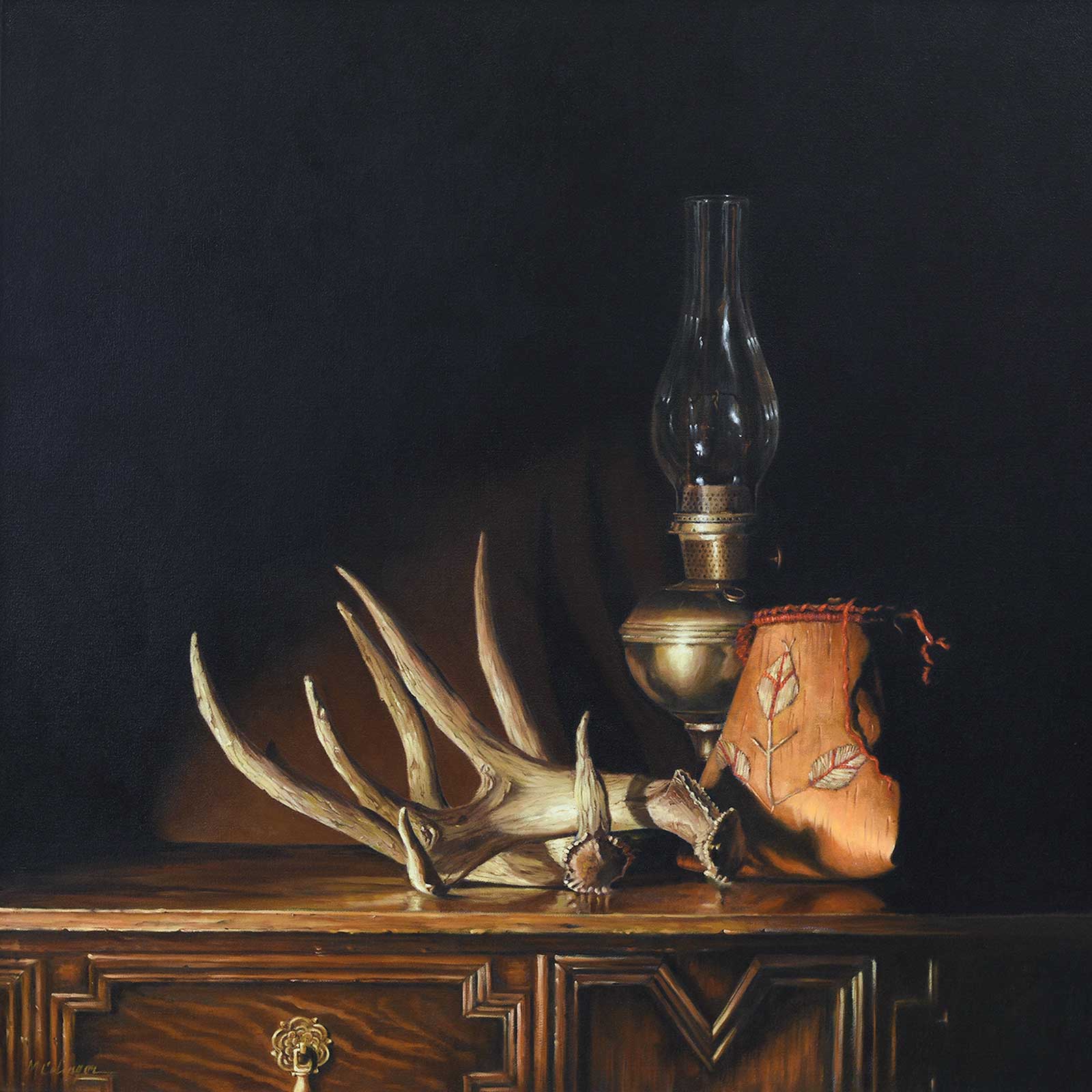 Anne Neilson Fine Art, Gather, oil on canvas, 36 x 36”, by Mary Calengor.
De Lucchi has developed his own technique in drybrush. He often uses sprigs of Chinese Lantern Plants known for their intense color and translucency. Painted with the extraordinary detail that drybrush allows, layers of glazes are applied and wiped or scraped off.
De Lucchi says, “In essence, watercolor drybrush uses an oil brush technique with watercolor paints. The painter works with amounts of paint comparable to that used with the oil technique and proceeds to build up the painting the way oil painters do. I deem drybrush paintings to have superior brilliance: they appear with more vivid colors, higher color saturation and overall a better contrast of light and dark.”
In Primo di Novembre, rather than suggesting the form or essence of his subject, while leaving his painting medium visible, De Lucchi employs careful control to produce paintings whose feeling of reality, rivals reality itself.
Throughout this section, you’ll hear additional insights and stories from artists, galleries and museums on the many nuances of the still life genre. 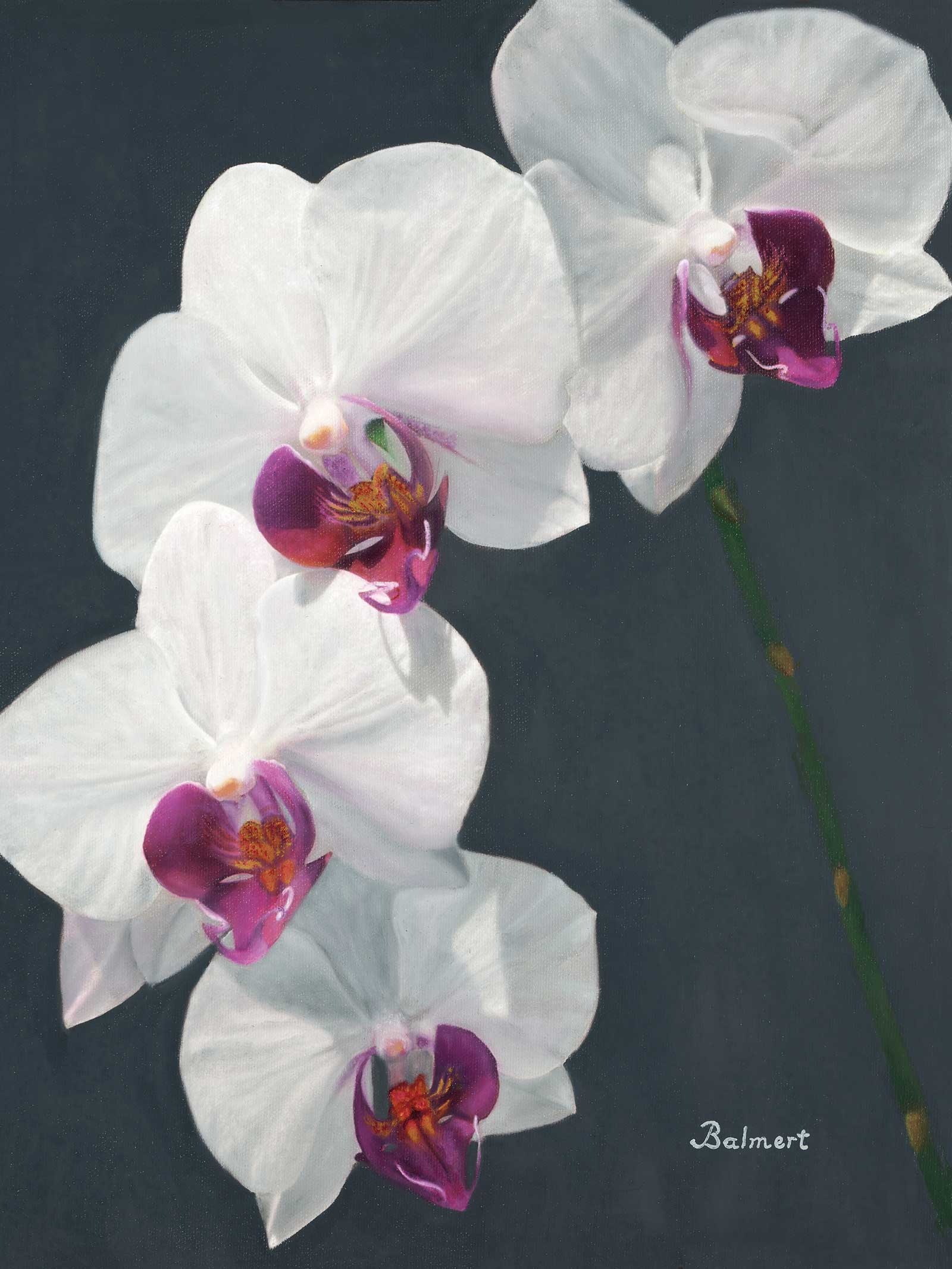 Nancy J. Balmert, Oriental Orchids I, oil, 16 x 12”
Represented by Anne Neilson Fine Art, Mary Calengor’s strikingly contrasted still life paintings are rich in realism and bridge the gap between traditional and contemporary art. She carefully curates everyday objects, both past and present, to steer the viewer away from the expected subject matter of a still life and to tell the story of our lives. Her careful brushstrokes and dramatic lighting illuminate ordinary details of these objects that most would pass over, forcing the viewer to study and contemplate the importance of what is so elegantly painted on the canvas. The end result is an image that is both relatable and mysterious, rendering the familiar in a new light.Claudia Seymour’s aim as a studio still-life painter is to depict the beauty of our world by creating images of serenity and light. “My goal always is to use color and composition to create settings of timelessness that offer the viewer an opportunity to study both manmade and natural objects, often everyday things we see all the time, through my vision of their essential character,” she says. “I use light and color to create realistic forms in new arrangements to be enjoyed by everyone. I am thrilled to announce a solo show at the new Great Brook Gallery in New Vernon, New Jersey, opening on February 9, 2023, where I will have over two dozen paintings on view in a beautiful, newly renovated historic building.”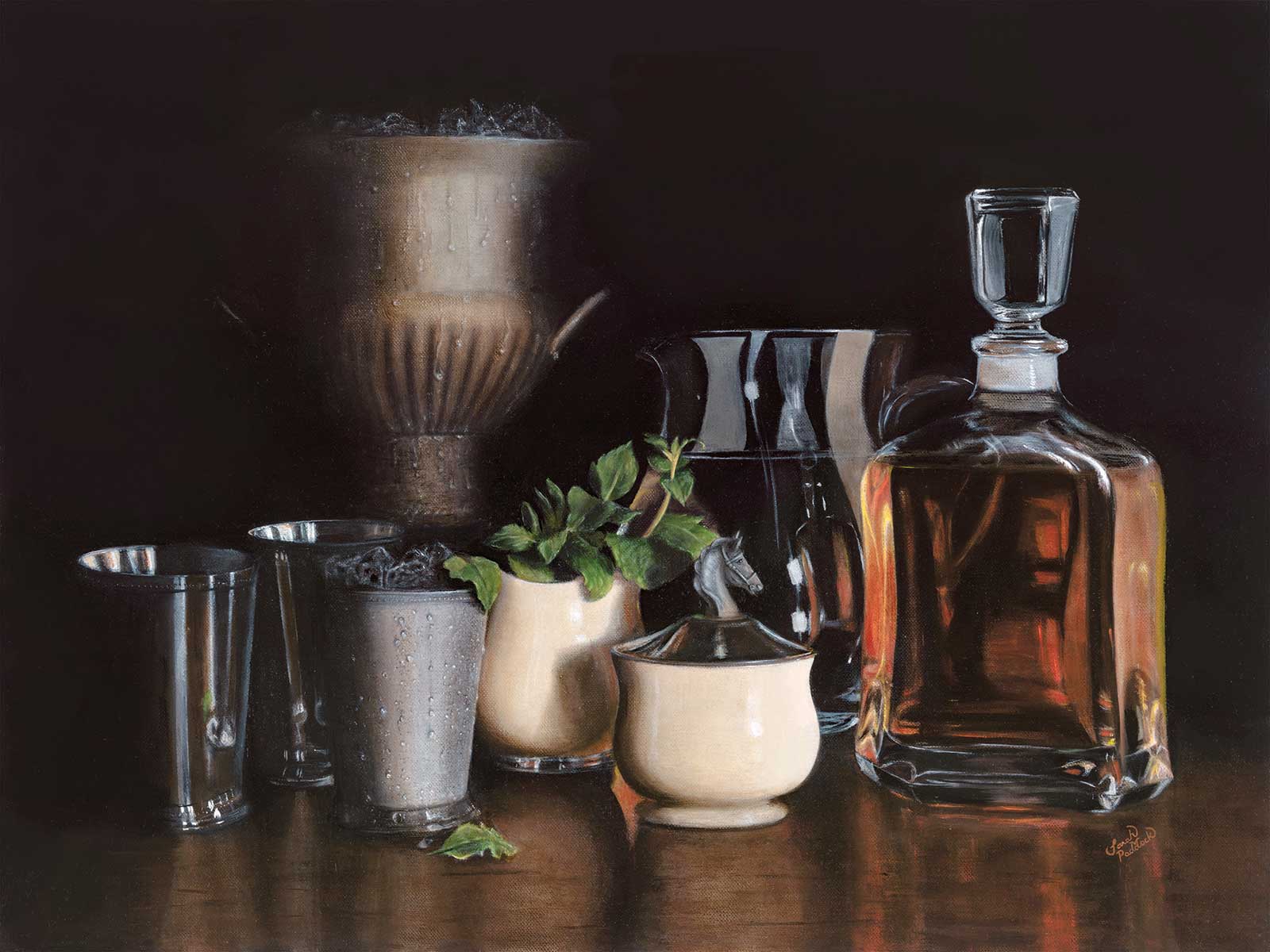 Sarah M Paddock, Mint Julep, oil on linen, 18 x 24”
Sangita Phadke, represented by Canyon Road Contemporary Art, is a self-taught artist from Colts Neck, New Jersey. She graduated with a degree in finance, but soon realized that her true calling was to tell stories through art. In her pastel paintings, her subjects sit in the dark, illuminated by a strong spotlight, as if they are on stage. She adds curiosities: a scratch in the surface of a fruit or an unexpected color in a strand of fabric, that can only be seen at close distances. While her subjects are tightly rendered, they exude breathtaking life. 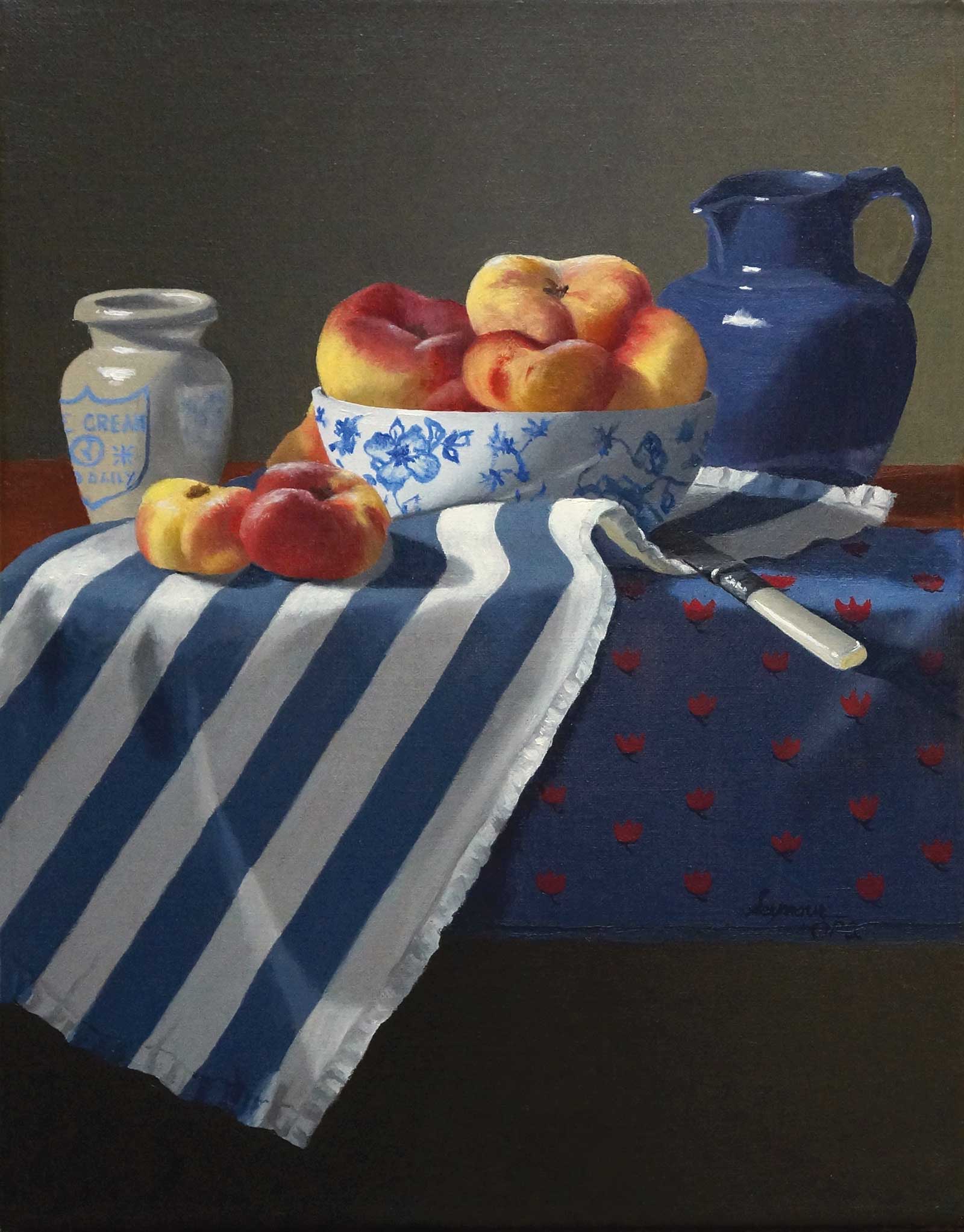 Claudia Seymour, Peaches and Creamers, oil, 14 x 11”
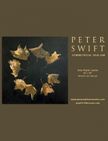
Peter Swift’s work combines two distinct elements: classical realistic still-life painting and symmetrical design. He has coined the phrase “symmetrical realism” to describe this type of work. Most of Swift’s work features circles, because he believes the human brain has a deep psychological connection to circles. “The circle is a fundamental symbol in many of the world’s religions because it represents harmony, unity, tranquility, completion and wholeness,” he says. Swift’s biggest influences have been Louise Nevelson, Martin Puryear and Andy Goldsworthy. Following in the footsteps of these iconic artists, Swift’s goal is to use everyday objects to create laconic, resonant symmetries. 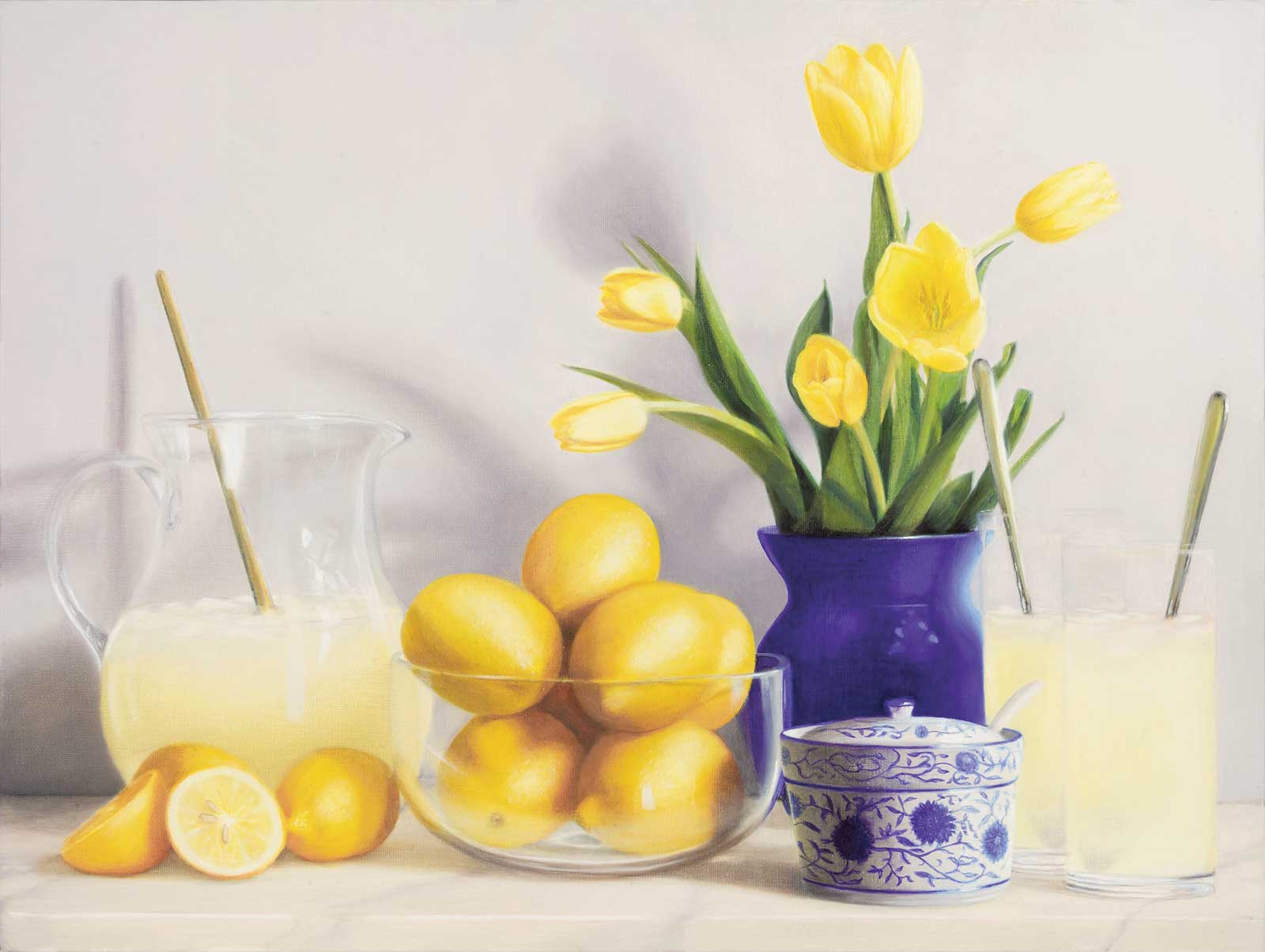 Sarah M Paddock, Fresh Lemonade, oil on linen, 18 x 24”
What is Swift’s advice to collectors who are interested in still-life art? Focus on still-life artists who offer both superb craftsmanship and also some form of unique design.
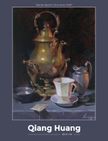
The real subject artist Qiang Huang paints is the light distribution across space. “The various objects in a painting are actually the carriers of the light,” he explains. “I arrange these objects such that they manipulate the light to present certain artistic ideas. I also like to use contrasts to elaborate my ideas. Art is a language. It is a way of communication. I want to see my concepts and ideas understandable so they can be shared and enjoyed by most people. That is why I picked up representational realism. The objects in my paintings are commonly experienced by almost everybody, so they can serve as a good foundation of the communication between me and the viewers.”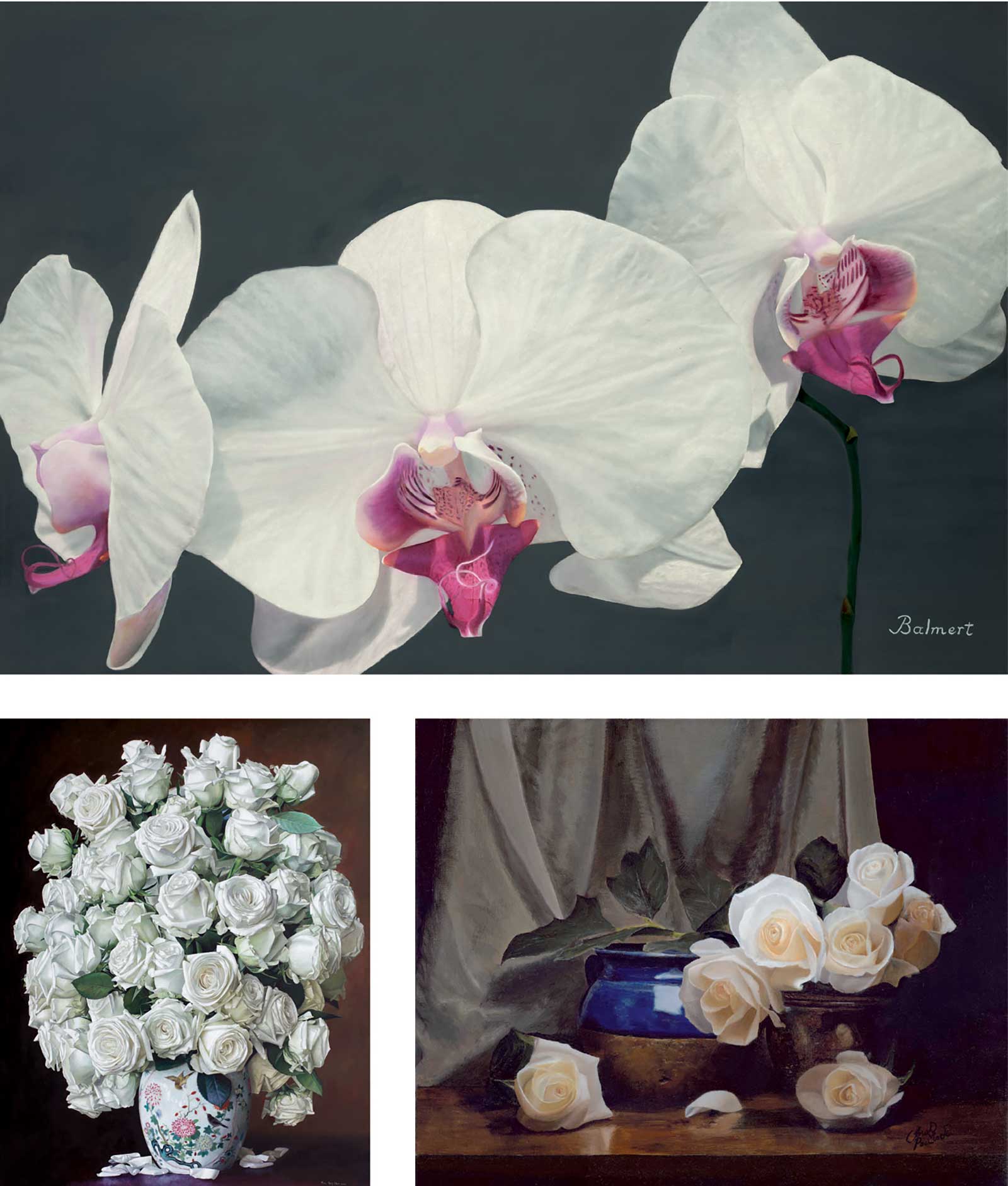 Top: Nancy J. Balmert, Three Oriental Orchids, oil, 24 x 36” Bottom: Yin Yong Chun, White Roses, oil, 60 x 48”; Sarah M Paddock, My Roses in Austin, oil on linen, 16 x 20”
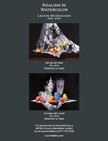
Laurin McCracken is a realist watercolorist whose work is largely influenced by the Dutch and Flemish still life painters of the 16th and 17th centuries. “My goal is to record the world around me with a high level of detail,” he says. “This is not a painting style that is typically associated with the medium of watercolor. Look closely at one of my paintings and you will not only see the objects in the paintings, but you will also see reflections of other objects within the very objects I paint.”
He continues, “Not every painter can see things uniquely, but it is imperative that a painter see things differently and with a certain clarity that the average individual might not see. That is the value we bring to our craft. It is the combination of those abilities and a fundamental mastery of the craft that makes us artists.
When collecting the genre, he suggests that “collectors purchase paintings that touch their hearts. The value of a painting is how you relate to it over time. If it has value for you, the chances are that it will have value later in the art market. Look for quality in the technique that produced the art as well as the subject.”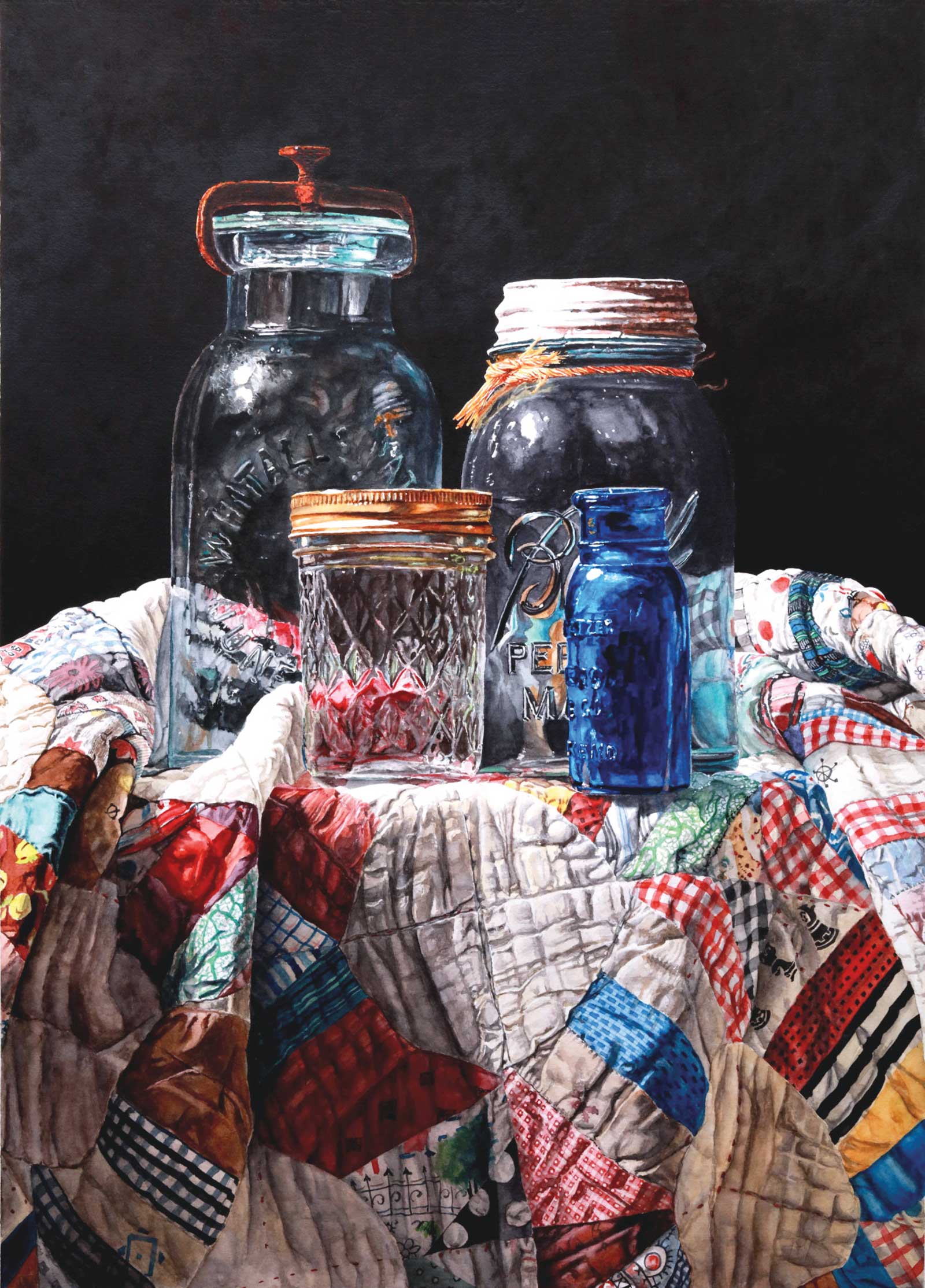 Laurin McCracken, Jars on Quilt, watercolor on Fabriano Paper, 28 x 20”
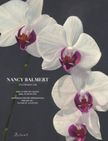
Nancy J. Balmert’s philosophy is to paint what she likes, and to create paintings that she wants to see hanging in her own home. “That puts orchids on my list of favorite flowers to paint,” she shares. “Orchids are delicate and elegant and they create a sense of warmth and freshness in the room. That’s why I have them sitting on the table in our breakfast room. Currently I have three white oriental orchids on display, including Crystal and Oriental Orchid, in Chelsea, New York City, at the Amsterdam Whitney Gallery. The gallery’s curator, Ruthie Tucker, calls me her “Queen of Flowers.”
Balmert has received numerous awards for her still life work and has exhibited throughout London, Paris and Italy, and is currently represented at the Amsterdam Whitney and the Prellop Fine Art Gallery in Salado, Texas.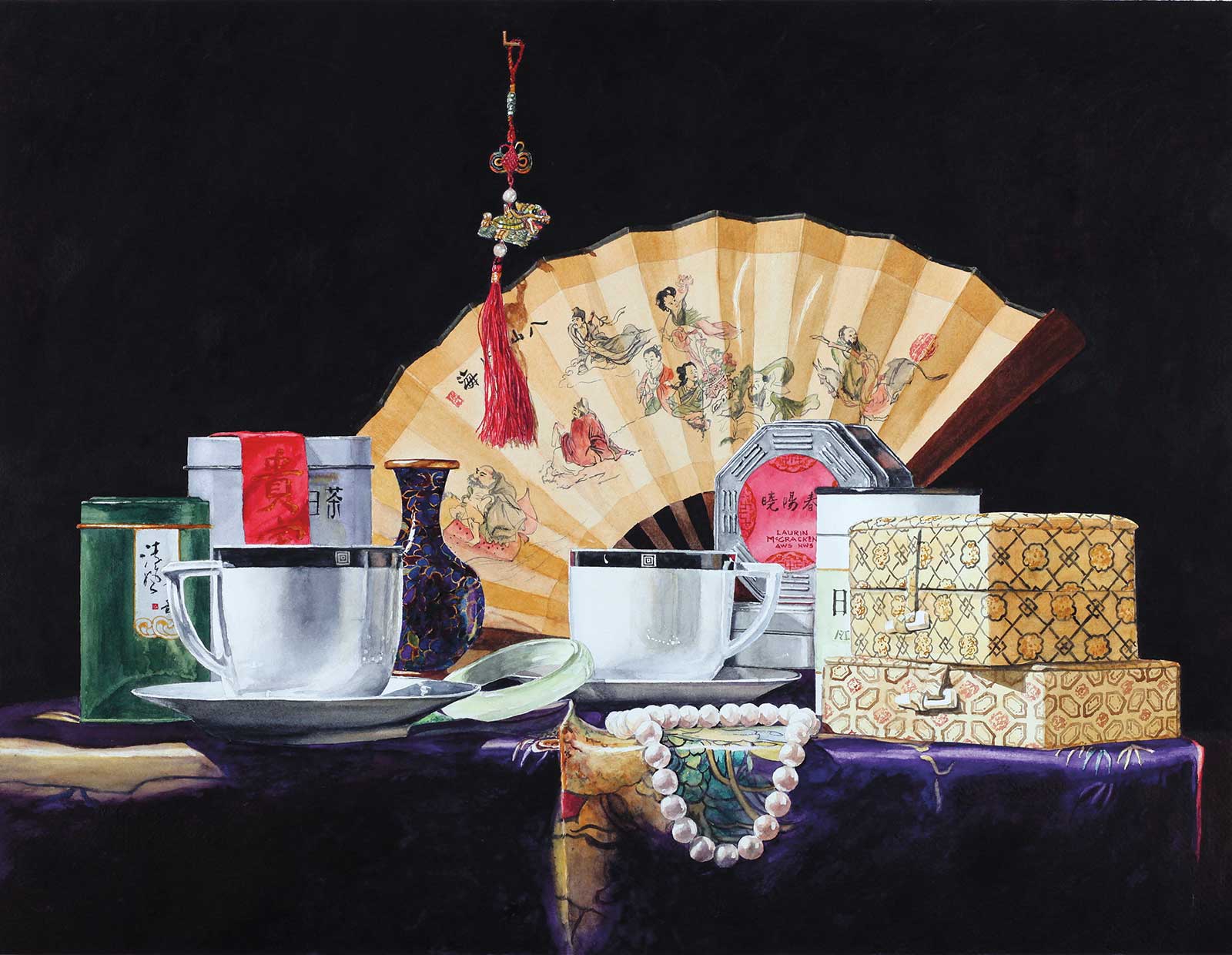 Laurin McCracken, Still Life with Tea, watercolor on Fabriano Paper, 20 x 26”
The detail in Sarah M. Paddock’s work reflects her level of study, both of her art and that of her subjects—portraits of objects as individuals distinct from other things. The way she depicts each item, its relationship and interaction with its surroundings, the reflections of light and color, all inform the viewer that deserved time has been spent considering seemingly small moments. “These items, bits and baubles, are the artifacts of our living,” she says. “They are being really seen and appreciated and, in many cases, adored. The stories that they tell are of our moments. They reflect back to us what we value. Sometimes it’s the value inherent in the objects, but more often it is the value of an experience, of the people we share our lives with. They imply lessons and memories we want to hold on to and pass down.”
Her advice for collectors is to “look for work that uses light well in creating surprising moments within the painting. The way the light passes through and around each object in the painting gives both the artist and the viewer an opportunity to participate in the feeling of living in the moment of the painting.”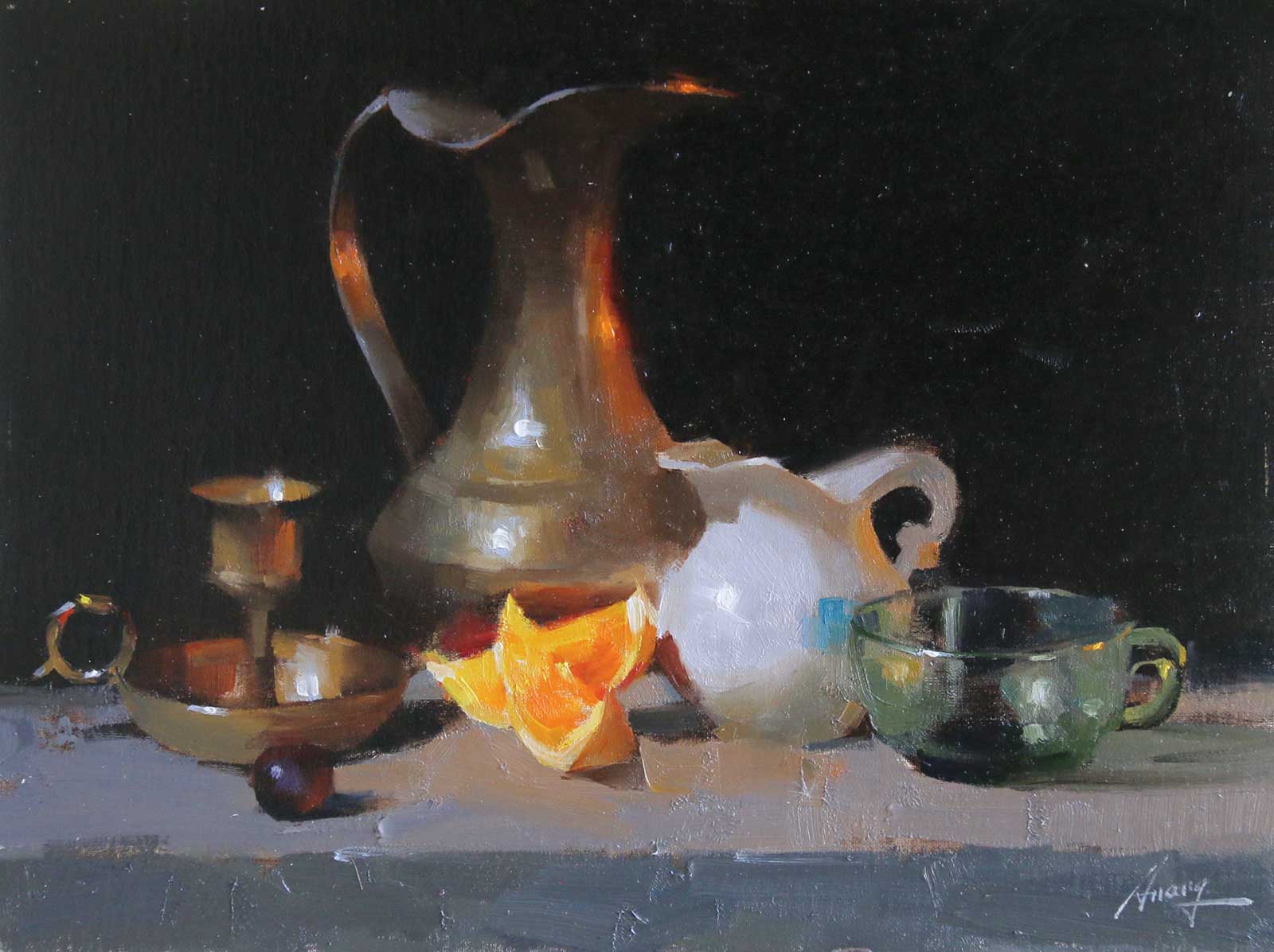 Qiang Huang, Glass Porcelain and Metal, oil on board, 12 x 16”
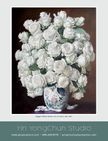
Yin Yong Chun has been living in Staten Island, New York, for 20 years, but was born in the Liaoning Province, Northern China, where he also got his education. He first exhibited his work in the U.S. in 1999. “I create artworks slowly,” he says. “I can paint about 10 works per year only. I have a principle for paintings, to not only to paint each work to the extreme, but also to ensure the market value, and be responsible for every collector who owns my works.” Using classical Western techniques with Asian compositional influences, Chun can express moving thoughts through static objects that have inherently eternal, aesthetic emotions.
We see Chun’s expertise and his eye for excellence in works like White Roses, pictured within this section, depicting a large bouquet of white roses painted in exquisite detail and placed in an intricately decorated vase. —
Featured Artists & Galleries
Anne Neilson Fine Art
721 Governor Morrison Street, Ste. 180
Charlotte, NC 28211, (704) 496-9181
www.anneneilsonfineart.com
Canyon Road Contemporary Art
622 Canyon Road, Santa Fe, NM 87501
(505) 983-0433
info@canyoncontemporary.com
www.canyoncontemporary.com
CK Contemporary
246 Powell Street, San Francisco, CA 94102, (415) 397-0114
www.ckcontemporary.com
Claudia Seymour
Wilton, CT
claudiaseymour@aol.com
www.claudiaseymour.com
Laurin McCracken
Fort Worth, TX, (817) 773-2163
laurinmc@aol.com
www.lauringallery.com
Nancy J. Balmert
www.nancybalmert.com
Peter Swift
pswift73@icloud.com
www.peterswiftartstudio.com
Sager Reeves Gallery
1025 E. Walnut Street, Columbia, MO 65201, (573) 442-4831
www.sagerreevesgallery.com
Sarah M. Paddock
(585) 301-1698
www.sarahmpaddock.com
Tayloe Piggott Gallery
62 S. Glenwood Street, Jackson, WY 83001, (307) 733-0555
www.tayloepiggottgallery.com
Qiang Huang
www.qhart.com
Yin Yong Chun
www.yinyongchun.com
Powered by Froala Editor