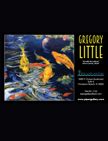
Whether painting narrative scenes of Native American life, women working on steam engines, portraits or toys, Lee Alban researches his subjects to attain accuracy of detail. He produced a series of about 30 paintings on the history of oil exploration called Black Gold. He discovered a treasure trove of photographic references among the Farm Services Administration files at the Library of Congress. 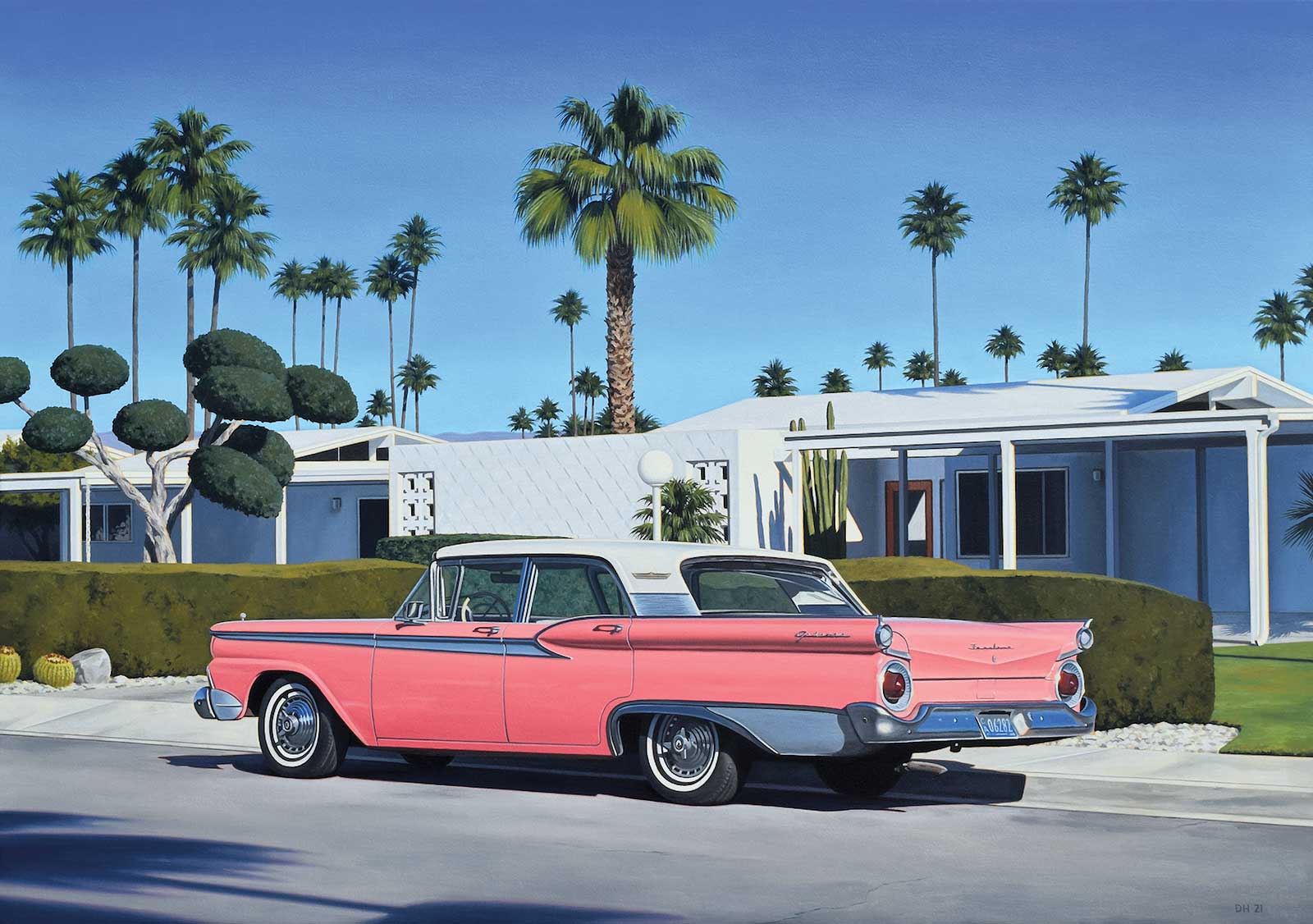 George Billis Gallery, Canyon View Galaxie, oil on canvas, 24 x 34", by Danny Heller.
One of the photographers was Russell Lee who, with other photographers like Dorothea Lange and Walker Evans, documented the plight of and brought attention to farmers and others stricken by drought and the Great Depression.
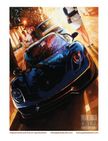
In Oil Worker’s Homes, Oklahoma City 1939, Alban has brought one scene to life in color and added several oil derricks to strengthen the composition. The colors are muted, washed out in the intense heat and softened by the dusty oil fields. Alban notes, “During times when the workers were unemployed, the women often took in laundry to earn a little money.” A sign on one house reads “Laundry Done Here”. The crooked sign on the neighboring sign, visible in another of Lee’s photos, reads “Washings and Iornings (sic) Done Here”.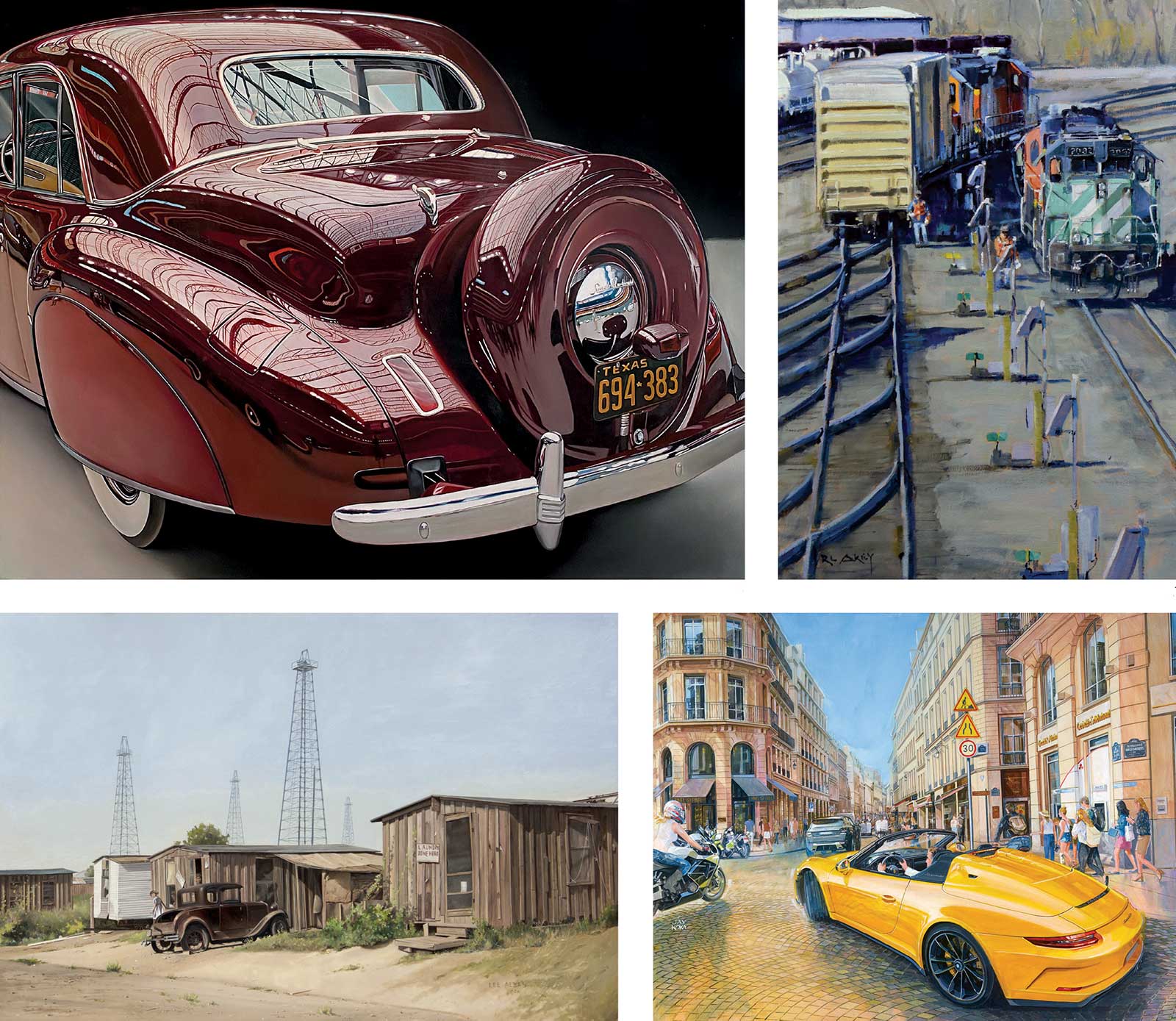 Clockwise from top left: Anthony Brunelli Fine Arts, Lincoln, oil on aluminum panel, 29 x 36", by Cheryl Kelley; Rob Akey, Rhythm of the Railyard, oil, 23 x 16"; Jay Koka, Boulevard Malesherbes, acrylic on canvas, 34 x 44"; Southwest Gallery, Oil Worker’s Homes, Oklahoma City 1939, oil on panel, 24 x 36", by Lee Alban
The Ford Model A next to the house had seen better days since it was last produced in 1931. It may have been able to bring the family from their farm to the city, but by 1939 it had lost the lid to its rumble seat and had a flat tire. The family probably couldn’t afford to fix either and the car sat idle, a reminder of better days. 1939 was a good year for Edsel Ford, son of Henry Ford and president of the company. He and his wife had gone to Europe the previous year and, impressed by the elegant designs of European automobiles, set his designers to produce a custom continental-looking car. The prototype was shipped to him in Florida and impressed enough people that the Lincoln Continental went into production the following year. Frank Lloyd Wright pronounced it the “most beautiful car in the world” and purchased two.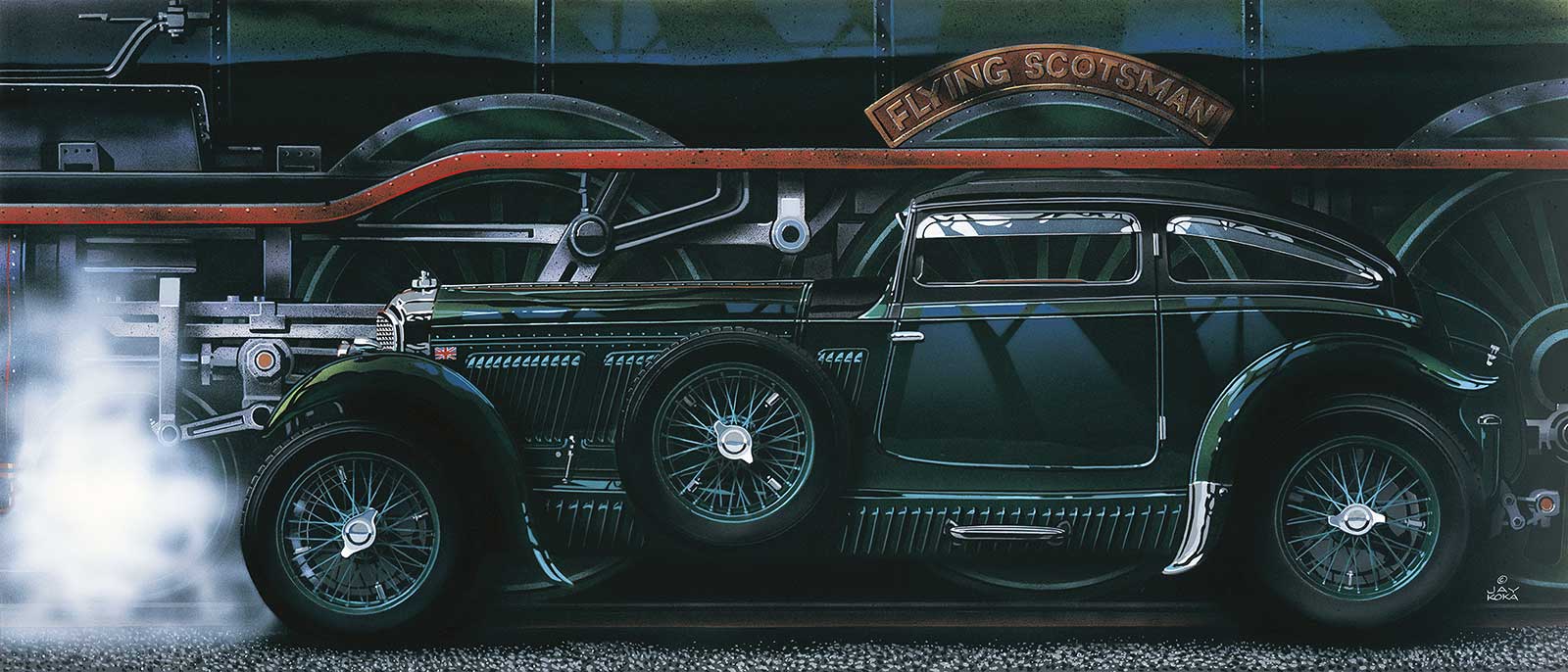 Jay Koka, Trains, gouache on board, 19 x 35
Cheryl Kelley chose the car for her dramatic painting Lincoln. The burgundy red finish of the sensuous curves of its fenders and trunk with its mounted spare tire reflects its surroundings. She has always been fascinated by cars and played in the dirt with Hot Wheels when she was a girl. “When I was 10 or 11,” she recalls, “I really wanted to have a Corvette or a Trans Am. I was fascinated by the curvy feminine aspects of the cars, but I also loved the sound!”
In the 20 years after Edsel Ford introduced the Continental, the world changed in many ways. There had been another world war and a recovery. Ford sold its 50 millionth car, a Galaxie. The company had reached beyond the continent toward the stars with its rocket-shaped designs.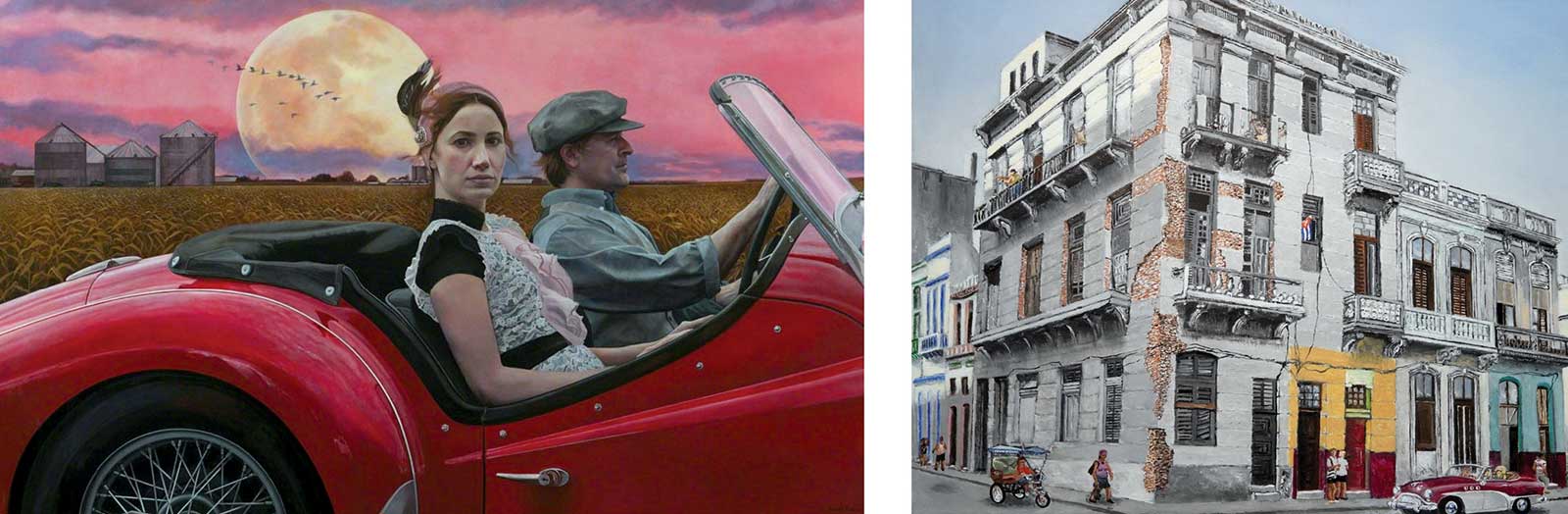 RJD Gallery, Chasing the Moon, limited edition hand signed print, 24 x 40", 34¾ x 51" (framed), by Andrea Kowch; Macey Lipman, 1953 RED AND WHITE BUICK CONVERTIBLE, oil on canvas, 24 x 28"
Danny Heller grew up in Southern California. He now paints the midcentury modern architecture of the area complemented by its car culture. In Canyon View Galaxie he paints a midcentury house with its textured and molded concrete blocks as the backdrop for a Galaxie painted in Ford’s salmon-pink “Geranium.”
Heller says, “By painting these historically and personally significant scenes, I hope to reconnect with a presumably bygone time period whose remnants actually still exist. Because especially in an age that values constant change, when the past is demolished to make way for the brand new, we are at risk of losing our collective history. Without which, we leave ourselves devoid of a foundation to build our future on.”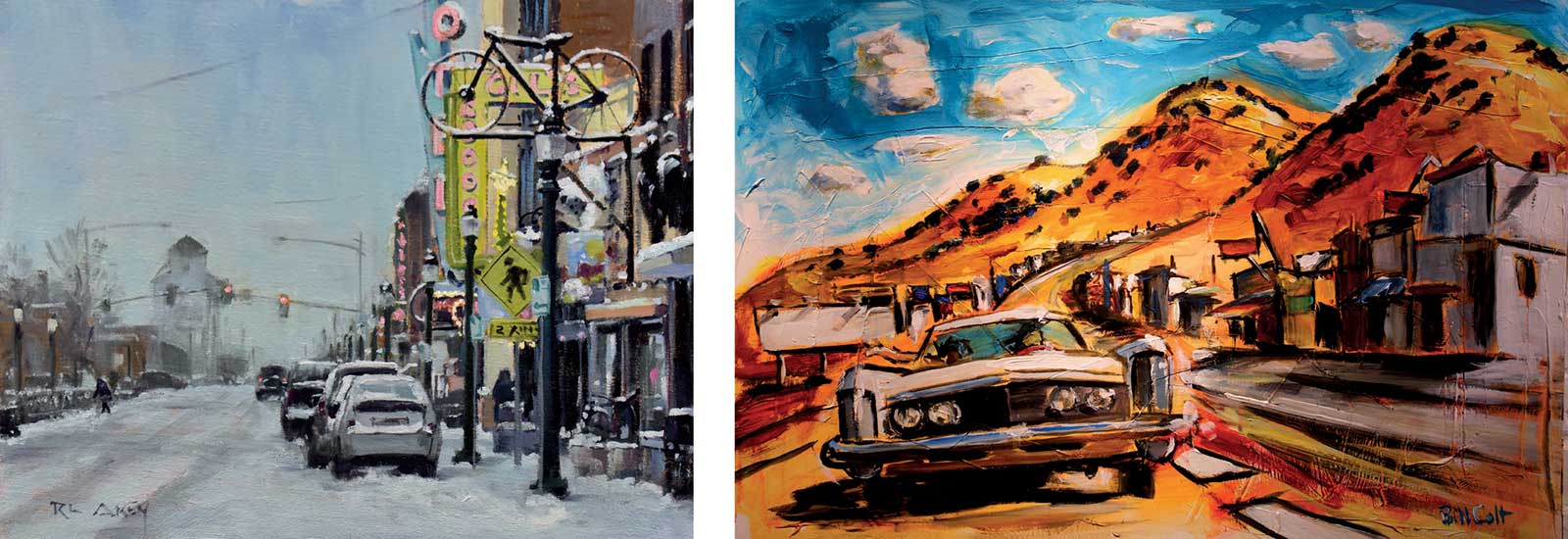 Rob Akey, Coltrane Afternoon, oil, 11 x 14"; Bill Colt, Blowing Through Town, acrylic on canvas, 24 x 36
The history of automobiles, planes and trains and their place as a cornerstone of American—and global—culture can be seen everywhere you turn. In this special section, collectors can explore these modes of transportation that have shaped the way we move through life.
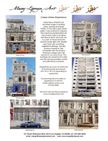
In the early years of his studio some 30 years ago, artist Jay Koka says his attraction to cars was evident. The standard “picture” of a car, painting or otherwise, was hyper-focused on the vehicle itself, tightly and precisely rendered with little or no background. “Today, while the car is usually present in my work, it is not central to the theme but rather occupies a space in an environment that can often overshadow the car itself,” he explains. “Many foreign and exotic locations feature prominently in my work as do people as they interact with the car.” Koka’s objective is to portray the context surrounding the car, rather than simply the car itself. 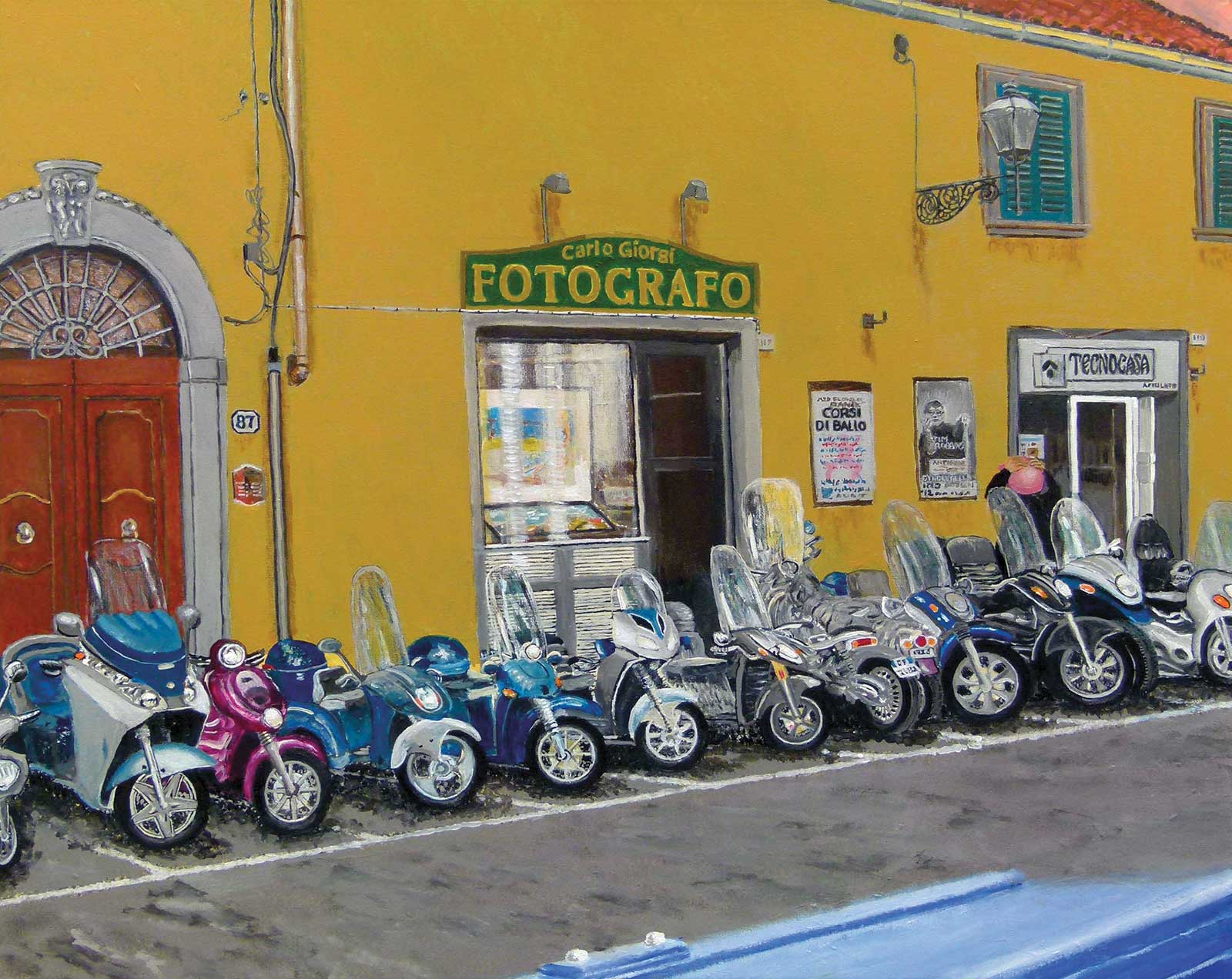 Macey Lipman, FOTOGRAFO SHOP W/ A DOZEN SCOOTERS, FLORENCE, ITALY, acrylic on canvas, 24 x 30"
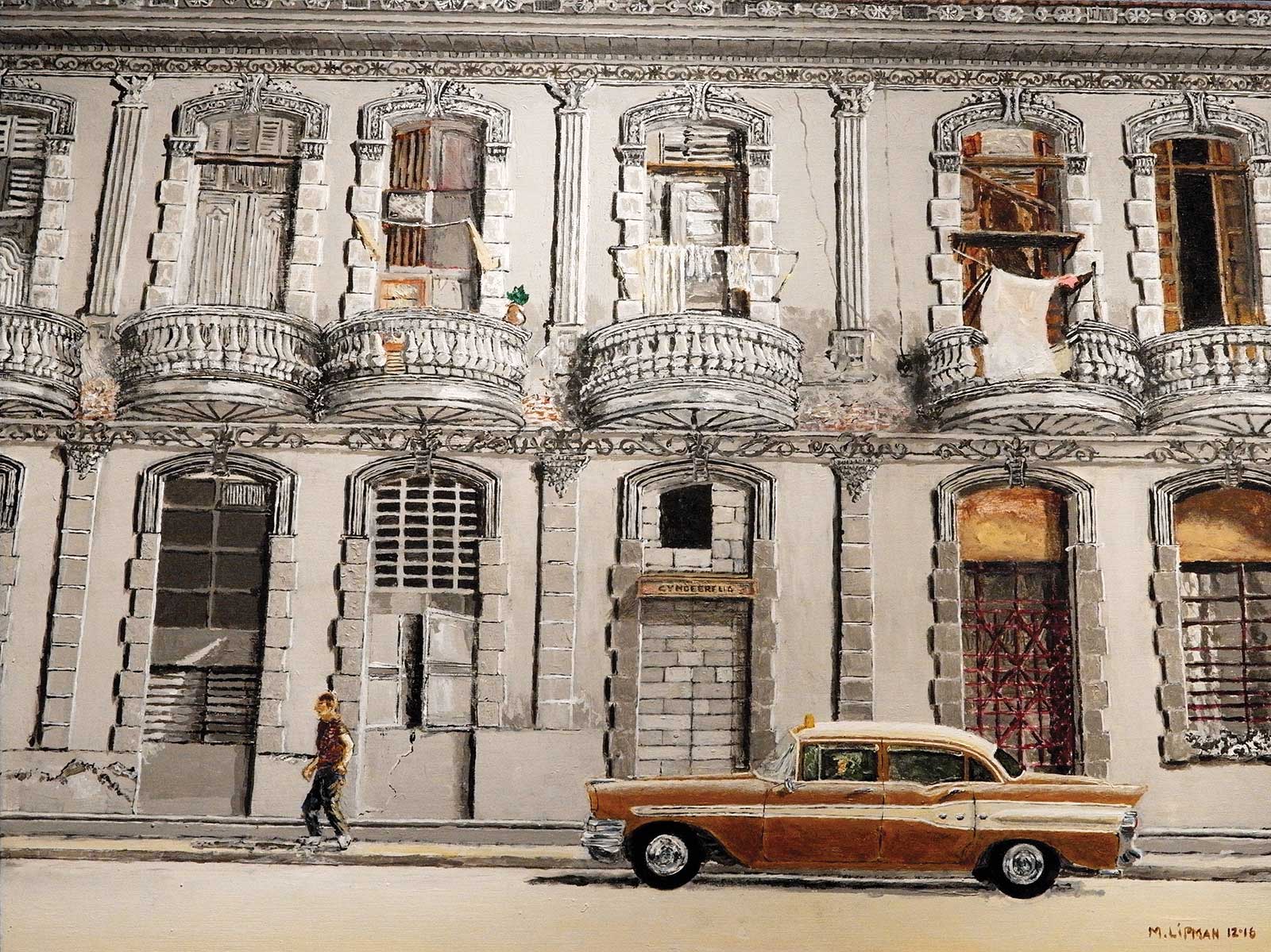 Macey Lipman, 1963 BROWN AND IVORY PONTIAC, acrylic on birchwood reinforced panel, 18 x 24"
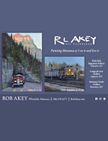
Oil painter Rob Akey, of Whitefish, Montana, says, “I am compelled to paint what I know and love in a way that conveys its honesty and significance. My collectors are drawn to the work’s veracity and timeless depiction of the here and now. They know that art that touches the heart and transcends mere decoration is a meaningful investment.” His impressionist scenes take viewers through busy cities, side streets and railyards, where the automobile or the freight train exist as a natural element of the scene.
Macey Lipman has been involved in the art world in multiple capacities for decades—even the music industry in his early career. In his paintings, the subject matter ranges from architecture and cityscapes to landscapes and more, and his travels working as an artist have taken him to such exotic locales as Cuba and Italy. Lipman discusses one of his automobile paintings, 1953 RED AND WHITE BUICK CONVERTIBLE, depicting the titular vehicle located in Havana, Cuba: “Parked in front of a badly neglected building where Havanans live for free, my objective in this series was to illustrate the very poor condition of the state-owned buildings to the beautiful privately owned American classic cars. Also note the pedal-powered vehicle on the left, which is one of the most common forms of transportation in Havana.”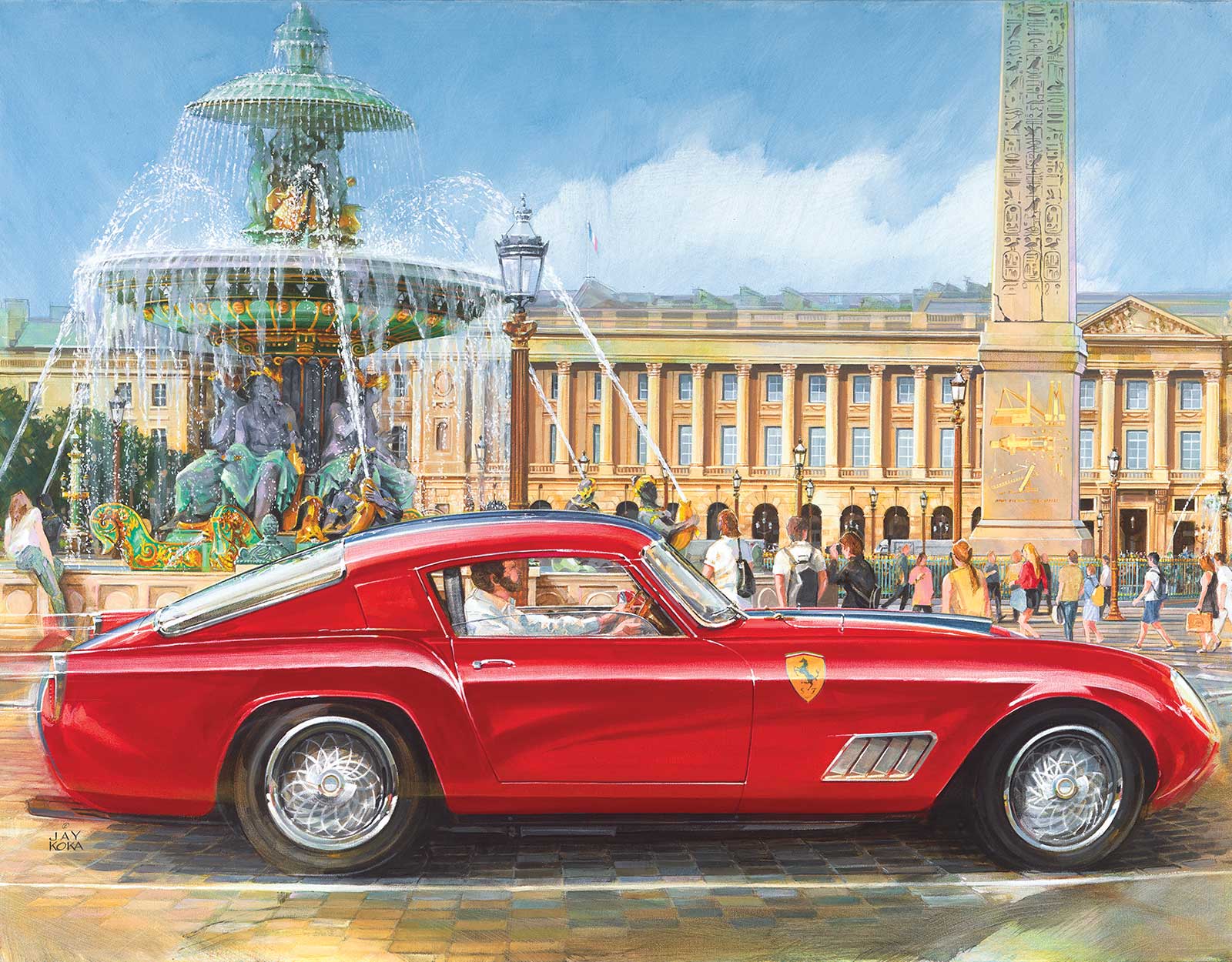 Jay Koka, Place de la Concorde, acrylic on canvas, 34 x 44"
Richard Demato, owner and principal of RJD Gallery in Romeo, Michigan, has been a car enthusiast for years. “America has been fascinated with all forms of transportation, and their obvious freedoms, since they were invented,” he says. “Trains enhanced and supported the early expansion and growth of the U.S., and with airplanes the globe...An automobile offers enhanced personal mobility and an opportunity for many to enjoy a more defined, personal, selective transport and offers mindless relaxation and wonderful scenery.” Several artists represented by RJD Gallery incorporate automotives into their works, including Andrea Kowch and Tor-Arne Moen. 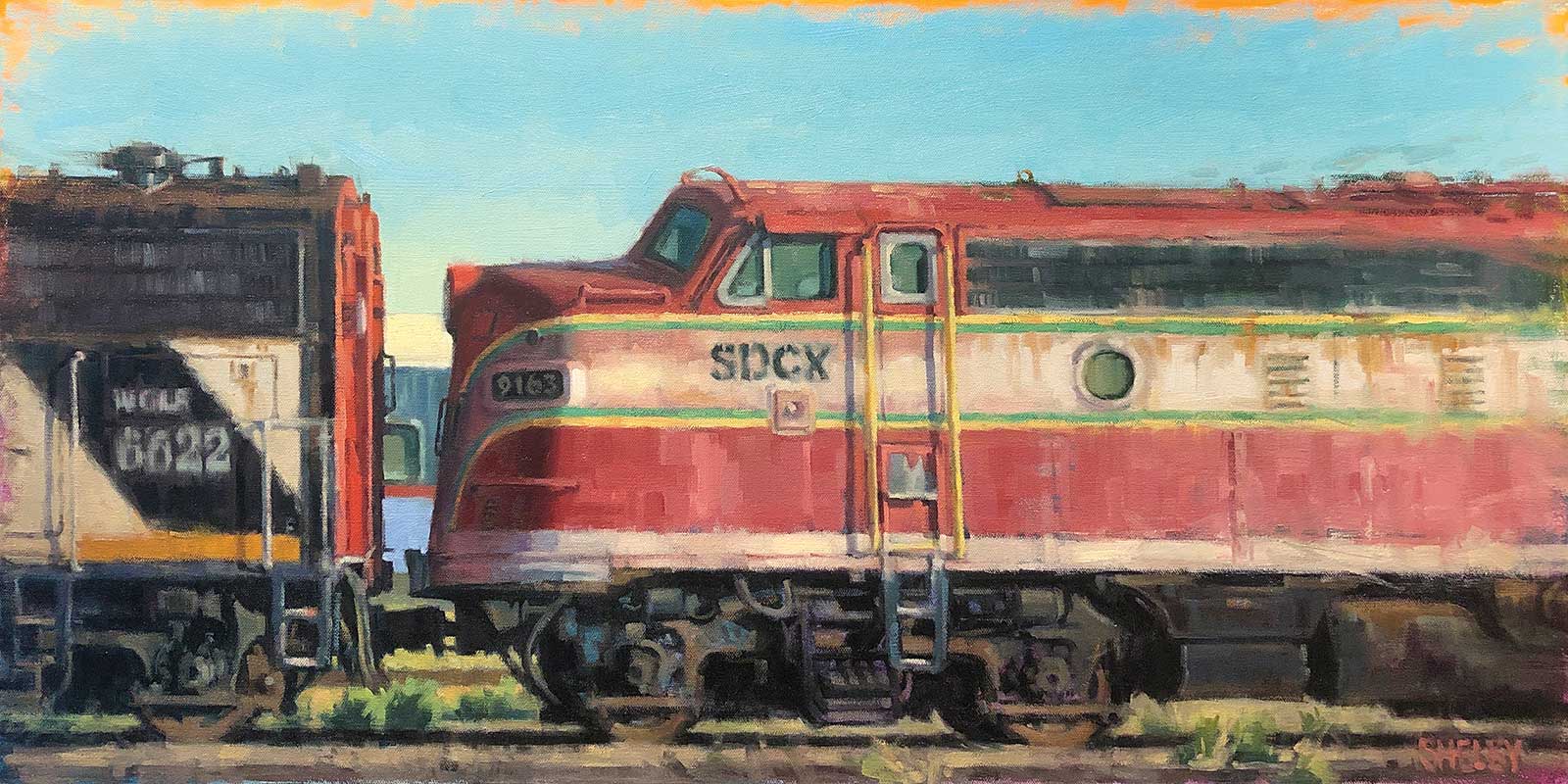 Shelby Keefe, Seventeen Hundred Horsepower, oil on canvas, 18 x 36"
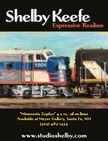
Artist Shelby Keefe, who is represented by Meyer Gallery in Santa Fe, New Mexico, has always had a “‘love affair’ with trains and the old way of moving people and products across America.” She says, “In my travels through old towns, I slam on the brakes when I come upon retired engines and boxcars that are parked and suffering the effects of weather and disuse. My goal is to capture them on canvas and save them from being completely forgotten.”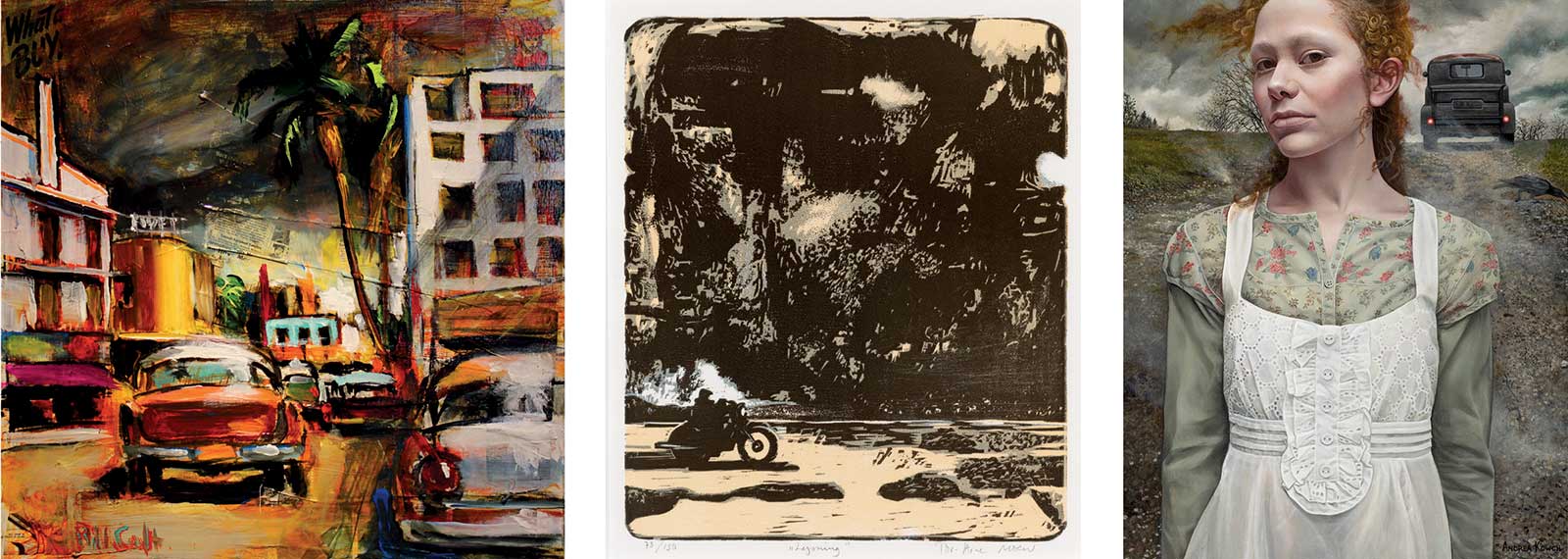 Bill Colt, Miami Morning, mixed media acrylic on canvas, 20 x 20"; RJD Gallery, Clearing, handmade woodcut print, 20½ x 17½", ed. 73 of 150, by Tor-Arne Moen; RJD Gallery, Gust, limited edition print on archival paper, ed. of 10, 18¾ x 14¾", 32 x 28½" (framed), by Andrea Kowch
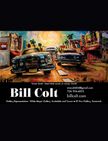
The saturated colors in the paintings of mixed media acrylic artist Bill Colt have “an underlying ‘graffiti’ dimension.” He elaborates, “I use a lot of texture and collage in most of my paintings, [as] it gives the work a graffiti feel, if you will. What inspires me about doing street scenes, aside from the elegant, older classic cars, is the range of color in the signs, billboards and advertisements that make up and give exuberance to the street. To collectors of automobile and street art, my advice is: Life is short, buy what you like.” —
Featured Artists & Galleries
Anthony Brunelli Fine Arts
186 State Street
Binghamton, NY, 13901
(607) 772 0485
www.anthonybrunelli.com
Bill Colt
(704) 996-4095
wwcolt404@gmail.com
www.billcolt.com
George Billis Gallery
2716 La Cienega Boulevard
Los Angeles, CA 90034
(310) 838-3685
www.georgebillis.com
Jay Koka
Jay Koka Studio
Waterloo, ON, Canada
(519) 650-3908
info@jaykokastudio.com
www.jaykokastudio.com
Macey Lipman
101 S. Robertson Boulevard
Los Angeles, CA 90048
(310) 652-6030
macey@maceylipmanart.com
www.maceylipmanart.com
RJD Gallery
227 N. Main Street
Romeo, MI 48065
(586) 281-3613
www.rjdgallery.com
Rob Akey
Whitefish, MT
(406) 270-4177, rob@robakey.com
Shelby Keefe
Milwaukee, WI, (414) 687-6241
shelbykeefe@me.com
www.studioshelby.com
Southwest Gallery
4500 Sigma Road, Dallas, TX 75244
(972) 960-8935, www.swgallery.com
Powered by Froala Editor